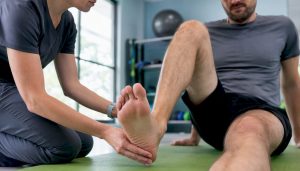

Physical therapy is defined as a clinically supervised treatment that reduces pain and restores movement through targeted exercise, manual therapy, and patient education. For adults managing chronic pain, it represents one of the most effective non-drug approaches available. The role of physical therapy in pain relief extends beyond symptom management. It addresses the underlying causes of pain, including muscle weakness, joint stiffness, and nervous system hypersensitivity, to produce lasting functional improvement. Many patients arrive at Nortexspineandjoint after trying medications or passive treatments for months, only to find that active rehabilitation delivers results those approaches could not.
How does physical therapy reduce pain and improve mobility?
Physical therapy reduces pain through several distinct biological and neurological mechanisms, not simply by strengthening weak muscles. Understanding these mechanisms helps you set realistic expectations and commit to the process with confidence.
Muscle strengthening and joint support
Weak muscles force joints to absorb mechanical stress they were not designed to handle. Targeted strengthening exercises redistribute that load, reducing the pressure on cartilage, discs, and tendons. Patients with chronic knee pain, for example, often show significant quad weakness. Rebuilding that strength directly reduces the compressive force on the knee joint during everyday movement.

Flexibility and spasm reduction
Tight muscles pull joints out of alignment and create persistent spasm cycles. Stretching and mobility work interrupt that cycle by lengthening shortened tissue and improving blood flow to the area. Improved flexibility also eases the stiffness that many chronic pain patients describe as their most limiting symptom first thing in the morning.
Nervous system retraining
Chronic pain often involves central sensitization, a state in which the nervous system becomes overprotective and amplifies pain signals even when tissue damage is absent or minimal. Physical therapy addresses this directly through graded movement exposure, which gradually teaches the brain that movement is safe. This is one of the most clinically significant effects of physical therapy and one that medications cannot replicate.
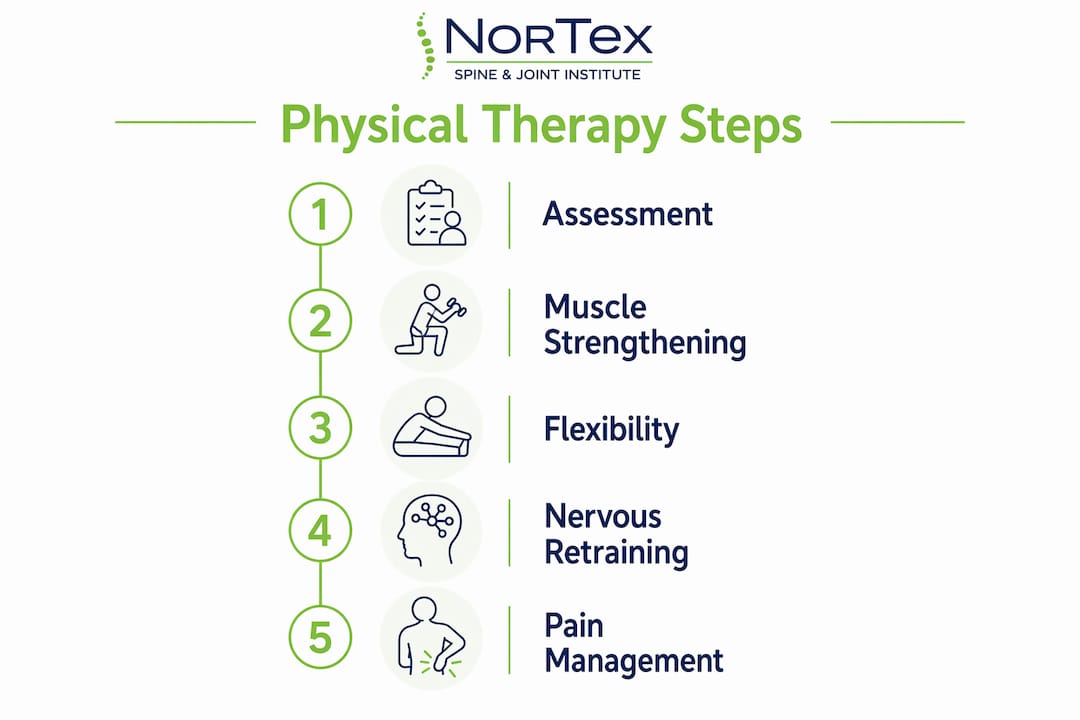
Manual therapy and endorphin release
Hands-on techniques such as joint mobilization and soft tissue work trigger the release of endorphins and modulate pain pathways at the spinal cord level. These effects are measurable and immediate, which is why many patients report reduced pain intensity after their first few sessions even before strength gains appear.
- Muscle strengthening reduces mechanical joint stress
- Flexibility work breaks spasm and stiffness cycles
- Graded movement retrains an overprotective nervous system
- Manual therapy modulates pain pathways and releases endorphins
- Patient education reduces fear-avoidance behavior that prolongs pain
Pro Tip: If movement causes discomfort during therapy, tell your therapist immediately. Pain during therapy does not always mean damage is occurring. Your therapist can adjust the intensity to keep you progressing safely.
What are the evidence-based benefits of physical therapy for chronic pain?
Clinical research consistently confirms that physical therapy produces meaningful, measurable outcomes for chronic pain conditions. The evidence is strongest for back pain, knee pain, arthritis, and post-neurological conditions.
Structured physical therapy programs reduce pain in chronic knee and back pain patients by an average of 68% within 12 weeks. That figure represents a clinically significant change, not just a marginal improvement in comfort scores. For context, chronic back pain affects approximately 8% of adults globally, making this one of the most consequential findings in musculoskeletal medicine.
The relationship between physical therapy and opioid use is equally compelling. Direct access to physical therapy correlates with reduced opioid prescribing for musculoskeletal pain. States with direct access policies show measurably lower opioid usage rates. By 2024, only 2 states in the U.S. remained without direct access laws, reflecting a national shift toward physical therapy as a frontline intervention.
“Exercise therapy is the gold standard for chronic musculoskeletal pain recovery, while passive treatments mostly offer short-term relief.” — Clinical consensus on physical therapy vs. medication
For neurological conditions, the timing of physical therapy matters enormously. Early multimodal rehabilitation after stroke initiated within 72 hours leads to 92.3% of patients achieving minor stroke severity after 4 weeks. That outcome reflects how responsive the nervous system is to early, structured movement.
| Condition | Key outcome | Timeframe |
|---|---|---|
| Chronic back and knee pain | 68% average pain reduction | 12 weeks |
| Stroke rehabilitation | 92.3% reach minor severity classification | 4 weeks |
| Chronic low back pain | Improved spinal stability and reduced sensitization | 16 weeks |
| Post-surgical recovery | Better function vs. delayed therapy | Early passive motion phase |
Exercise therapy is also superior to passive modalities such as massage or heat therapy for long-term outcomes. Passive treatments provide limited short-term relief but do not address the underlying functional deficits that sustain chronic pain. Active participation in a structured program is what produces durable results.
How does physical therapy integrate with other treatments for pain?
Physical therapy functions best as a frontline intervention, not a last resort after medications have failed. That distinction matters because starting earlier consistently produces better outcomes.
Medications manage acute flare-ups effectively, but they are not substitutes for active exercise therapy. Passive modalities provide limited short-term relief and do not restore the spinal stability or neuromuscular control that chronic pain patients need for lasting function. Physical therapy fills that gap by targeting the structural and neurological causes of pain directly.
Post-surgical integration is another area where physical therapy’s role is well established. Early physical therapy after rotator cuff repair improves tendon healing, reduces stiffness, and enhances neuromuscular control compared to delayed therapy. Starting movement early, even passively, produces better short-term function without compromising structural integrity. The same principle applies to spine surgery, knee replacement, and hip procedures.
Several factors can limit access to physical therapy despite its proven effectiveness:
- Insurance coverage gaps and prior authorization requirements delay the start of care
- High copays lead some patients to discontinue treatment before completing their program
- Geographic barriers reduce access in rural areas
- Insurance and coverage barriers persist even as opioid reduction policies push providers toward physical therapy referrals
Patient education is a core component of physical therapy that medications cannot provide. Learning how to move safely, modify activities, and recognize the difference between productive discomfort and harmful pain reduces the risk of flare-ups and builds long-term self-management skills. That education component is what separates physical therapy from passive care.
What steps help patients get the most from physical therapy?
Adherence is the single most influential factor in physical therapy outcomes. Higher adherence to prescribed programs correlates directly with better mobility and independence over 3–6 months of follow-up. The quality of your therapist matters, but your consistency matters more.
-
Start as early as possible. Early initiation after injury or surgery consistently produces faster recovery and better functional outcomes. Waiting weeks before beginning therapy allows compensatory movement patterns to develop, which are harder to correct later.
-
Complete your home exercise program daily. In-clinic sessions are typically two to three times per week. The exercises your therapist prescribes for home fill the gaps between visits. Skipping them slows progress significantly.
-
Communicate openly with your therapist. Report changes in pain location, intensity, or character at every session. Your therapist adjusts your program based on that feedback. Staying quiet about worsening symptoms leads to programs that are no longer appropriate for your current state.
-
Address posture and ergonomics at work and home. Many chronic pain conditions are sustained by repetitive poor positioning. Your therapist can recommend specific modifications to your workstation, sleeping position, or daily movement habits that reduce cumulative stress on painful structures.
-
Set realistic recovery timelines. Optimal exercise therapy for chronic low back pain involves sessions of 15–20 minutes, 6–7 times per week, over 16 weeks. Expecting full resolution in two or three weeks leads to premature discontinuation and relapse.
Pro Tip: Keep a simple pain and activity log between sessions. Note what movements feel better or worse each day. This gives your therapist concrete data to refine your program and helps you recognize progress that is easy to overlook when you are focused on residual discomfort.
For patients who want additional guidance on managing pain step by step, combining home strategies with clinic-based care produces the most consistent long-term results.
Key Takeaways
Physical therapy reduces chronic pain most effectively when it begins early, targets the nervous system alongside muscles and joints, and is supported by consistent patient adherence over weeks to months.
| Point | Details |
|---|---|
| Mechanisms go beyond strengthening | Physical therapy retrains the nervous system, releases endorphins, and reduces mechanical joint stress simultaneously. |
| Evidence supports significant pain reduction | Structured programs reduce chronic knee and back pain by an average of 68% within 12 weeks. |
| Early initiation improves outcomes | Starting therapy within 72 hours of stroke leads to 92.3% of patients reaching minor severity after 4 weeks. |
| Adherence determines results | Higher adherence to home exercise programs correlates directly with better mobility over 3–6 months. |
| Physical therapy reduces opioid reliance | Direct access to physical therapy is associated with measurably lower opioid prescribing for musculoskeletal pain. |
What I have learned from treating chronic pain patients
Physical therapy is frequently misunderstood, and that misunderstanding causes real harm. Many patients come in expecting physical therapy to eliminate pain quickly, the way a medication might. When discomfort persists through the first few weeks of treatment, they assume the therapy is not working and stop. That decision almost always sets them back.
What clinical experience teaches you is that the goal of physical therapy is not to make pain disappear. The goal is to restore function. Pain reduction follows as a consequence of improved movement, better muscle support, and a nervous system that has been gradually retrained to stop treating normal activity as a threat. That process takes time, and it requires the patient to be an active participant, not a passive recipient.
The patients who achieve the best outcomes share one trait: they ask questions and stay engaged. They tell their therapist when something feels wrong. They do their home exercises even on days when motivation is low. They understand that pacing and graded exposure are not signs of weakness but are the actual mechanism of recovery for an overprotective nervous system.
One thing I would encourage every chronic pain patient to understand is that pain during therapy does not equal damage. That distinction, once internalized, removes the fear that keeps many people from progressing. Physical therapy works. But it works best when you understand what it is actually doing and commit to the process with that understanding in mind.
— Felix
Advanced pain management at Nortexspineandjoint
Physical therapy is a powerful foundation for chronic pain management, and for many patients it is the primary treatment they need. For others, structural damage or persistent inflammation requires additional support. Nortexspineandjoint offers regenerative medicine treatments including platelet-rich plasma (PRP) therapy and stem cell therapy, which work alongside physical rehabilitation to address tissue-level damage that exercise alone cannot fully resolve. PRP therapy for chronic back pain delivers concentrated growth factors directly to injured tissue, supporting the healing process that physical therapy then builds upon. If you are managing chronic joint, spine, or musculoskeletal pain and want to understand which combination of treatments fits your situation, Nortexspineandjoint’s team can help you build a plan grounded in your specific diagnosis and goals.
FAQ
What is the primary role of physical therapy in pain relief?
Physical therapy reduces pain by strengthening muscles, improving flexibility, and retraining the nervous system to respond normally to movement. It targets the structural and neurological causes of pain rather than masking symptoms.
How long does physical therapy take to reduce chronic pain?
Clinical research shows that structured programs reduce chronic knee and back pain by an average of 68% within 12 weeks. Optimal outcomes for chronic low back pain typically require 16 weeks of consistent participation.
Can physical therapy replace pain medications?
Physical therapy is not a direct substitute for medications in acute flare-ups, but it produces superior long-term outcomes for chronic musculoskeletal pain. Direct access to physical therapy is associated with significantly lower opioid prescribing rates across U.S. states.
Is it normal to feel pain during physical therapy sessions?
Pain during therapy often reflects central sensitization rather than new tissue damage. Your therapist uses graded exposure and pacing to keep movement within a safe and productive range while gradually expanding your tolerance.
How does physical therapy support recovery after surgery?
Early physical therapy after procedures such as rotator cuff repair improves tendon healing, reduces stiffness, and enhances neuromuscular control compared to delayed rehabilitation. Starting movement early, even passively, produces better short-term function without compromising surgical repair.
Recommended
- How Does Physical Therapy Improve Mobility and Function? – Nortex | Pain Management | Allen, Garland, McKinney & Plano Texas
- Can Physical Therapy Help Arthritis Pain? The Truth About Movement & Relief – Nortex | Pain Management | Allen, Garland, McKinney & Plano Texas
- The Role of Physical Therapy in Back Pain: A Specialist’s View – Nortex | Pain Management | Allen, Garland, McKinney & Plano Texas
- Can Physical Therapy Help Back Pain? Evidence-Based Relief Options Explained – Nortex | Pain Management | Allen, Garland, McKinney & Plano Texas