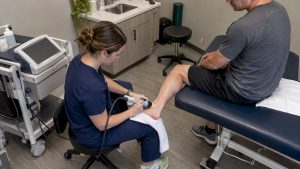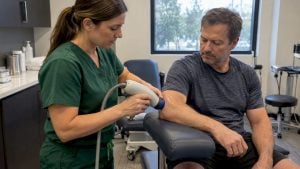

Early pain treatment is defined as prompt, structured intervention within the first days or weeks of a pain episode, before the nervous system begins to reorganize around that pain signal. The clinical term for this approach is early analgesia or early pain intervention, and the evidence behind it is clear: waiting to address pain does not allow the body to heal on its own. Unmanaged pain triggers stress responses, impairs tissue recovery, and increases the risk of developing chronic pain conditions that are significantly harder to treat. Understanding why treat pain early matters is the first step toward protecting your long-term function and quality of life.
Why treat pain early: the case for acting fast
The most important reason to treat pain early is that pain itself changes the nervous system. When pain signals fire repeatedly without adequate management, a process called central sensitization occurs. The spinal cord and brain begin to amplify those signals, lowering the threshold for what the nervous system perceives as painful. What started as an acute injury can become a self-sustaining chronic pain condition, even after the original tissue damage has healed.
Untreated acute pain causes measurable stress responses throughout the body, including elevated cortisol, increased heart rate, and impaired immune function. These are not just discomforts. They are physiological changes that slow healing and reduce your body’s ability to recover. The same research notes that inadequate early analgesia also impairs a patient’s cooperation during care and worsens their memory of the experience, creating a cycle of avoidance and delayed treatment.

Early intervention interrupts this cycle before it becomes entrenched. Addressing pain promptly keeps inflammation controlled, supports circulation to injured tissue, and preserves normal movement patterns. The longer pain goes unmanaged, the more the body adapts to dysfunction, and the harder it becomes to reverse those adaptations.
What happens when pain goes untreated?
The physiological consequences of untreated pain extend well beyond the original injury site. Nerve sensitization is the most clinically significant risk. When pain signals remain uncontrolled, the nervous system does not simply wait. It rewires. Neurons in the spinal cord become hyperexcitable, and the brain begins to process even light touch or normal movement as threatening. This is why patients with long-standing back pain often report that simple activities like sitting or walking feel unbearable, even when imaging shows no new structural damage.
A clinical study of 123 patients found that those with severe baseline pain scores of 5 or higher had significantly poorer outcomes from multidisciplinary pain treatment over six months compared to those with lower initial pain levels. That finding is worth sitting with. Even high-quality, multispecialty care produces worse results when pain has been allowed to escalate before treatment begins. The implication is direct: the severity of pain at the time you seek care predicts how well you will respond.
The psychological impact compounds the physical one. Chronic unmanaged pain disrupts sleep, lowers mood, reduces productivity, and limits mobility. Patients who live with uncontrolled pain for months often develop anxiety and depression as secondary conditions, not because of a separate psychological problem, but because the nervous system under sustained pain stress cannot regulate mood effectively. These effects are reversible with early treatment. They become much harder to address once they are established.
Pro Tip: If you have been experiencing pain for more than two weeks that has not improved with rest, that is a clinical signal worth evaluating. Two weeks is not a long time to wait, but it is long enough for early sensitization patterns to begin.
| Warning sign | What it may indicate |
|---|---|
| Pain that wakes you at night | Possible nerve involvement or inflammatory process |
| Pain spreading beyond the original site | Early central sensitization |
| Pain that worsens with light activity | Altered pain processing in the nervous system |
| Mood changes alongside physical pain | Systemic stress response from unmanaged pain |
How early treatment improves healing and prevents complications
Early pain management after injury improves recovery through several direct mechanisms. Controlling inflammation in the first days after injury limits tissue damage and reduces the chemical environment that drives nerve sensitization. Improved circulation from early movement and therapy delivers oxygen and nutrients to healing tissue. Preserving normal movement patterns prevents the compensatory postures and muscle guarding that lead to secondary injuries.
The benefits of early intervention include:
- Reduced inflammation: Prompt treatment limits the inflammatory cascade that, if prolonged, damages surrounding tissue and sensitizes local nerve endings.
- Preserved joint mobility: Early movement therapy prevents the stiffness and adhesion formation that follow prolonged immobilization.
- Lower risk of nerve damage: Controlling pain signals early reduces the likelihood of peripheral and central sensitization becoming permanent.
- Decreased need for surgery: Patients who receive early conservative care are less likely to require invasive procedures later. Delaying care consistently leads to slower recovery and a higher rate of long-term complications.
- Reduced medication dependence: Early intervention with physical therapy and regenerative approaches reduces reliance on long-term analgesic use.
- Better emotional outcomes: Patients who feel their pain is being addressed early report lower anxiety and better engagement with their recovery.
The importance of managing pain early also extends to quality of life in ways that are easy to underestimate. Pain that is controlled early allows you to sleep, move, work, and maintain relationships without the constant cognitive load of unmanaged discomfort. That functional preservation is itself therapeutic. Patients who stay active during recovery, within appropriate limits, heal faster and report better long-term outcomes than those who rest completely.
What are the most effective early intervention approaches?
The most effective approach to early pain management is multimodal. That means combining more than one type of treatment rather than relying on a single method. Medication alone is rarely sufficient for persistent or chronic pain. NHS and Veterans Affairs clinical guidance both recommend integrating movement therapies and psychological strategies alongside pharmacological treatment for lasting results.
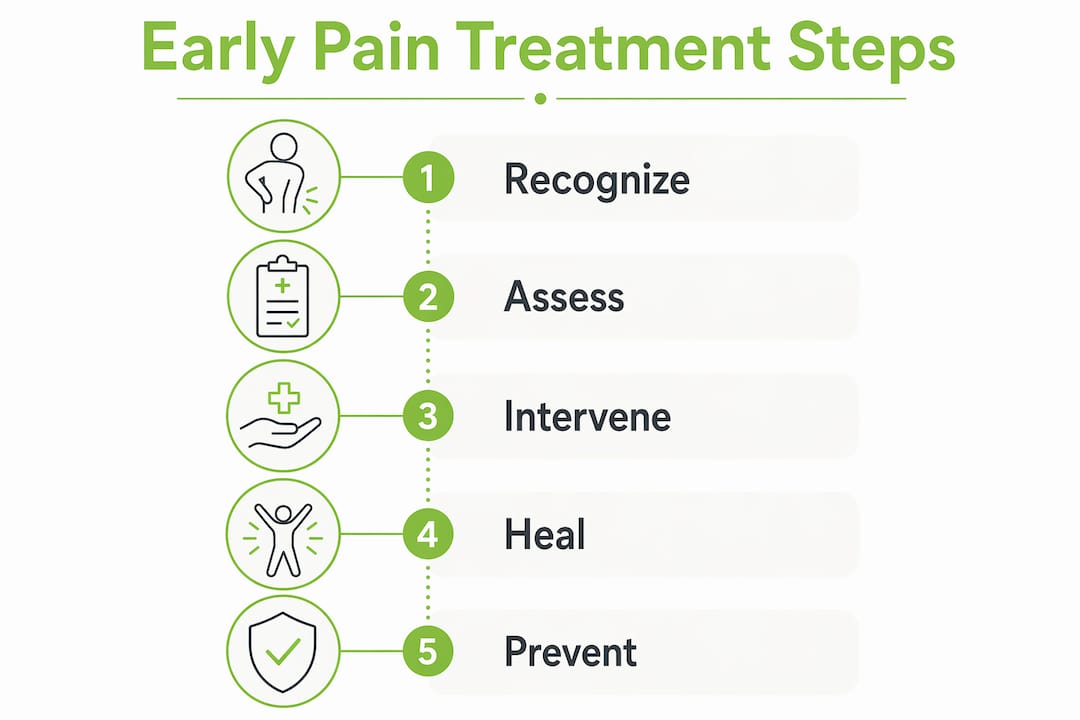
A practical early intervention plan typically follows this sequence:
- Accurate assessment first. A thorough clinical evaluation identifies the source and character of pain, distinguishing nociceptive pain (from tissue damage) from neuropathic pain (from nerve involvement). Treatment that targets the wrong mechanism will not work.
- Analgesic management. Standard analgesics, including NSAIDs and acetaminophen, reduce inflammation and provide short-term relief. They are most effective as a bridge to active therapies, not as a standalone solution.
- Movement-based therapy. Physical therapy and structured movement improve mobility, reduce pain severity, and rebuild patient confidence in their body’s capacity to function. Early mobilization is one of the most evidence-supported interventions in pain care.
- Psychological support. Cognitive-behavioral therapy (CBT) and Pain Reprocessing Therapy (PRT) address how the brain interprets pain signals. PRT specifically reframes chronic pain as a false alarm from an overprotective nervous system, helping patients reinterpret those signals and reduce suffering without masking the underlying issue.
- Regenerative options when indicated. For joint, spine, and musculoskeletal conditions, platelet-rich plasma (PRP) therapy and stem cell treatments address the structural source of pain by promoting tissue repair. These are most effective when introduced before degeneration becomes advanced.
Pro Tip: Ask your clinician to explain which type of pain you have before agreeing to a treatment plan. Nociceptive and neuropathic pain respond to different interventions. A plan that does not distinguish between them is unlikely to produce lasting results.
When should you seek professional evaluation?
The right time to seek professional evaluation is earlier than most patients expect. Many people wait weeks or months, hoping pain will resolve on its own. Some pain does resolve. But persistent pain that lasts beyond two to three weeks, or pain that is worsening rather than improving, warrants a clinical assessment.
Watch for these specific signs that indicate professional evaluation is needed:
- Pain that has not improved after two weeks of rest and basic self-care
- Pain that radiates into the arms, legs, or other areas away from the original site
- Numbness, tingling, or weakness accompanying the pain
- Pain that disrupts sleep consistently
- Pain that limits your ability to perform normal daily activities
- Any sudden, severe pain without a clear cause
Early assessment provides two concrete advantages. First, it identifies the source of pain accurately, which directs treatment toward the right mechanism. Second, it establishes a baseline that allows your clinician to track progress and adjust the plan as needed. Patients who are evaluated early tend to have more realistic expectations about recovery timelines, which itself improves adherence to treatment.
Recovery from musculoskeletal pain, even with early intervention, takes time. A realistic timeline for meaningful improvement with conservative care is typically four to twelve weeks. Regenerative therapies like PRP may require eight to twelve weeks before full benefit is apparent. Setting those expectations at the start of care prevents the frustration that leads patients to abandon effective treatment too soon.
Key takeaways
Treating pain early is the single most effective way to prevent acute pain from becoming a chronic, treatment-resistant condition.
| Point | Details |
|---|---|
| Early treatment prevents sensitization | Prompt care stops the nervous system from rewiring around pain signals. |
| Severe pain predicts worse outcomes | Patients with high baseline pain scores respond less well even to quality multidisciplinary care. |
| Multimodal care outperforms medication alone | Combining movement therapy, CBT or PRT, and analgesics produces better long-term results. |
| Two to three weeks is the evaluation threshold | Pain that has not improved within this window warrants professional clinical assessment. |
| Regenerative therapies work best early | PRP and stem cell options are most effective before structural degeneration becomes advanced. |
What I have learned treating patients who waited too long
I have seen this pattern more times than I can count. A patient comes in after six months of pain they managed with over-the-counter medications and rest. They assumed it would resolve. By the time they arrive, what started as a manageable joint or spine issue has developed into a sensitized pain pattern that requires significantly more time and more complex care to address.
The patients who do best are the ones who come in early, not because they are more motivated or more health-conscious, but because they gave us something to work with before the nervous system adapted. Early intervention is not about being cautious or overly reactive to normal discomfort. It is about recognizing that the biology of pain does not wait for you to feel ready.
What I find most clinically interesting is how often patients are surprised that psychological approaches like CBT and Pain Reprocessing Therapy are part of a modern pain management plan. They expect medication or a procedure. But the nervous system is the organ of pain, and retraining it is as legitimate as treating the tissue that triggered the signal. The most durable outcomes I see combine structural treatment with nervous system work, and both are most effective when started early.
My honest recommendation: if you have been in pain for more than two weeks and it is affecting your sleep or daily function, do not wait another month to see if it resolves. The cost of waiting is measured in months of harder recovery, not days of unnecessary treatment.
— Felix
Nortexspineandjoint’s approach to early pain intervention
Nortexspineandjoint, based in North Dallas, specializes in non-surgical pain management for joint, spine, and musculoskeletal conditions. The clinic’s approach is built around treating pain at its source before it escalates into a chronic condition. For patients dealing with persistent joint or spine pain, Nortexspineandjoint offers personalized PRP therapy using platelet-rich plasma to promote tissue repair and reduce inflammation at the structural level. For those with more advanced degeneration, regenerative medicine options including stem cell therapy are available as part of a customized care plan. If you are experiencing persistent pain and want a clear evaluation of your options, Nortexspineandjoint provides evidence-based assessments designed to identify the right intervention at the right time.
FAQ
Why does treating pain early prevent chronic pain?
Early treatment controls inflammation and prevents central sensitization, the process by which the nervous system amplifies pain signals. Once sensitization is established, pain becomes harder to treat even with quality multidisciplinary care.
What is the difference between acute and chronic pain?
Acute pain is a direct response to tissue injury and typically resolves as healing occurs. Chronic pain persists beyond the expected healing period, often because the nervous system has reorganized around the pain signal rather than the original injury.
How does Pain Reprocessing Therapy work for chronic pain?
Pain Reprocessing Therapy reframes chronic pain as a false alarm from an overprotective nervous system. It helps patients reinterpret pain signals as non-threatening, which reduces the brain’s amplification of those signals over time.
When is the right time to see a doctor for pain?
Seek professional evaluation if pain has not improved after two to three weeks, is worsening, radiates to other areas, or is disrupting sleep and daily function. Earlier evaluation consistently leads to better treatment outcomes.
Can early physical therapy replace pain medication?
Physical therapy and movement-based care reduce pain severity and improve function, but they work best as part of a multimodal plan rather than as a direct replacement for all medication. The right combination depends on the type and source of pain.
Recommended
- The Role of Exercise in Pain Relief for Chronic Pain
- Step-by-step pain management for lasting relief
- Treating pain at the root: How evidence-based care delivers lasting relief
- Advanced Treatments for Chronic Back Pain: Insights from Leading Back Doctors – Nortex | Pain Management | Allen, Garland, McKinney & Plano Texas