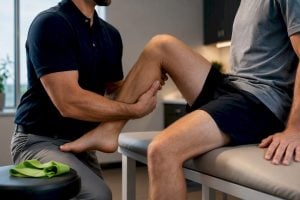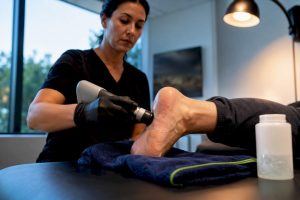

Musculoskeletal wellness is defined as the sustained health and function of your muscles, bones, joints, and connective tissues working together to support pain-free movement. Chronic musculoskeletal conditions account for 70–80% of all chronic pain diagnoses in the United States, including low back pain, neck pain, and hip or knee osteoarthritis. That figure means the majority of people living with chronic pain are dealing with a musculoskeletal condition, not a disease of internal organs. The most effective musculoskeletal wellness guide is not a single treatment but a coordinated approach that addresses physical, psychological, and social factors together. Nortexspineandjoint treats this as the standard, not the exception.
What non-surgical therapies form the foundation of musculoskeletal wellness?
The biopsychosocial model is the recognized clinical framework for managing chronic musculoskeletal pain. It treats pain as the product of biological tissue changes, psychological responses like fear and depression, and social factors like work demands and isolation. Treating only the physical component consistently produces weaker outcomes. Effective care addresses all three.
Current clinical guidelines place non-pharmacological therapies at the front of treatment, not as a last resort. The core components of a non-surgical musculoskeletal wellness program include:
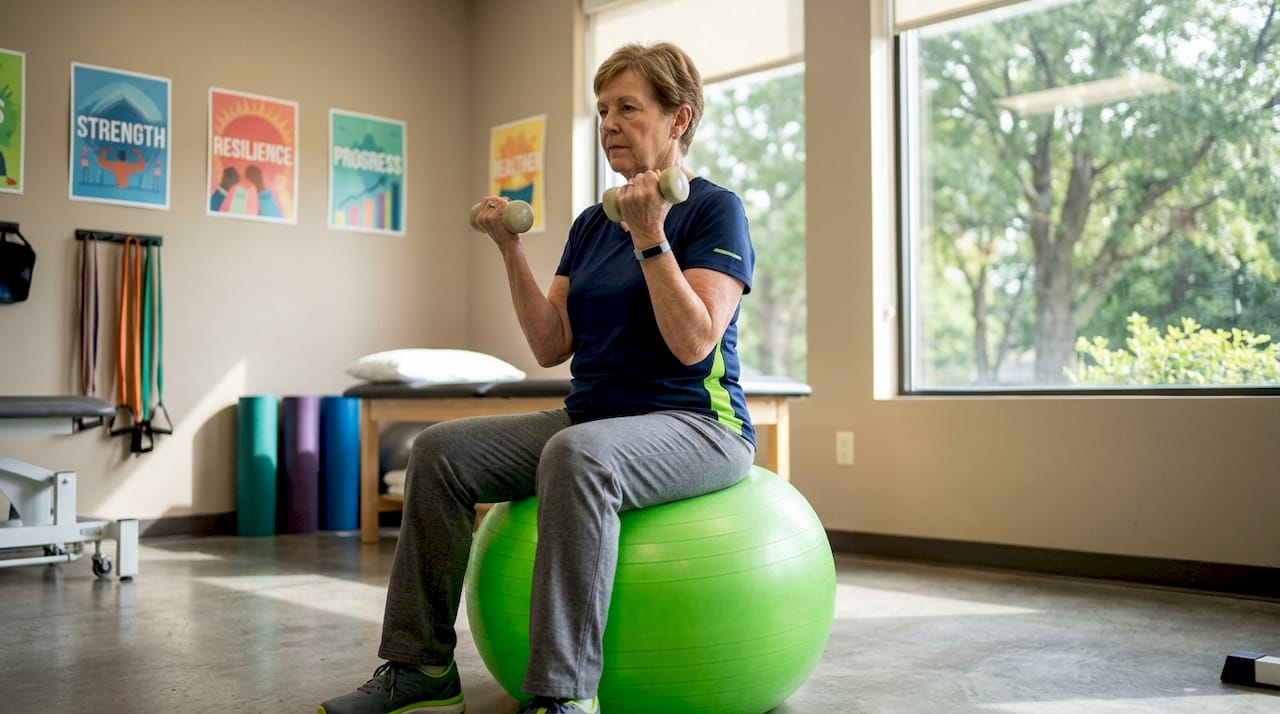
- Therapeutic exercise: Aerobic, aquatic, and resistance training all carry moderate-certainty evidence of benefit for reducing pain and improving function.
- Pain neuroscience education (PNE): Teaching patients how the nervous system generates and amplifies pain signals reduces fear and improves treatment engagement.
- Cognitive behavioral therapy (CBT): CBT addresses the thought patterns that worsen pain perception and avoidance behavior.
- Multidisciplinary rehabilitation: Combining physical therapy, psychology, and medical management in one coordinated program produces better results than any single modality alone.
- Somatic therapies: Manual therapy, heat, and transcutaneous electrical nerve stimulation (TENS) provide short-term symptom relief and are typically covered by insurance when part of a structured program.
Insurance coverage generally supports structured psychotherapy and somatic therapies but excludes most dietary supplements. That distinction matters when you are planning a long-term care budget.
Pro Tip: Ask your provider to document your treatment plan as a structured, multidisciplinary program. This framing often improves insurance approval rates for physical therapy and psychological services.
How does therapeutic exercise improve musculoskeletal function and quality of life?
Exercise is the single most reliable non-surgical tool for improving musculoskeletal function over time. The mechanism goes beyond muscle strengthening. Exercise releases neuromodulatory compounds including endorphins and dopamine, which reduce pain sensitivity and improve emotional resilience. That neurochemical effect is why patients often report better mood and sleep within weeks of starting a consistent program, even before significant strength gains appear.
A well-structured exercise program for chronic musculoskeletal pain addresses several goals in sequence:
- Reduce pain sensitivity. Low-impact aerobic activity such as walking or cycling activates the body’s natural pain-dampening systems. Start with 10–15 minutes daily and build gradually.
- Restore range of motion. Gentle stretching and mobility work address joint stiffness before loading the tissue with resistance. Aquatic therapy is particularly effective here because water reduces joint compression.
- Build functional strength. Resistance training using bodyweight, resistance bands, or light weights rebuilds the muscular support around painful joints. Supervised programs show the best results because form errors can worsen symptoms.
- Rebuild movement confidence. Graded activity, meaning a slow and deliberate increase in physical challenge, breaks the fear-avoidance cycle that keeps many patients sedentary. This is one of the most underappreciated steps in recovery.
- Sustain lifestyle benefits. Regular physical activity improves sleep quality, supports stress regulation, and helps with appetite control. These secondary benefits compound over time and reduce overall pain burden.
“Movement confidence is a therapeutic outcome in itself. When a patient stops bracing against every step and starts trusting their body again, that shift is often more predictive of long-term recovery than any imaging result.”
Supervised, individualized programs consistently outperform generic home exercise sheets. If you are managing lower back pain specifically, targeted exercise selection matters as much as consistency. The goal is progressive loading, not pain avoidance.
Which psychological and integrative therapies enhance musculoskeletal wellness?
Mental health conditions are primary drivers of pain experience, not secondary complications. Untreated anxiety and depression reduce treatment adherence and significantly weaken the effects of physical interventions. Screening for these conditions at the start of care is not optional. It is a clinical necessity.
Psychological therapies that carry consistent evidence for chronic musculoskeletal pain include:
- Cognitive behavioral therapy (CBT): Targets catastrophizing, pain-related fear, and avoidance. Produces modest but consistent improvements in both pain intensity and physical function.
- Mindfulness-based stress reduction (MBSR): Trains attention and reduces the emotional reactivity that amplifies pain signals. Particularly useful for patients with high stress loads.
- Acceptance and commitment therapy (ACT): Shifts the goal from eliminating pain to living fully despite it. This reframe is clinically meaningful for patients with long-standing chronic conditions.
Open communication between patient and provider about beliefs, fears, and any alternative therapies being used is critical. Patients who feel heard are more likely to engage with treatment and report their actual experience accurately.
Integrative therapies occupy a more nuanced position. Acupuncture and yoga provide small to moderate short-term improvements in pain and function. They work best as complements to structured exercise and psychological care, not as standalone treatments. Dietary supplements, despite their popularity, lack strong clinical evidence for musculoskeletal pain and are rarely covered by insurance.
Pro Tip: If you are currently using a supplement or integrative therapy, tell your provider. Some interact with medications or affect inflammation markers in ways that influence your treatment plan.
How can you sustain musculoskeletal wellness over the long term?
Long-term musculoskeletal wellness requires a shift from passive treatment to active self-management. Multimodal, individualized programs produce durable improvements in physical and psychological well-being, but only when patients remain engaged beyond the initial treatment phase. The clinical evidence is clear: outcomes degrade when structured support ends and no maintenance plan exists.
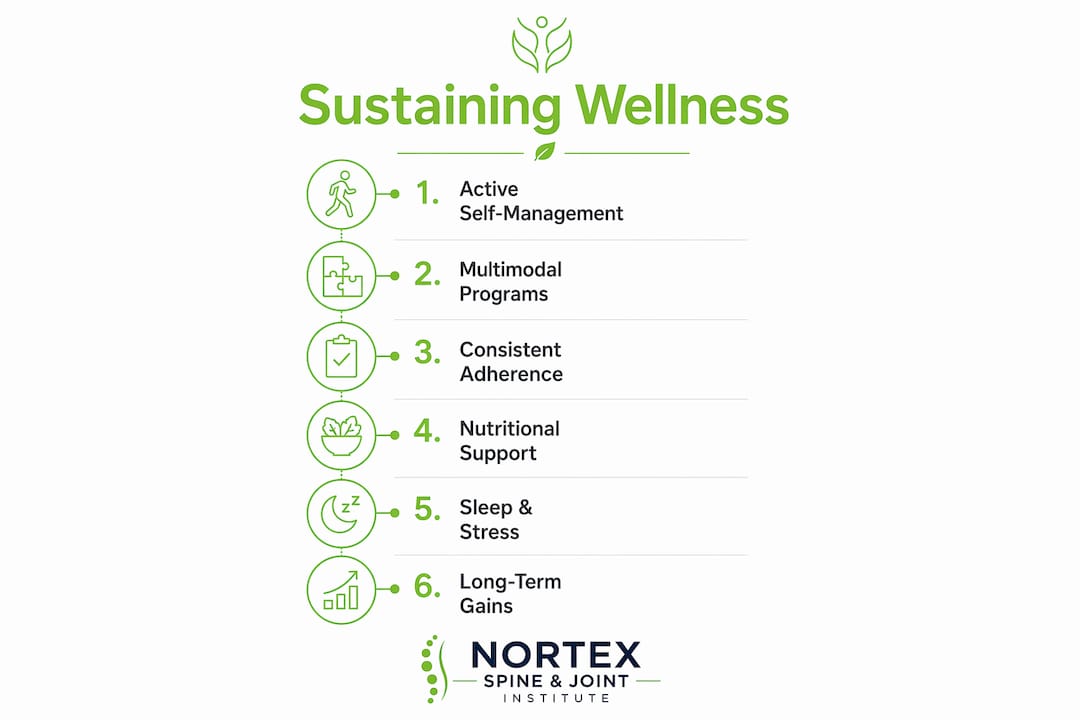
Sustained adherence to self-management strategies beyond the initial intervention is what separates patients who maintain their gains from those who relapse within months. Building that adherence requires practical structure, not willpower alone.
The table below compares short-term and long-term strategies for maintaining musculoskeletal health:
| Strategy | Short-term focus | Long-term focus |
|---|---|---|
| Exercise | Supervised sessions with a physical therapist | Independent home program with periodic check-ins |
| Nutrition | Anti-inflammatory dietary adjustments during flares | Consistent eating patterns that support tissue repair and weight management |
| Sleep hygiene | Addressing acute sleep disruption from pain | Establishing consistent sleep schedules that reduce pain sensitivity |
| Stress management | Acute coping techniques during pain episodes | Regular mindfulness or CBT practice as a daily habit |
| Booster sessions | Scheduled follow-ups after initial program ends | Periodic reassessment every 3–6 months to adjust the plan |
Nutritional support plays a real but often overstated role. An anti-inflammatory diet rich in omega-3 fatty acids, vegetables, and lean protein supports tissue recovery and exercise adaptation. Pairing this with a longevity-focused weight management approach reduces mechanical load on joints, which directly lowers pain over time.
Sleep and stress management amplify every other treatment. Poor sleep increases pain sensitivity through central sensitization mechanisms. Patients who address sleep hygiene alongside exercise and psychological care report faster and more durable improvements than those who focus on physical treatment alone.
Multimodal physiotherapy programs combining pain neuroscience education and therapeutic exercise produce clinically relevant quality-of-life improvements within 6 months, with gains sustained at 12 months or longer when maintenance activities continue. That timeline sets a realistic expectation. Recovery from chronic musculoskeletal pain is measured in months, not weeks.
Key Takeaways
Sustainable musculoskeletal wellness requires a multimodal approach that integrates therapeutic exercise, psychological support, and active self-management beyond the initial treatment period.
| Point | Details |
|---|---|
| Prevalence is high | Musculoskeletal conditions account for 70–80% of chronic pain diagnoses in the U.S. |
| Biopsychosocial model is foundational | Effective care addresses biological, psychological, and social pain drivers together. |
| Exercise is the core tool | Aerobic, aquatic, and resistance training reduce pain and improve function through neurochemical and structural mechanisms. |
| Mental health screening is non-negotiable | Untreated anxiety or depression significantly weakens the effect of physical treatments. |
| Long-term adherence determines outcomes | Gains from structured programs last only when patients maintain self-management beyond clinical care. |
What I’ve learned treating chronic musculoskeletal pain non-surgically
Many patients arrive after trying three or four isolated treatments, a cortisone injection here, a supplement there, and wonder why nothing has held. The honest answer is that isolated treatments rarely work for chronic pain. The tissue may respond briefly, but the underlying drivers, fear of movement, poor sleep, untreated anxiety, and deconditioning, continue unchecked.
What I have seen work consistently is a program that treats the whole picture. That means exercise the patient can actually sustain, education that changes how they think about their pain, and psychological support when the mental load is interfering with progress. None of these elements are optional. Removing any one of them weakens the others.
I also want to be direct about trendy treatments. Regenerative therapies like PRP and stem cell therapy have genuine clinical applications, particularly for joint conditions that have not responded to conservative care. But they work best as part of a structured program, not as a shortcut around the foundational work. Patients who skip the exercise and education components and expect an injection to solve everything are setting themselves up for disappointment.
Set realistic goals. A 30% reduction in pain and a meaningful improvement in daily function within 6 months is a strong outcome. Full elimination of pain is rarely the right target for chronic conditions. The goal is a life you can live well, and that is achievable with the right program.
— Felix
Personalized non-surgical care at Nortexspineandjoint
Nortexspineandjoint specializes in non-surgical treatment for chronic joint, spine, and musculoskeletal conditions at its North Dallas clinics. The practice builds individualized programs that combine PRP therapy for pain relief with structured rehabilitation and patient education, targeting the root cause of pain rather than masking symptoms. For patients whose joint pain has not responded to exercise alone, regenerative options including platelet-rich plasma and stem cell therapy are available as part of a coordinated care plan. If you are ready to move beyond symptom management and work toward lasting function, scheduling a consultation with the Nortexspineandjoint team is a practical next step. The team also offers non-surgical joint health strategies for patients earlier in their care path.
FAQ
What does musculoskeletal wellness mean?
Musculoskeletal wellness refers to the maintained health and function of muscles, bones, joints, and connective tissues. It encompasses pain management, mobility, and the physical and psychological factors that influence both.
What is the most effective non-surgical treatment for chronic musculoskeletal pain?
Interdisciplinary multimodal programs combining therapeutic exercise, pain neuroscience education, and cognitive behavioral therapy produce the most durable outcomes. No single modality matches the results of a coordinated, individualized program.
How long does it take to see results from a musculoskeletal wellness program?
Clinically relevant improvements in quality of life typically appear within 6 months of a structured multimodal program, with gains sustained at 12 months or longer when patients maintain self-management activities.
Does mental health affect musculoskeletal pain recovery?
Yes. Untreated anxiety and depression are primary drivers of pain experience and reduce the effectiveness of physical treatments. Psychological screening and intervention are standard components of evidence-based musculoskeletal care.
Are integrative therapies like acupuncture worth trying for joint pain?
Acupuncture and yoga provide small to moderate short-term improvements and work best as complements to structured exercise and psychological care. Dietary supplements have limited clinical evidence and are rarely covered by insurance.