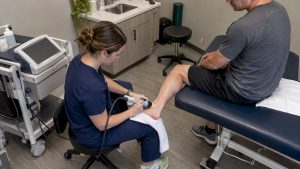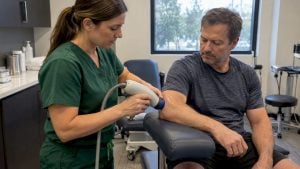

When patients come into my clinic asking whether physical therapy can fix posture, they are usually dealing with more than just how they look standing in a mirror. In most cases, there is underlying discomfort—neck stiffness, back pain, fatigue, or even headaches—that has been building over time. Many have tried quick fixes like posture braces or ergonomic chairs, but the results tend to be temporary.
In my experience, Can physical therapy fix posture? Learn how targeted exercises and expert care can improve alignment, reduce pain, and restore movement. issues are rarely isolated. They often reflect deeper movement patterns, muscle imbalances, or habits that have developed over years. This is where a structured, guided approach like physical therapy becomes important—not as a quick correction, but as part of a broader plan to restore function and reduce strain on the body. For patients looking to address posture concerns in a meaningful way, I often recommend starting with a comprehensive physical therapy program tailored to their needs.
There Is No One-Size-Fits-All Approach to Posture
One of the first things I explain to patients is that there is no single treatment that works for everyone. Posture is influenced by many factors—muscle strength, joint mobility, work habits, prior injuries, and even stress levels.
In clinical practice, I often combine several conservative care approaches depending on the individual:
- Targeted physical therapy programs
- Interventional procedures, when pain limits participation
- Medication management for short-term symptom control
- Lifestyle and movement adjustments
For example, someone with forward head posture from prolonged desk work may need a different approach than someone with spinal alignment changes after an injury. In some cases, I also guide patients toward complementary treatment options that address pain and inflammation so they can actively participate in rehabilitation.
What matters most is not the label of the posture problem, but understanding what is driving it.
What Actually Drives Results in Practice
When patients ask me if posture can truly improve, I usually shift the focus away from “fixing” posture and toward building better movement patterns.
Over time, I have found that results depend on a few consistent factors:
Proper Diagnosis
Posture is often a symptom, not the root issue. Tight hip flexors, weak core muscles, and limited thoracic mobility are common contributors. Without identifying these, progress is limited.
Consistency With Therapy
The exercises themselves are not complicated, but they require repetition. Patients who follow through with their programs tend to see steady improvement. Those who stop early often return with the same concerns.
Structured Rehabilitation
A well-designed program progresses gradually. We do not just stretch tight areas; we also strengthen weak muscle groups and retrain coordination.
Patient Accountability
Posture is influenced by daily habits—how you sit, stand, and move. Therapy sessions are only part of the process. What happens outside the clinic matters just as much.
Addressing Root Causes
If we only focus on standing up straighter without correcting underlying imbalances, the body tends to revert to old patterns. Sustainable change comes from addressing both mobility and strength.
Can Physical Therapy Fix Posture Over Time?
This is where expectations need to be realistic. Physical therapy can significantly improve posture, but it is not an instant correction.
In many cases, what I see is gradual, meaningful change:
- Reduced tension in the neck and shoulders
- Improved spinal alignment during daily activities
- Better endurance when sitting or standing
- Fewer flare-ups of pain
- Increased awareness of body positioning
These changes often develop over weeks to months, not days. Importantly, they tend to hold when patients stay engaged with their program.
What Improvement Looks Like in Everyday Life
Patients sometimes expect dramatic visual changes, but in reality, the most valuable improvements are functional.
In my clinic, patients often report:
- Being able to sit through a workday with less discomfort
- Standing or walking longer without fatigue
- Sleeping better due to reduced pain
- Returning to exercise or normal routines
- Feeling more stable and balanced
These outcomes may seem subtle, but they have a meaningful impact on quality of life. Posture becomes less of a conscious effort and more of a natural result of improved strength and movement.
Long-Term Management and Prevention
Posture is not something that gets permanently “fixed” and then forgotten. It requires ongoing attention, especially in environments that promote poor habits, like prolonged desk work or repetitive movements.
To maintain progress, I typically recommend:
Strength and Stability Work
Core strength, back muscle endurance, and hip stability play a major role in maintaining alignment.
Regular Movement
Avoiding prolonged static positions is critical. Even small, frequent movement breaks can make a difference.
Ergonomic Adjustments
Workstation setup, chair height, and screen positioning should support neutral posture rather than force compensation.
Periodic Follow-Up
Some patients benefit from occasional check-ins to refine their program or address new issues before they progress.
Over time, these strategies help reinforce the improvements made during therapy and reduce the likelihood of recurrence.
A Practical Perspective Moving Forward
If you are dealing with posture-related discomfort, it is worth understanding that improvement is possible—but it requires a thoughtful, consistent approach. In my experience treating patients, those who commit to the process tend to see meaningful changes in both how they feel and how they function.
If you are ready to take a structured, individualized approach, you can explore care options or schedule a visit at the Allen location. With the right guidance and consistency, progress is achievable over time.