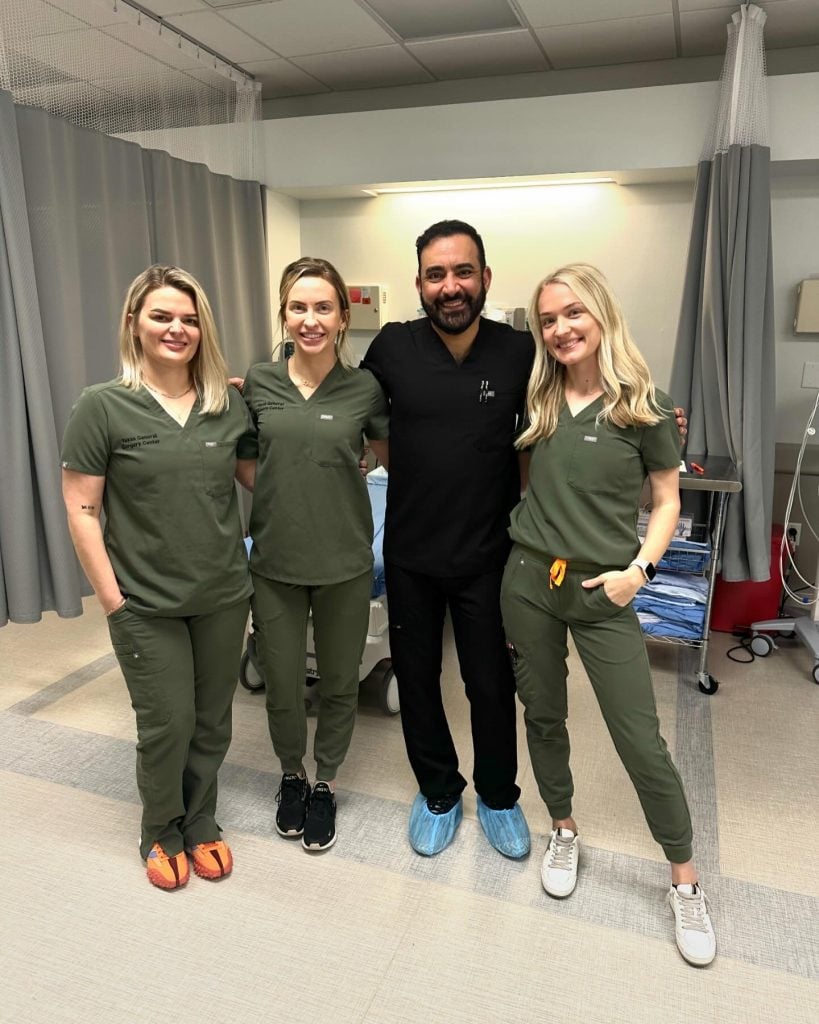

For many people dealing with joint pain, back pain, or nerve symptoms, surgery can feel like the inevitable next step. We hear it every week from patients across Fort Worth, Allen, Coppell, and Garland: “I was told surgery might be my only option.” In our experience, that’s often not the full story. In many cases, physical therapy can reduce pain, restore movement, and help patients avoid surgery altogether.
Can physical therapy prevent surgery?
In short, yes—when the right condition is treated at the right time with a focused plan. Conservative care physical therapy works by addressing the root cause of pain, not just the symptoms. Instead of cutting or removing tissue, we help the body heal, adapt, and move better.
Can physical therapy help you avoid surgery? What the evidence shows
Research consistently shows that non-surgical treatment physical therapy can be just as effective as surgery for many common orthopedic conditions. Studies on knee arthritis, rotator cuff tears, and low back pain have found that patients who start with physical therapy often report similar pain relief and function compared to those who choose surgery first. The difference is recovery time, risk, and cost. Physical therapy for pain without surgery avoids anesthesia risks, long downtime, and post-surgical complications.
Avoiding surgery with physical therapy: what patients need to know
Not every condition responds the same way, but many do. We’ve seen patients scheduled for orthopedic procedures regain strength and mobility after a focused physical therapy treatment plan. One patient in Allen came in with persistent shoulder pain and a surgical recommendation. After eight weeks of targeted therapy and movement retraining, their pain dropped significantly and surgery was no longer needed.
Physical therapy works best when it’s started early and tailored to the person. A good plan looks at how you move, where you’re weak, and what daily activities are stressing your body.
When physical therapy works instead of surgery
Physical therapy instead of surgery is most effective for conditions like
• Chronic low back pain and disc-related pain without severe nerve damage
• Knee arthritis and meniscus irritation
• Shoulder impingement and partial rotator cuff tears
• Neck pain with stiffness or posture-related nerve symptoms
• Early hip pain caused by muscle imbalance or joint restriction
In these cases, physical therapy surgical alternative strategies focus on strengthening, flexibility, and movement control.
Non-surgical treatment options: can physical therapy replace surgery?
Physical therapy can sometimes replace surgery and sometimes delay it. Even delaying surgery has value. It gives patients time to improve strength, lose weight if needed, and reduce inflammation. If surgery is still required later, outcomes are often better after physical therapy before surgery evaluation.
As Dr. Ghalambor explains, “Many patients are surprised by how much improvement they can achieve without surgery. Conservative care allows us to calm pain, restore movement, and often change the trajectory entirely.”
Do you really need surgery—or can physical therapy help first?
In our experience, surgery should rarely be the first step unless there is severe trauma, progressive nerve damage, or loss of function. Orthopedic physical therapy consultation helps clarify what’s truly necessary. We often advise patients to try physical therapy first, monitor progress, and then reassess.
Physical therapy vs surgery: when conservative care is enough
Conservative care physical therapy focuses on
• Reducing inflammation and pain
• Improving joint mobility
• Building strength where support is lacking
• Correcting movement habits that cause repeat injury
For many people, these changes are enough to return to work, sports, or daily life without surgery.
How physical therapy helps patients avoid orthopedic surgery
We’ve personally seen patients in Fort Worth and Garland cancel planned procedures after completing therapy. One individual with knee pain was told surgery was likely. After learning how to load the joint safely and strengthen surrounding muscles, they returned to walking and stairs with confidence.
“Physical therapy gives patients control,” says Dr. Ghalambor. “Instead of feeling like surgery is happening to them, they become active participants in their recovery.”
Before you choose surgery: how physical therapy can change the outcome
Trying physical therapy before surgery is not delaying care—it’s exploring your options. A structured plan can show whether your body responds to movement-based treatment. If it does, you may avoid surgery. If it doesn’t, you move forward knowing you made an informed choice.
Can physical therapy delay or eliminate the need for surgery?
Yes, and often both. Some patients avoid surgery entirely. Others delay it for years while staying active and comfortable. Either way, physical therapy helps you make decisions based on real improvement, not fear or urgency.
Ready to Explore Your Non-Surgical Options?
If you’re facing the possibility of surgery, you don’t have to make that decision alone—or right away. A personalized physical therapy evaluation can help determine whether conservative care could reduce your pain, restore movement, and potentially help you avoid or delay surgery.
Serving Fort Worth, Allen, Coppell, Frisco, and Garland, our team focuses on evidence-based, patient-first care that looks at the whole picture—not just an MRI report. Schedule a physical therapy consultation today to learn your options, get clear answers, and take control of your recovery before committing to surgery.
Additional Resources: