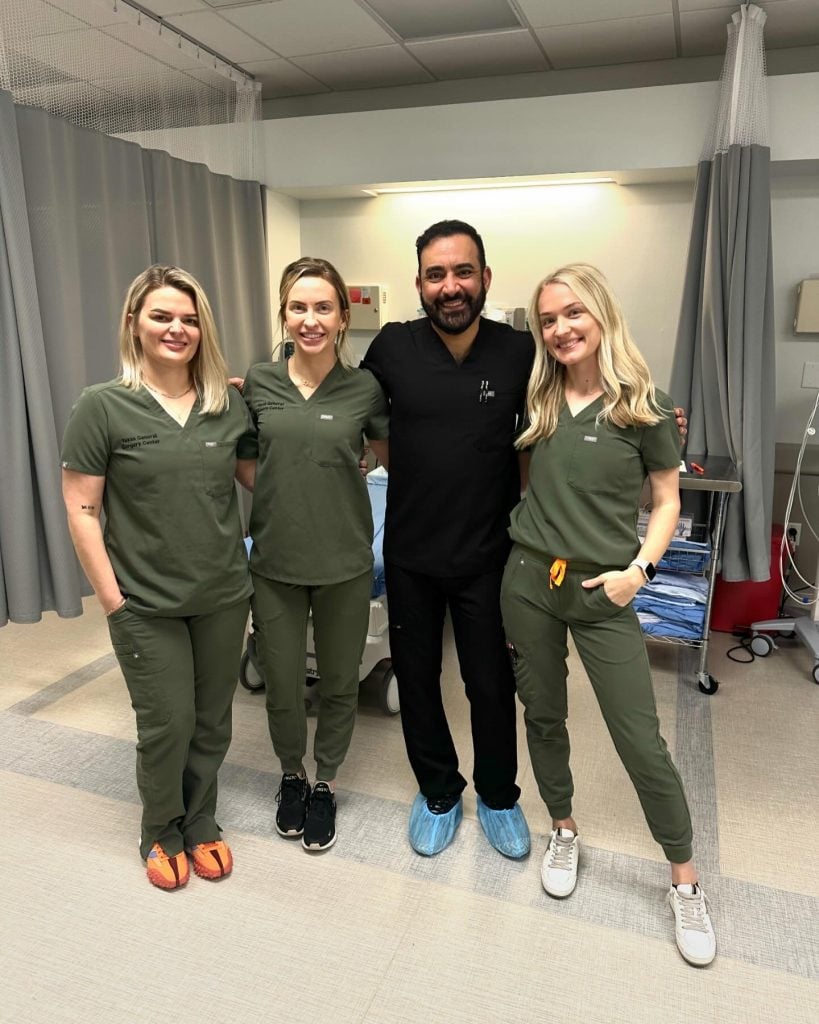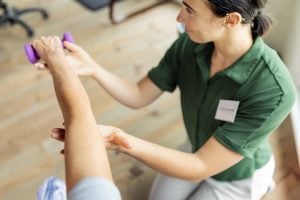

If you feel stiff getting out of bed, struggle to lift your arm, or avoid stairs because your knees hurt, you are not alone. We see this every day. Many people think pain or tightness is just part of aging. In our experience, that is rarely true. The body is built to move. And when movement improves, life improves.
At NorTex Spine & Joint Institute, we focus on helping patients improve mobility with physical therapy in a way that feels safe and realistic. Let’s break down how it works and what you can expect.
How Physical Therapy Restores Movement, Strength, and Daily Function
Mobility is more than just flexibility. It is your ability to move with control and without pain. That includes:
• Getting up from a chair
• Reaching overhead
• Walking without limping
• Turning your head while driving
• Playing with your kids or grandkids
When someone comes to us for physical therapy for mobility issues, we look at three key areas:
• Joint movement
• Muscle strength
• Nerve and pain signals
If even one of these is off, movement suffers. The goal of improve mobility physical therapy is to restore balance in all three.
Dr. Ghalambor explains it this way: “Mobility loss is often a combination of pain, inflammation, and weakness. When we address all three together, patients regain function faster and more safely.”
Struggling With Stiffness? How Physical Therapy Improves Range of Motion
Stiffness is one of the top reasons people search for physical therapy for stiffness and pain. It often happens after:
• Surgery
• Injury
• Long periods of sitting
• Arthritis
• Muscle strain
Range of motion PT focuses on gently improving how far a joint can move. This may include:
• Guided stretching
• Joint mobilization techniques
• Light resistance exercises
• Heat or manual therapy
For example, one of our patients in Allen had shoulder surgery and could barely lift her arm to brush her hair. After six weeks of post-surgery mobility physical therapy, she regained nearly full overhead motion and returned to work pain-free.
Research supports this approach. Studies published in the Journal of Orthopaedic & Sports Physical Therapy show that structured physical therapy improves joint mobility and function significantly after surgery and injury.
Mobility Exercises in Physical Therapy: What to Expect
When patients search for mobility exercises physical therapy, they often imagine intense workouts. That is not what we do. In fact, most programs start simple.
Here is what a typical plan may include:
• Controlled stretching to loosen tight muscles
• Strength exercises using body weight or light bands
• Balance training to prevent falls
• Posture correction drills
• Functional movements like sit-to-stand practice
We’ve seen patients double their walking distance in just eight weeks by following a consistent program. Small, steady changes create real progress.
From Injury to Independence: How PT Improves Function
Physical therapy after injury is about more than healing. It is about getting your life back.
Let’s say someone twists their knee. The pain causes them to limp. The limp weakens the hip. The weakness strains the back. Now multiple areas hurt.
Physical therapy for joint mobility breaks that cycle. We:
• Reduce inflammation
• Restore proper movement patterns
• Strengthen supporting muscles
• Rebuild confidence
Dr. Ghalambor often tells patients, “Function is freedom. When you can move without fear, your quality of life improves dramatically.”
How Physical Therapy Improves Mobility After Surgery
Post-surgery mobility physical therapy is critical. Without it, scar tissue forms and joints stiffen.
Here’s what we focus on:
• Early safe movement
• Swelling control
• Gradual strength building
• Preventing compensation patterns
For example, after a knee replacement, patients who start therapy early often regain walking ability weeks sooner than those who delay care. According to the American Physical Therapy Association, early rehab improves long-term outcomes and reduces complications.
Range of Motion PT Near You: Why Location Matters
If you are searching for range of motion PT near me or a physical therapy clinic for mobility improvement in Frisco, Fort Worth, Allen, Coppell, or Garland, consistency is key. Therapy works best when sessions are regular and easy to attend.
We encourage patients to:
• Book physical therapy evaluation early
• Attend sessions as scheduled
• Complete home exercises daily
• Track progress weekly
One of our Garland patients improved hip mobility by 40 percent in two months simply by sticking to her program and checking in consistently.
A Quick Snapshot of What Physical Therapy Targets
Here’s a simple overview of what we address:
Issue | PT Focus
Stiff joints | Gentle joint mobilization and stretching
Weak muscles | Strength training and resistance work
Poor balance | Stability and coordination drills
Pain with movement | Gradual loading and movement retraining
Post-surgery tightness | Controlled range of motion work
Each plan is tailored. No two bodies are the same.
When Should You Consider Physical Therapy for Mobility Issues?
You may benefit if:
• You avoid activities you once enjoyed
• You feel stiff most mornings
• You are recovering from surgery
• You limp or favor one side
• You notice reduced flexibility
Waiting often makes things worse. Early care often leads to faster recovery.
Dr. Ghalambor shares, “The earlier we address mobility loss, the less invasive treatment tends to be. Delayed movement can lead to chronic pain patterns.”
Our Experience Serving Frisco, Fort Worth, Allen, Coppell, and Garland
We’ve worked with athletes, office workers, retirees, and post-surgical patients across North Texas. In many cases, people arrive thinking surgery is their only option. After a structured improve mobility physical therapy plan, many regain function without additional procedures.
While NorTex Spine & Joint provides specialized care, many reputable clinics offer similar treatments. Always seek multiple opinions before deciding on treatment.
Take the First Step Toward Moving Better
If you are ready to improve mobility physical therapy can make a real difference. Whether you need physical therapy after injury, help with stiffness, or support after surgery, the first step is simple.
Book physical therapy evaluation and let a professional assess your movement. Small changes today can restore strength, flexibility, and independence tomorrow.
Your body was designed to move. With the right guidance and consistent effort, it can move well again.
More Information: