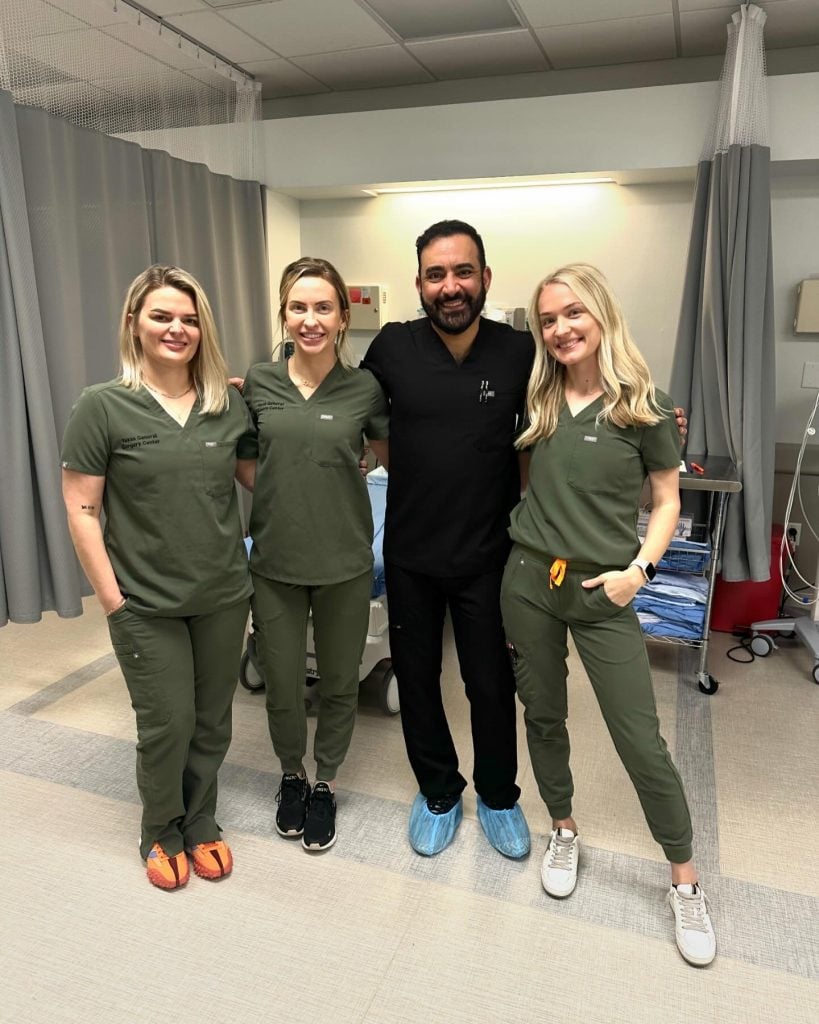

This is one of the most common questions we hear from patients in Fort Worth, Allen, Coppell, and Garland. In our experience, people want clear expectations, not vague estimates. Physical therapy duration depends on the condition, how long symptoms have been present, and how consistent treatment is. Some patients feel better in weeks. Others need longer care to rebuild strength and prevent the problem from coming back.
Physical Therapy Duration Explained in Simple Terms
Physical therapy is not one-size-fits-all. Recovery time changes based on whether the issue is new, long-term, or related to surgery. As Dr. Ghalambor explains, “Healing happens in stages. Physical therapy helps guide the body through those stages safely and efficiently.” In general, most treatment plans fall into one of three categories: short-term care for new injuries, moderate timelines for ongoing pain, or longer programs after surgery.
Short-Term Physical Therapy for Acute Injuries
Acute injuries are recent problems like muscle strains, joint sprains, or sudden back or neck pain. These usually respond quickly when therapy starts early. Typical timelines include:
- Two to six weeks of care
- One to two sessions per week
- Four to eight total visits for mild cases
We’ve seen patients in Allen and Coppell return to normal daily activities within a month when they begin PT instead of waiting.
How Long Does Physical Therapy Take for Back Pain
Back pain timelines vary more than most people expect. New or flare-up back pain often improves faster than long-standing pain. Common ranges include:
- Four to six weeks for recent back pain
- Eight to twelve weeks for chronic back pain
- Ongoing maintenance for patients with repeated flare-ups
One Garland patient told us their pain improved in the first month, but staying in therapy helped prevent the pain from returning once daily activities increased.
PT Recovery Time for Joint Pain and Arthritis
Joint pain in the knees, hips, or shoulders often improves with steady, consistent therapy. These cases focus on strength, mobility, and joint support. Most patients can expect:
- Six to twelve weeks of treatment
- One to two visits per week
- Gradual improvement rather than sudden relief
Progress may feel slow at first, but steady gains usually lead to better long-term movement and less stiffness.
Physical Therapy Timelines After Surgery
Post-surgical physical therapy takes longer because tissues must heal before strength returns. Early visits focus on movement and swelling, while later sessions rebuild strength and control. Typical timelines include:
- Eight to sixteen weeks for many joint surgeries
- Longer programs for complex or multiple procedures
- A gradual reduction in visit frequency over time
In our Fort Worth clinic, patients who stay consistent with therapy often regain function faster and avoid stiffness or weakness.
How Many PT Sessions Do You Usually Need
Most people fall somewhere between eight and twenty-four total visits. The exact number depends on the condition and goals. Physical therapy sessions per week are usually one to three, with more frequent visits early in treatment and fewer as progress improves.
How Long Does Physical Therapy Take to Work
Many patients notice small improvements within the first two to three weeks. This might include less pain, better movement, or easier daily tasks. Full recovery takes longer, but early changes are a good sign the plan is working. Dr. Ghalambor often reminds patients, “Progress isn’t always linear. Consistency matters more than speed.”
What Can Shorten Your Physical Therapy Recovery Timeline
Patients who recover faster usually share a few habits:
- Attending all scheduled sessions
- Doing home exercises as instructed
- Speaking up about pain or setbacks
- Avoiding activities that undo progress
We’ve learned that physical therapy works best when it’s treated as an active partnership, not a passive appointment.
This information is provided by NorTex Spine & Joint Institute, serving Fort Worth, Allen, Coppell, Frisco, and Garland. While NorTex Spine & Joint provides specialized care, many reputable clinics offer similar treatments. Always seek multiple opinions before deciding on treatment.
Additional Information: