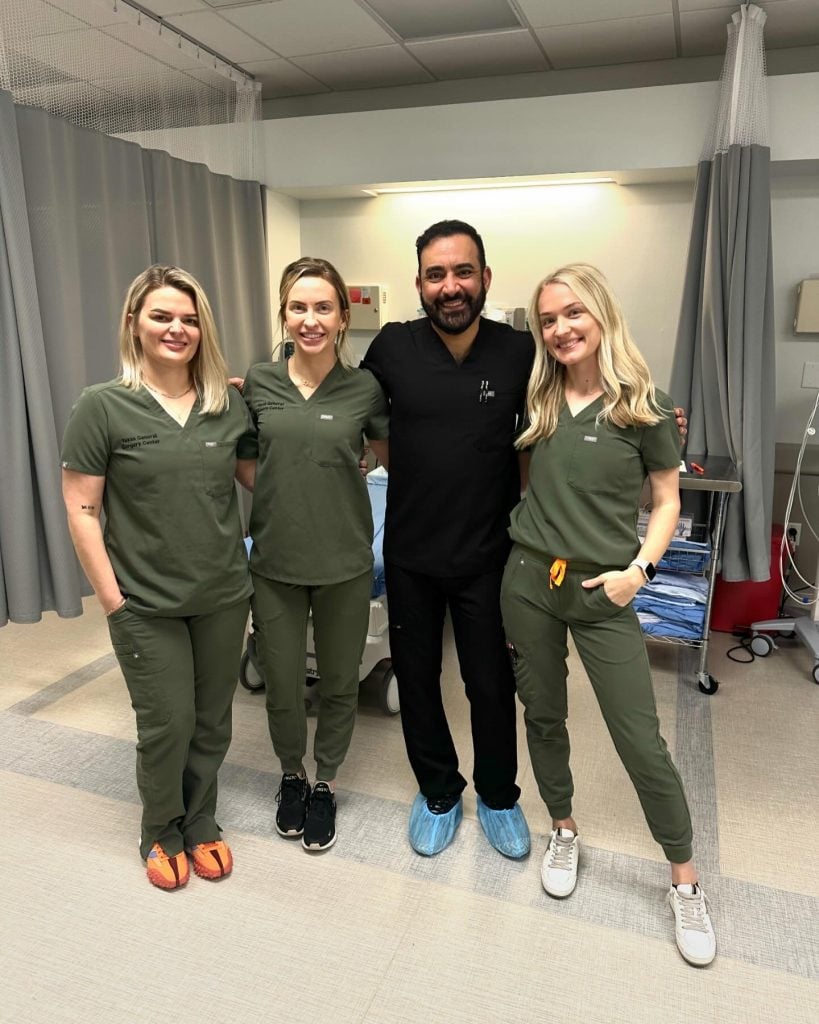

When people ask us, “Is physical therapy worth it?” what they usually mean is simple: Will this actually help me feel better—and is it worth the money? In our experience at NorTex Spine & Joint Institute, the answer depends on your condition, your goals, and how consistent you are with care. But for most patients dealing with pain, injury, or recovery after surgery, physical therapy delivers real, measurable value when done correctly.
Is Physical Therapy Really Worth the Money? Benefits, Costs, and Outcomes
Physical therapy cost vs results is one of the most common concerns we hear. In Texas, sessions often range from moderate copays to higher out-of-pocket costs without insurance. That can feel intimidating upfront. What many patients don’t realize is that PT often prevents bigger expenses later. We’ve seen patients avoid injections, surgery, or long-term medication simply by committing to a short, focused therapy plan. “Physical therapy isn’t just about movement—it’s about restoring function so patients don’t need more invasive care later,” says Dr. Ghalambor.
Physical Therapy Cost vs Results: Does PT Actually Work?
Does physical therapy work? Yes—but effort matters. PT treatment results depend on consistency, therapist guidance, and follow-through at home. In our clinics across Fort Worth, Allen, Coppell, and Garland, we’ve seen people with chronic back pain regain daily function in weeks, not months. For example, one patient who struggled to sit through a full workday saw pain drop by half after three weeks of targeted therapy and home exercises. That kind of physical therapy pain relief is common when care plans are followed.
Is Physical Therapy Effective? Success Rates, Benefits, and Real Results
Physical therapy success rate varies by condition, but studies and real-world experience show strong outcomes for joint pain, post-surgical rehab, sports injuries, and nerve-related pain. Benefits of physical therapy include improved strength, better balance, reduced stiffness, and fewer flare-ups. “We regularly see patients who thought surgery was their only option regain confidence and mobility through conservative care,” Dr. Ghalambor explains.
Does Physical Therapy Work Long Term? What the Evidence Shows
One concern we hear often is whether results last. Physical therapy effectiveness improves long term when patients learn how to move correctly and prevent reinjury. PT isn’t just treatment—it’s education. Patients who stick with strengthening and posture habits often experience fewer pain episodes months or even years later. That long-term payoff is where physical therapy value for money really shows.
Physical Therapy Benefits Explained: Pain Relief, Recovery, and ROI
When you look at PT as an investment rather than a quick fix, the return becomes clear. Physical therapy outcomes often include
• Less pain without relying on medication
• Faster recovery after injury or surgery
• Improved mobility and confidence
• Reduced risk of future injury
Compared to repeat doctor visits, imaging, or procedures, PT frequently delivers a higher ROI for many patients.
PT Success Rate Explained: How Often Physical Therapy Actually Helps
Is physical therapy worth it for pain, injury, or surgery recovery? For most patients, yes—especially when care starts early. Physical therapy results timeline varies, but many people notice small improvements within two to four weeks. Those early wins build momentum and make the process feel worthwhile.
Physical Therapy Results Timeline: When Patients See Real Improvement
We’ve learned that expectations matter. PT isn’t instant relief, but it’s steady progress. Typical PT treatment results include
• Week 1–2: reduced stiffness, better movement awareness
• Week 3–4: noticeable pain relief and strength gains
• Week 6+: improved endurance and daily function
That progress often means fewer missed workdays and better quality of life.
Before You Quit PT: Understanding the True Value of Physical Therapy
Many people stop too early and miss the full benefit. Physical therapy outcomes compound over time. “The biggest mistake we see is quitting once pain improves slightly,” says Dr. Ghalambor. “That’s when long-term results are built.” For patients in Fort Worth, Allen, Coppell, and Garland, continuing through the full plan often makes the difference between short-term relief and lasting recovery.
While NorTex Spine & Joint provides specialized care, many reputable clinics offer similar treatments. Always seek multiple opinions before deciding on treatment.
Additional Information: