
Joint regeneration is defined as the use of biological and medical interventions to repair or replace damaged joint tissue, primarily cartilage, with the goal of restoring function and delaying or avoiding joint replacement surgery. The clinical term you will hear most often is cartilage restoration, and it sits at the center of a rapidly advancing field called regenerative medicine. Many patients arrive at a clinic like Nortex Spine and Joint after years of managing pain with anti-inflammatories or cortisone injections, only to learn that those approaches treat symptoms while the underlying tissue continues to deteriorate. Understanding what joint regeneration actually involves, how the biology works, and what outcomes are realistic gives you a far stronger foundation for making treatment decisions.
What is joint regeneration and how does it work biologically?
Joint regeneration refers specifically to repairing articular cartilage, the smooth tissue that covers the ends of bones inside a joint, along with supporting structures such as the synovial lining and subchondral bone. Cartilage has no direct blood supply, which is why it heals so poorly on its own after injury or wear. Regenerative approaches either activate the body’s existing repair cells or introduce biological agents, such as stem cells or platelet-rich plasma, to stimulate new tissue formation.
The distinction between repair and true regeneration matters clinically. Natural healing typically produces fibrocartilage, a scar-like tissue that is structurally inferior to native hyaline cartilage. Hyaline cartilage is smooth, resilient, and shock-absorbing. Fibrocartilage is stiffer and less durable. Regenerative therapies aim to produce hyaline-like tissue, though most current methods achieve a functional middle ground rather than perfect restoration.
Synovial joints contain native stem and progenitor cells, and activating these through biologics is central to sustainable repair. This means the goal is not always to inject external cells but to modulate the joint’s own microenvironment so it can do more of the repair work itself.
What happens during the joint healing process?
The joint healing process follows three sequential phases: inflammatory, proliferative, and remodeling. Each phase has a distinct biological purpose, and disrupting the sequence, through premature loading or inadequate rest, compromises the final outcome.
- Inflammatory phase (days 1 to 7): The body sends blood flow and immune cells to the injured area. Swelling and pain are normal signals, not problems to suppress entirely.
- Proliferative phase (weeks 2 to 6): Fibroblasts and chondrocytes begin laying down new tissue. This is when biologics like PRP are most effective at amplifying repair signals.
- Remodeling phase (3 months to 1 year or longer): New tissue matures, collagen fibers align, and the joint gradually regains load-bearing capacity. Ligaments typically require 8 to 16 weeks to heal, and full functional recovery can extend to a year.
The remodeling phase is where most patients make a critical mistake. Pain often subsides before the tissue is structurally ready, and many people return to full activity too soon. Premature return to activity risks reinjury and produces suboptimal tissue quality. Adherence to the full rehabilitation timeline is not optional. It is the difference between durable recovery and a recurring problem.
Pro Tip: Ask your provider to map your treatment timeline against all three healing phases. If a plan does not account for the remodeling phase, it is likely incomplete.
Which advanced joint repair techniques are currently available?
The field of joint repair has expanded considerably in 2026, moving well beyond cortisone injections and surgical debridement. The most clinically relevant options fall into four categories.
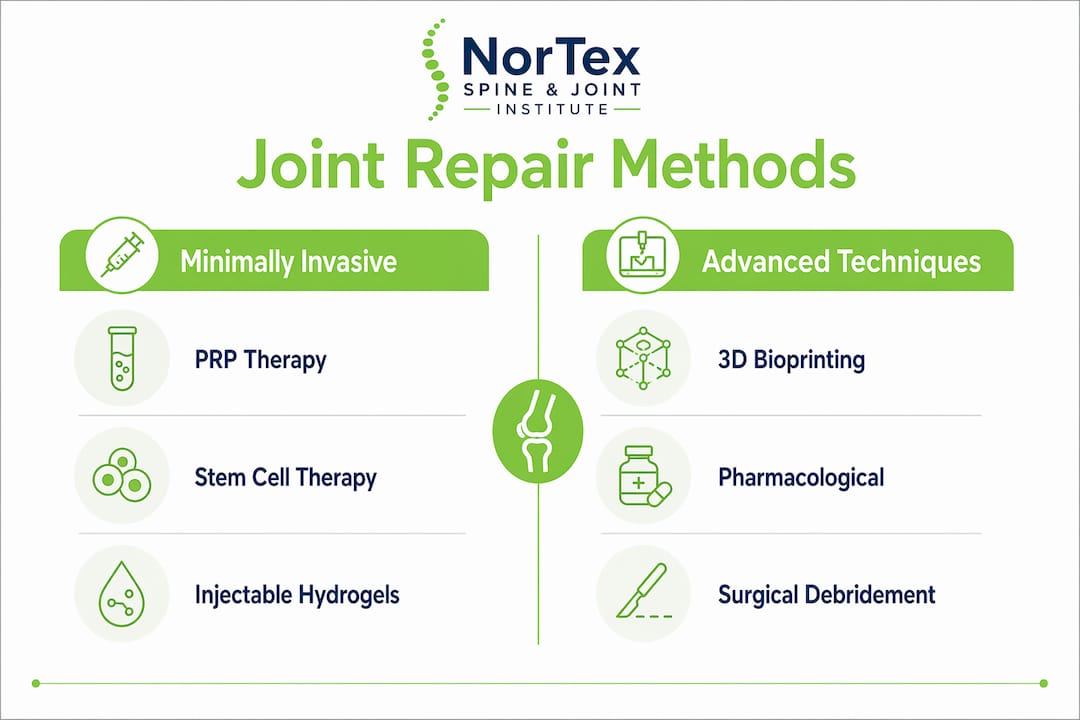
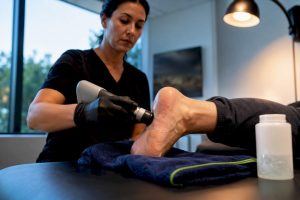
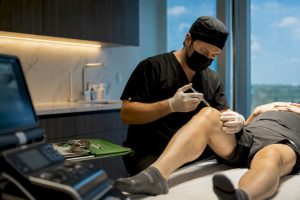
Platelet-rich plasma (PRP): PRP therapy concentrates growth factors from your own blood and injects them directly into the affected joint. PRP injections are less invasive than surgery and are increasingly used for chronic joint pain relief in clinical practice. PRP works best in the proliferative phase of healing, where growth factors can amplify the body’s own repair signals.
Stem cell therapies and MSC-EVs: Mesenchymal stem cells (MSCs) can differentiate into cartilage-producing chondrocytes. More recently, researchers have focused on mesenchymal stem cell extracellular vesicles (MSC-EVs), which deliver biological cues without introducing live cells. Hydrogel scaffolds loaded with MSC-EVs improve chondrocyte anabolic activity for osteochondral regeneration, representing a significant step forward in scaffold-based repair.
3D-bioprinted scaffolds and injectable hydrogels: These structures provide a physical framework for new cartilage to grow into. They are particularly useful in focal cartilage defects where the surrounding tissue is still healthy.
Pharmacological approaches: Stanford researchers identified that blocking the aging-related enzyme 15-PGDH stimulates cartilage regeneration. Early signs of cartilage regeneration appeared after just one week of treatment in human cartilage samples, and treated older mice showed thickened hyaline cartilage with less osteoarthritis progression. This approach remains in clinical development but represents a meaningful shift toward pharmacological joint health restoration.
| Treatment | Invasiveness | Mechanism | Typical timeline |
|---|---|---|---|
| PRP therapy | Minimally invasive | Growth factor delivery | 3 to 6 months |
| Stem cell injection | Minimally invasive | Cell differentiation, paracrine signaling | 6 to 12 months |
| MSC-EV hydrogel scaffolds | Surgical or injectable | Biological cue delivery, structural support | 6 to 18 months |
| 15-PGDH inhibitors | Pharmacological | Enzyme inhibition, endogenous repair | In development |
Pro Tip: No single technique works for every patient. Factors like defect size, patient age, activity level, and overall joint health all influence which approach is most appropriate. A thorough evaluation should precede any treatment decision.
How does joint regeneration compare to traditional treatments?
Traditional orthopedic care for joint degeneration typically follows a progression from physical therapy and anti-inflammatory medications to corticosteroid injections and, eventually, joint replacement surgery. Regenerative approaches sit between conservative care and surgery, aiming to preserve the native joint for as long as possible.
Cartilage restoration allows for a faster return to activity and less pain compared to replacement surgery. Joint replacement is highly effective for end-stage arthritis, but it comes with a recovery period of several months, activity restrictions, and implant longevity considerations. Regenerative therapies, by contrast, target the root cause of deterioration rather than replacing the joint entirely.
That said, regenerative medicine is not a cure for advanced arthritis. The honest clinical picture includes several important limitations:
- Regenerative therapies work best in earlier stages of joint degeneration, before bone-on-bone contact develops.
- Most treatments improve function and reduce pain rather than producing complete cartilage regrowth.
- Results vary based on patient age, body weight, activity level, and the severity of existing damage.
- Multiple treatment sessions may be needed, and outcomes are not guaranteed.
- Long-term data on newer techniques such as MSC-EVs and 3D scaffolds is still accumulating.
The most realistic framing is that regenerative medicine offers joint preservation, not joint perfection. For many patients, that means years of improved mobility and reduced pain before any surgical decision becomes necessary.
How can you support natural joint regeneration with lifestyle changes?
Regenerative therapies work best when supported by consistent lifestyle habits. The biology of tissue repair does not operate in isolation. What you do between treatment sessions directly affects how well your joint heals.
- Modify activity during each healing phase. Low-impact movement such as swimming or cycling maintains circulation and joint nutrition without overloading healing tissue. High-impact activity should be reintroduced gradually, guided by your provider’s timeline.
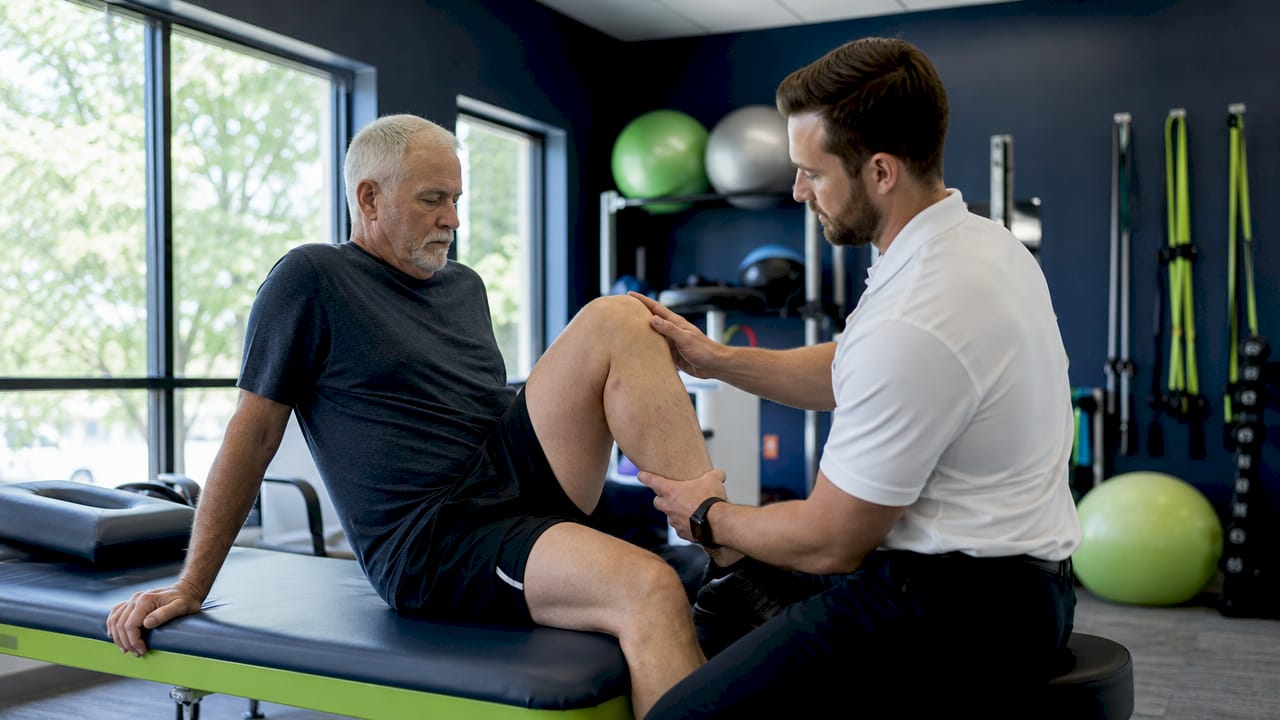
- Commit to physical therapy. Targeted exercises rebuild the muscular support around the joint, reduce abnormal loading patterns, and promote tissue remodeling. Knee rehabilitation protocols developed by experienced clinicians are particularly effective at guiding patients through each recovery phase.
- Support collagen production through nutrition. Collagen type II and proteoglycans are the primary structural components of healthy articular cartilage. Vitamin C, glycine-rich foods, and hydrolyzed collagen supplements support the body’s ability to synthesize these components.
- Manage body weight. Each pound of body weight translates to roughly three to four pounds of force across the knee joint during walking. Reducing excess weight meaningfully decreases the mechanical load on healing cartilage.
- Monitor progress and adjust the plan. Joint health restoration is not linear. Regular follow-up appointments allow your provider to assess tissue response, modify treatment intensity, and catch setbacks early.
Pro Tip: Omega-3 fatty acids from sources like wild salmon or fish oil supplements have demonstrated anti-inflammatory effects that may support the proliferative phase of healing. Discuss dosing with your provider before adding any supplement to your protocol.
Key takeaways
Joint regeneration is most effective when it combines targeted biological therapies with consistent rehabilitation and realistic expectations about the timeline for tissue repair.
| Point | Details |
|---|---|
| Regeneration targets cartilage repair | The primary goal is restoring articular cartilage to delay or avoid joint replacement surgery. |
| Three healing phases guide treatment timing | Inflammatory, proliferative, and remodeling phases each require specific interventions and activity levels. |
| PRP and stem cells are leading options | Both therapies stimulate repair with minimal invasiveness, though outcomes depend on disease stage and patient factors. |
| Fibrocartilage is not hyaline cartilage | Most natural healing produces inferior scar tissue; regenerative therapies aim to produce more durable hyaline-like tissue. |
| Lifestyle adherence determines outcomes | Physical therapy, weight management, and nutrition directly affect how well regenerative treatments perform. |
Why I think most patients underestimate the remodeling phase
After years of working with patients managing chronic joint conditions, the pattern I see most consistently is this: people feel better after six to eight weeks and assume the hard work is done. It is not. The remodeling phase, which can extend well beyond a year, is where the tissue either becomes durable or remains fragile.
The clinical literature is clear that strength, structure, and coordination rebuild slowly, and premature return to full activity is one of the most common reasons patients end up back in the office with a setback. I have seen patients who responded beautifully to PRP or stem cell therapy undo months of progress by returning to high-impact sport too early.
The other thing worth saying plainly: joint regeneration is not a single treatment. It is a process. The biological intervention, whether PRP, stem cells, or a scaffold, is the starting point. What follows, the rehabilitation, the nutrition, the load management, determines whether that starting point becomes a lasting result. Patients who treat regenerative therapy as a passive fix tend to be disappointed. Patients who treat it as a catalyst for a structured recovery tend to do well.
The emerging pharmacological approaches, particularly the 15-PGDH inhibitor research out of Stanford, are genuinely exciting. But they are not yet in clinical use. For now, the most evidence-supported path forward combines available biologics with disciplined rehabilitation and honest conversations about what is achievable at each stage of joint degeneration.
— Felix
Explore non-surgical joint regeneration at Nortex Spine and Joint
If you are managing chronic joint pain and want to understand whether regenerative medicine is appropriate for your situation, Nortex Spine and Joint offers a structured evaluation process. The clinic specializes in non-surgical regenerative treatments including PRP therapy, stem cell injections, and customized rehabilitation programs designed around your specific diagnosis and goals. Treatment plans are built on clinical assessment, not a one-size-fits-all protocol. Whether you are dealing with knee cartilage loss, hip arthritis, or shoulder degeneration, the team at Nortex can help you understand your options and set realistic expectations before committing to any course of care. Schedule a consultation to get a clear picture of where your joint health stands and what is possible.
FAQ
What is joint regeneration in simple terms?
Joint regeneration is the use of biological therapies, such as PRP or stem cells, to repair damaged cartilage and restore joint function without surgery. The goal is to reduce pain and delay or avoid joint replacement.
Can cartilage actually regrow?
Cartilage has limited natural regenerative capacity due to its lack of blood supply, but therapies like PRP, stem cell injections, and emerging 15-PGDH inhibitors can stimulate meaningful repair. Most treatments produce functional improvement rather than complete tissue regrowth.
How long does joint regeneration take?
The full healing process, including the remodeling phase, typically takes 6 to 18 months depending on the treatment used and the severity of joint damage. Many patients notice pain reduction within 3 to 6 months, but tissue maturation continues well beyond that point.
Who is a good candidate for regenerative joint therapy?
Patients with early to moderate joint degeneration, localized cartilage defects, or chronic pain that has not responded to conservative care are generally the best candidates. Advanced bone-on-bone arthritis typically responds less well to regenerative approaches.
How does PRP differ from stem cell therapy for joints?
PRP delivers concentrated growth factors from your own blood to stimulate the body’s repair response, while stem cell therapy introduces cells capable of differentiating into cartilage tissue. PRP is typically used for milder degeneration; stem cell therapy is considered for more significant cartilage loss.