
When patients come to see me, they’re often dealing with persistent pain that hasn’t responded the way they expected. Some have tried exercise programs or medications. Others have already started therapy but aren’t sure why certain techniques are being used. It’s common for people to ask about Manual Physical Therapy, especially when they’re looking for a more hands-on, targeted approach. In many cases, I explain how it fits within a broader physicaltherapy program and why it can play a meaningful role in recovery.
In simple terms, manual physical therapy refers to skilled, hands-on techniques performed by a trained clinician to improve movement, reduce pain, and restore function. In practice, it’s more nuanced than that. It’s not just about applying pressure or mobilizing a joint. It’s about understanding how the body is moving—and where it isn’t—and then using specific techniques to address those limitations.
Understanding Manual Physical Therapy in Clinical Practice
Manual Physical Therapy is not a standalone solution. It is one component of a comprehensive care plan. In my experience, it works best when it’s integrated with structured rehabilitation, movement training, and patient education.
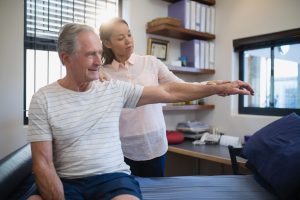
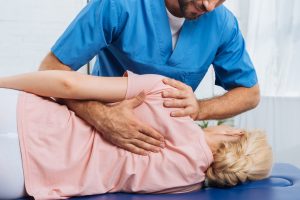
These hands-on techniques may include joint mobilization, soft tissue work, stretching, and guided movement. The goal is to improve how joints and muscles interact so that patients can move more efficiently and with less discomfort. For some individuals, this helps reduce stiffness. For others, it allows them to participate more effectively in exercise-based therapy.
I often remind patients that the purpose of manual physical therapy is not just short-term relief. It’s to create an environment where the body can respond better to rehabilitation, especially when combined with a structured physicaltherapy plan.
There Is No One-Size-Fits-All Approach
One of the most important things I emphasize in the clinic is that there is no universal treatment that works for every patient. Manual Physical Therapy can be very effective, but it’s not always the primary focus.
Some patients benefit more from guided exercise. Others may require interventional treatments such as injections, particularly when inflammation or nerve irritation is significant. In certain cases, medication management may be appropriate to help control symptoms enough to allow participation in therapy.
We also incorporate broader strategies, including posture correction, activity modification, and strengthening programs. These are often supported by our broader treatment options, which allow us to tailor care based on the individual.
Manual therapy fits into this larger picture. It is not the entire solution, but it can help move patients forward when used appropriately.
What Actually Drives Results in Practice
Over time, I’ve found that outcomes are less about any single technique and more about consistency and structure. Manual Physical Therapy can create short-term improvements in mobility or pain, but lasting results depend on what happens next.
Proper Diagnosis Comes First
Before any treatment begins, it’s critical to understand the underlying issue. Pain in the shoulder, back, or knee can come from multiple sources. Without a clear diagnosis, even well-performed manual therapy may not address the root cause.
Consistency Matters More Than Intensity
I often see patients who expect rapid change after one or two sessions. In reality, improvement is usually gradual. Regular sessions, combined with home exercises, tend to produce better outcomes than inconsistent or overly aggressive efforts.
Movement Is Essential
Manual therapy prepares the body, but movement retrains it. Without strengthening and coordination work, the benefits of hands-on treatment tend to fade. This is why we integrate manual techniques into a structured rehabilitation plan.
Patient Participation Is Critical
In my experience, patients who take an active role in their recovery—following instructions, staying engaged, and communicating changes—tend to progress more steadily. Passive care alone is rarely enough.
Addressing Root Causes
Pain is often a symptom of a deeper issue, such as muscle imbalance, joint restriction, or poor movement patterns. Manual therapy can help identify and address these, but long-term improvement depends on correcting the underlying dysfunction.
What Improvement Typically Looks Like
Patients sometimes expect dramatic changes, but the reality is often more subtle—and more meaningful over time.
In clinical practice, I look for signs such as:
- Increased range of motion
- Reduced frequency or intensity of flare-ups
- Improved tolerance for daily activities
- Better sleep due to decreased discomfort
- Gradual return to work, exercise, or hobbies
These changes may seem small at first, but they tend to build over time. The goal is not perfection. It is steady progress that improves quality of life.
The Role of Manual Physical Therapy Over Time
Manual Physical Therapy is often most useful during certain phases of care. Early on, it can help reduce stiffness and allow patients to begin moving more comfortably. As treatment progresses, its role may shift toward maintaining mobility while strengthening and stability become the focus.
I often adjust how frequently we use manual techniques based on how the patient is responding. Some individuals need it more consistently at the beginning. Others transition away from it as they gain control and strength.
The key is flexibility in the treatment plan. What works early in care may not be necessary later.
Long-Term Management and Prevention
One of the most common concerns I hear is whether the problem will return. The honest answer is that it can, especially if the underlying factors are not addressed.
That is why long-term management is a central part of care. Manual Physical Therapy can help improve movement, but maintaining those improvements requires ongoing effort.
I usually guide patients toward:
- Strengthening programs tailored to their condition
- Movement strategies that reduce strain on vulnerable areas
- Gradual return to activity with proper progression
- Periodic reassessment when symptoms change
Prevention is not about avoiding activity. It is about building resilience. When patients develop strength, stability, and awareness of how they move, they are less likely to experience recurring issues.
A Balanced Perspective on Care
Manual Physical Therapy has a clear role in modern, non-surgical treatment approaches. It can help reduce discomfort, improve mobility, and support rehabilitation when used appropriately. However, it is not a quick fix and should not replace active care.
In my experience treating patients, the most meaningful progress happens when Manual Physical Therapy is combined with a thoughtful, individualized plan. That plan should evolve over time, based on how the patient responds.
If you are dealing with ongoing pain or limited mobility and wondering whether this approach is right for you, a personalized evaluation is a practical next step. You can explore your options and connect with a care team by visiting our Allen location to begin improving function and moving more comfortably.