
Joint pain is defined as discomfort, aching, or soreness arising from one or more joints, where two or more bones meet and are supported by cartilage, synovial fluid, and surrounding soft tissue. The most common causes of joint pain include osteoarthritis, rheumatoid arthritis, bursitis, gout, infectious arthritis, and acute injuries. Each of these conditions follows a distinct pattern of onset, symptom progression, and tissue involvement. Recognizing which cause is driving your discomfort is the first step toward choosing a treatment that addresses the root problem rather than masking the pain. At Nortexspineandjoint, we see patients across all of these categories, and the clinical picture is rarely as simple as a single diagnosis.
1. Osteoarthritis: the most common cause of joint pain
Osteoarthritis (OA) is the degradation of cartilage and joint tissue, and it is the leading reason for joint discomfort in adults over 50. The OA pain pattern is a deep ache that worsens with weight-bearing activity and stiffness after inactivity that typically resolves within 30 minutes of movement. This pattern distinguishes OA from inflammatory conditions, where stiffness tends to last longer and is not relieved as quickly by motion.
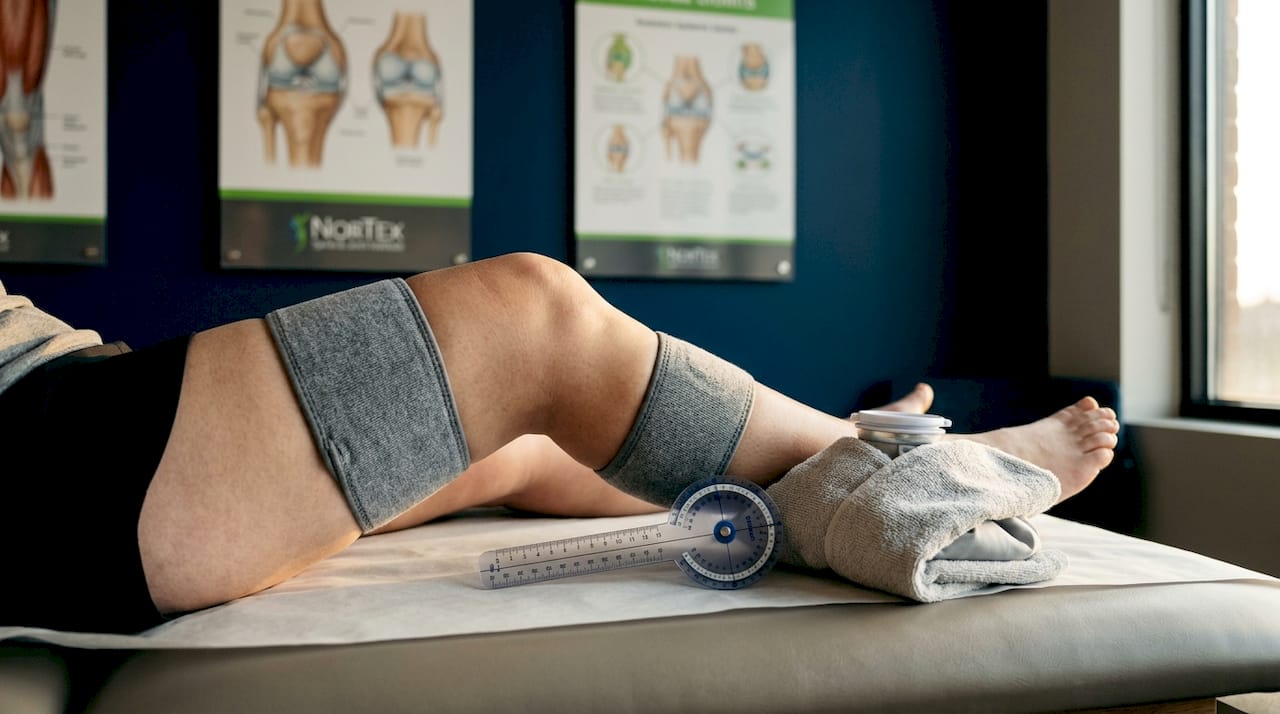
OA most commonly affects the knees, hips, and hands. You can learn more about how it presents in specific joints through Nortexspineandjoint’s detailed resources on knee OA and hip OA.
Critically, OA is not inevitable aging. Modifiable factors including prior joint injury, abnormal joint mechanics, metabolic disorders, and obesity all accelerate cartilage breakdown. This means that lifestyle changes can genuinely alter the course of the disease, not just manage symptoms.
Key risk factors include:
- Prior joint injury or surgery
- Obesity and excess mechanical load
- Repetitive occupational or athletic stress
- Metabolic conditions such as diabetes or hypothyroidism
- Abnormal joint alignment
Pro Tip: If your joint stiffness resolves within 30 minutes of getting up and moving, OA is a more likely cause than an inflammatory arthritis. Track when stiffness occurs and how long it lasts before your next clinical visit.
2. Rheumatoid arthritis: an autoimmune joint pain trigger
Rheumatoid arthritis (RA) is an autoimmune disease in which the immune system attacks the synovial tissue lining the joints, causing persistent inflammation, swelling, and over time, structural deformity. Unlike OA, which is driven by mechanical wear, RA involves synovitis and fluid changes that can damage cartilage and bone even in the absence of heavy physical use.
The joints in RA feel tender and warm to the touch. Morning stiffness typically lasts more than one hour, and the pattern is often symmetric, meaning the same joints on both sides of the body are affected simultaneously. Small joints of the hands and feet are frequently involved first, which differs from OA’s preference for larger weight-bearing joints.
Early medical evaluation is critical in RA to prevent progressive joint deformity. Disease-modifying antirheumatic drugs (DMARDs) such as methotrexate are the cornerstone of RA management and cannot be replaced by self-care alone. This is one condition where waiting to see a specialist carries real structural consequences.
Risk factors and distinguishing features include:
- Genetic predisposition combined with environmental triggers such as smoking
- Symmetric joint involvement, particularly in the wrists, knuckles, and toes
- Systemic symptoms including fatigue, low-grade fever, and weight loss
- Elevated inflammatory markers on blood tests (CRP, ESR, anti-CCP antibodies)
3. Bursitis: localized inflammation as a reason for joint discomfort
Bursitis is inflammation of a bursa, a small fluid-filled sac that cushions bones, tendons, and muscles near joints. Bursitis develops from trauma, repetitive overuse, infection, or crystal deposition, and the etiology matters because each cause requires a different treatment approach. Traumatic and overuse bursitis respond well to rest, NSAIDs, and corticosteroid injections, while infectious bursitis requires antibiotics and sometimes drainage.
The pain from bursitis is typically localized to the affected bursa, worsens with direct pressure or specific movements, and is accompanied by visible swelling in superficial locations. The hip, shoulder, elbow, and knee are the most commonly affected sites. Hip bursitis, in particular, is frequently mistaken for hip joint arthritis because the pain radiates similarly along the outer thigh.
Pro Tip: Pain that is sharply localized to one point on the outside of the hip or the tip of the elbow, rather than deep inside the joint, often points to bursitis rather than arthritis. This distinction changes the treatment approach significantly.
When bursitis symptoms overlap with gout or infection, joint fluid aspiration provides the clearest diagnostic answer. Fluid analysis can identify uric acid crystals, bacteria, or blood, guiding precise treatment rather than trial-and-error management.
4. Gout: crystal-induced joint pain with a distinct pattern
Gout is a form of inflammatory arthritis caused by the deposition of monosodium urate crystals in joint spaces, triggered by elevated uric acid levels in the blood. The classic presentation is an acute, intensely painful flare in the first metatarsophalangeal joint (the base of the big toe), though the ankle, knee, and wrist are also common targets. Gout flares often begin at night, reach peak intensity within 12 to 24 hours, and resolve over days to weeks without treatment.
Dietary triggers such as red meat, shellfish, alcohol (particularly beer), and high-fructose corn syrup raise uric acid levels and can precipitate flares. Certain medications, including diuretics and low-dose aspirin, also elevate uric acid. Chronic gout, if untreated, leads to tophi (urate crystal deposits under the skin) and progressive joint damage that resembles erosive arthritis on imaging.
Acute gout flares are managed with NSAIDs such as indomethacin, colchicine, or corticosteroids. Long-term management focuses on lowering serum uric acid with medications like allopurinol or febuxostat, combined with dietary modification. Fluid aspiration confirming urate crystals under polarized light microscopy remains the definitive diagnostic step when the presentation is atypical.
5. Infectious arthritis: a joint pain cause requiring urgent attention
Infectious arthritis is caused by bacteria, viruses, or fungi entering a joint space, producing rapid-onset pain, warmth, redness, swelling, and systemic symptoms such as fever and chills. Bacterial infectious arthritis is the most serious form and constitutes a medical emergency. Staphylococcus aureus is the most common bacterial culprit in adults, often reaching the joint through the bloodstream from a distant infection site, a skin wound, or a recent joint procedure.
The urgency of treatment cannot be overstated. Prompt antibiotics and joint drainage are required to prevent permanent cartilage destruction. Symptoms may begin to improve within 24 hours of appropriate treatment, but the window for preventing irreversible damage is narrow. Joint aspiration serves both as the primary diagnostic tool and as a therapeutic measure to reduce bacterial load and pressure within the joint.
Signs that distinguish infectious arthritis from other joint pain causes include:
- Rapid onset over hours to days rather than weeks
- Single joint involvement, most often the knee, hip, or shoulder
- Fever, chills, or recent skin infection or illness
- History of intravenous drug use, immunosuppression, or recent joint injection
If you experience sudden, severe joint pain with fever, seek emergency evaluation rather than scheduling a routine appointment. This is one scenario where waiting is not a conservative choice.
6. Acute injuries: sprains, strains, and fractures as joint pain triggers
Acute injuries are a distinct category on any joint pain causes list because the mechanism is clear, the onset is immediate, and the tissue involved is structural rather than inflammatory or degenerative. Sprains involve stretching or tearing of ligaments, strains affect muscles or tendons, and fractures involve bone. All three can produce significant joint pain, swelling, and loss of function.
The knee, ankle, and shoulder are the most commonly injured joints in both athletes and active adults. A lateral ankle sprain, for example, damages the anterior talofibular ligament and produces localized swelling and instability. A rotator cuff strain in the shoulder causes pain with overhead movement and weakness that differs from the diffuse aching of shoulder OA.
Injury-related joint pain differs from chronic joint disease in several important ways:
- Onset is tied to a specific event or mechanism
- Swelling develops rapidly, often within hours
- Pain is typically sharp and well-localized rather than deep and diffuse
- Function loss is immediate and proportional to injury severity
Most acute injuries respond to the RICE protocol (rest, ice, compression, elevation) in the short term, followed by structured physical therapy to restore strength and stability. Persistent pain beyond six weeks after an injury, or pain that worsens rather than improves, warrants imaging and clinical evaluation to rule out structural damage that requires more targeted intervention.
7. Comparing causes and non-surgical management options
Understanding what causes joint pain is only useful if it guides treatment. The table below summarizes the six main causes, their typical joint involvement, and first-line non-surgical approaches.
| Cause | Typical joints | Key symptom feature | First-line non-surgical treatment |
|---|---|---|---|
| Osteoarthritis | Knees, hips, hands | Deep ache, worsens with weight-bearing | Exercise, weight loss, NSAIDs |
| Rheumatoid arthritis | Wrists, knuckles, toes | Symmetric, prolonged morning stiffness | DMARDs, physical therapy |
| Bursitis | Hip, shoulder, elbow | Localized point tenderness | Rest, NSAIDs, corticosteroid injection |
| Gout | Big toe, ankle, knee | Acute nocturnal flares | Colchicine, NSAIDs, uric acid reduction |
| Infectious arthritis | Knee, hip, shoulder | Fever, rapid onset, single joint | Antibiotics, joint aspiration |
| Acute injury | Ankle, knee, shoulder | Trauma-linked, sharp, immediate | RICE, physical therapy |
For OA specifically, therapeutic exercise is a well-supported non-surgical approach that reduces pain and improves function. No single exercise type is universally superior. Strengthening, aerobic conditioning, balance training, and practices like Tai Chi each offer benefits depending on your fitness level, joint involvement, and personal preference.
Weight loss of 5 to 20% of body weight reduces pain and improves function in OA, making it one of the highest-impact lifestyle interventions available. Nutritional supplements such as glucosamine and chondroitin are conditionally recommended but should not replace exercise and weight management as the foundation of care.
Pro Tip: Before starting a new exercise program for joint pain, ask your clinician to identify whether your pain is mechanical or inflammatory. The wrong exercise type at the wrong time can aggravate an inflamed joint. Individualized programming, not generic advice, produces the best outcomes.
When conservative care reaches its limits, advanced non-surgical options including platelet-rich plasma (PRP) therapy, stem cell injections, and targeted rehabilitation programs offer a meaningful next step before considering surgery. You can explore non-surgical joint strategies in more detail through Nortexspineandjoint’s clinical resources.
Key takeaways
The most effective approach to joint pain is identifying the specific cause first, then selecting a treatment that targets the underlying mechanism rather than suppressing symptoms alone.
| Point | Details |
|---|---|
| Cause determines treatment | OA, RA, gout, bursitis, infection, and injury each require a different clinical approach. |
| OA is modifiable | Injury, obesity, and metabolic factors drive OA progression; lifestyle changes alter outcomes. |
| RA requires early intervention | Delaying medical treatment for RA risks permanent joint deformity that cannot be reversed. |
| Infectious arthritis is urgent | Fever with acute single-joint pain warrants emergency evaluation, not a routine appointment. |
| Exercise must be individualized | No single exercise type is best for all patients; tailored programs produce superior results. |
What I’ve learned from years of treating joint pain
After seeing hundreds of patients with joint pain, the pattern I notice most often is this: people arrive having already tried several treatments without a clear diagnosis. They have used over-the-counter NSAIDs, tried a generic exercise video, and perhaps received a cortisone injection, but no one has clearly explained whether their pain is mechanical or inflammatory. That distinction changes everything.
Mechanical pain, the kind driven by OA or injury, typically responds well to load management, targeted strengthening, and weight reduction. Inflammatory pain, whether from RA, gout, or bursitis, requires a different first step. Applying a strengthening program to an actively inflamed joint often makes things worse before it makes them better. The clinical exam, and sometimes fluid analysis, is what separates guesswork from a real treatment plan.
I also find that patients consistently underestimate the impact of body weight on joint symptoms. A modest reduction in body weight produces measurable pain relief in OA, often more reliably than supplements or passive treatments. This is not about aesthetics. It is about reducing the mechanical load on cartilage that has limited capacity to repair itself.
The patients who do best are those who engage actively in their care, ask specific questions about their diagnosis, and commit to the lifestyle components of treatment alongside any medical intervention. Realistic expectations matter too. Non-surgical care for chronic joint conditions is a process measured in weeks and months, not days. Progress is real, but it is rarely immediate.
— Felix
Advanced non-surgical treatments at Nortexspineandjoint
When exercise, weight management, and standard medications are not providing adequate relief, Nortexspineandjoint offers advanced non-surgical options designed to address joint pain at the tissue level. PRP therapy uses concentrated growth factors from your own blood to reduce inflammation and support tissue repair in joints including the knee, hip, and shoulder. For patients with chronic knee pain, PRP knee injections offer a targeted alternative to surgery. Stem cell therapy and customized rehabilitation programs are also available for patients with more complex or advanced joint conditions. Every treatment plan at Nortexspineandjoint is built around your specific diagnosis, not a one-size-fits-all protocol. Schedule a consultation to discuss which options are appropriate for your condition.
FAQ
What are the most common causes of joint pain in adults?
The most common causes are osteoarthritis, rheumatoid arthritis, bursitis, gout, infectious arthritis, and acute injuries such as sprains and strains. Each cause has a distinct symptom pattern and requires a different treatment approach.
How do I know if my joint pain is arthritis or something else?
Arthritis typically produces gradual-onset pain with stiffness, while infectious arthritis or acute injury causes rapid-onset pain often accompanied by fever or a clear traumatic event. A clinical evaluation with possible fluid analysis provides the most accurate diagnosis.
Can joint pain be treated without surgery?
Most joint pain causes respond to non-surgical treatment including therapeutic exercise, weight management, NSAIDs, physical therapy, and in some cases PRP therapy or corticosteroid injections. Surgery is generally considered only after conservative options have been exhausted.
What symptoms of joint pain require urgent medical attention?
Sudden severe joint pain with fever, redness, and warmth in a single joint suggests infectious arthritis and requires emergency evaluation. Delaying treatment risks permanent cartilage damage that cannot be reversed.
Does losing weight actually reduce joint pain?
Weight loss of 5 to 20% of body weight reduces pain and improves physical function in osteoarthritis, making it one of the most evidence-supported non-surgical interventions available for weight-bearing joint conditions.