
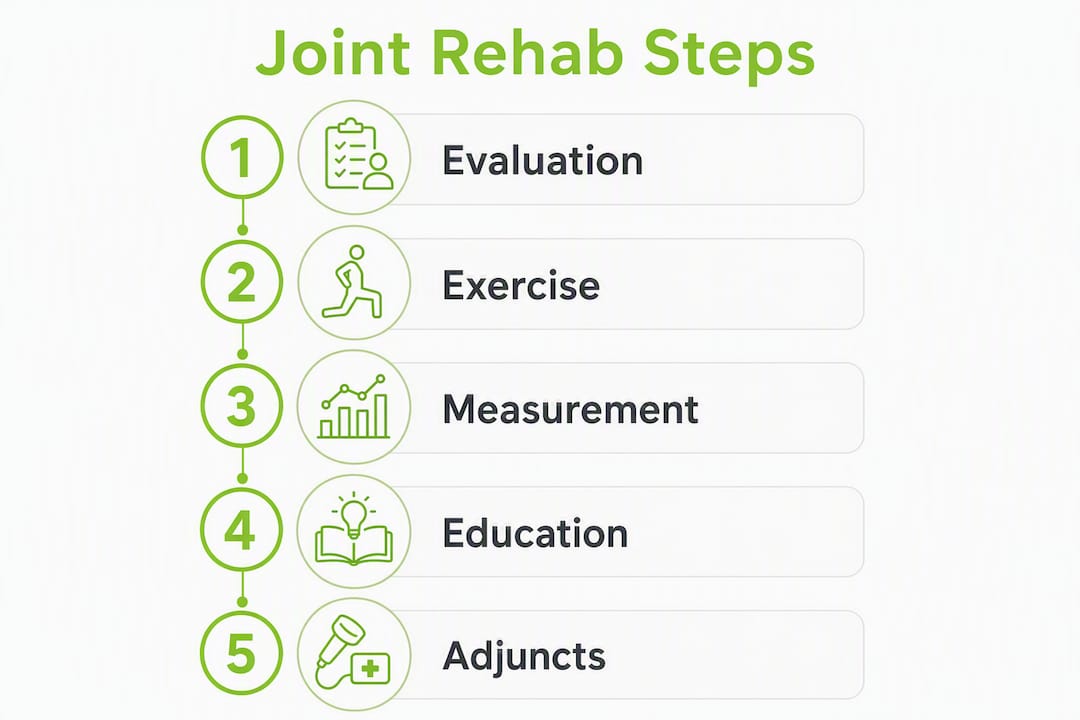
The best rehab programs for joint pain are structured, multimodal conservative pathways built around supervised progressive exercise, standardized outcome measurement, patient education, and clear escalation rules when progress stalls. Clinical guidelines consistently place this combination as first-line care before any injection or surgical consideration.
The non-negotiable elements of a quality program:
- Supervised, progressive exercise (aerobic and resistance training, not passive modalities)
- Standardized baseline and reassessment measures (VAS/NRS pain scale, WOMAC, timed function tests)
- Patient education and self-management coaching integrated with exercise
- Weight management support where clinically indicated
- Clear escalation criteria for when conservative care needs an adjunct or referral
TL;DR: If a program cannot tell you what it measures, how it progresses your load, and when it will reassess you, keep looking. Nortexspineandjoint offers a structured, evidence-aligned evaluation in North Dallas — call to schedule your intake assessment.
Table of Contents
- What do the best rehab programs for joint pain actually include?
- How do quality programs measure progress and set your dose?
- When is conservative rehab not enough, and what comes next?
- How do you choose the right rehab program and clinic?
- What outcomes and timelines should you realistically expect?
- How Nortexspineandjoint structures joint rehab and why it fits the evidence
- Key Takeaways
- A clinician’s perspective on what actually moves the needle
- Ready to start your joint rehab evaluation at Nortexspineandjoint?
- Useful sources and clinical guidelines
- FAQ
What do the best rehab programs for joint pain actually include?
Expert consensus among physiatrists and physical medicine specialists defines a quality joint rehabilitation program by five core components, not by equipment or modality count.
Supervised progressive exercise is the foundation. Resistance training and aerobic exercise are the most consistently endorsed interventions across knee and hip osteoarthritis (OA) guidelines, with measurable improvements in pain and function when delivered consistently over 8–12 weeks. The word “progressive” matters: load must increase as capacity improves, or the stimulus plateaus.
Standardized outcome measures at intake and at scheduled intervals give clinicians objective data to guide decisions. Without a baseline VAS/NRS pain score, a WOMAC functional index, or a timed up-and-go test, there is no way to confirm whether the program is working or when to change course.

Education and self-management are not optional add-ons. Patients who understand their diagnosis, pain mechanisms, and home exercise rationale adhere better and sustain gains longer with chronic pain management. Programs that skip this component tend to see faster relapse.
Weight management, where indicated, carries a dose-dependent benefit for knee OA. Evidence supports targeting 5–7.5% body weight loss as a threshold at which symptomatic improvement becomes measurable.
Appropriate adjuncts — manual therapy, aquatic therapy, TENS — can reduce pain enough to allow better exercise participation, but they are facilitative, not curative. Passive therapies used as standalone treatments consistently underperform active, function-first programs in long-term outcomes.
A quality program also coordinates across disciplines: physical therapist (PT), physiatrist or PM&R physician, pain management specialist, and nutritional support when weight is a factor.
Pro Tip: During the first two to four visits, watch whether the clinician adjusts your exercise intensity based on your response. A program that gives every patient the same protocol regardless of baseline function is not truly individualized.
How do quality programs measure progress and set your dose?
Objective measurement separates a structured program from a series of appointments. At intake, a complete baseline dataset should include a pain VAS or NRS (0–10 scale), a WOMAC score for joint-specific function, a quality-of-life measure, and at least one performance test such as the timed up-and-go or 30-second sit-to-stand.
| Assessment Tool | What It Measures | Clinical Use |
|---|---|---|
| VAS / NRS | Subjective pain intensity | Tracks pain trajectory; triggers escalation if no change by week 6–8 |
| WOMAC | Pain, stiffness, and physical function in knee/hip OA | Baseline and reassessment benchmark; guides discharge criteria |
| Timed Up-and-Go (TUG) | Functional mobility and fall risk | Monitors real-world movement improvement |
| 30-Second Sit-to-Stand | Lower-extremity strength and endurance | Tracks resistance training response |
| Quality-of-Life Scale (e.g., SF-12) | Broader health impact | Identifies psychosocial factors affecting rehab response |
The dose-response principle governs progression: intensity and volume must be tailored to your starting function, then advanced as capacity grows. Supervised, therapist-delivered programs consistently outperform advice-only or passive-modality approaches, with some trials reporting sustained benefits at one year. Failures in rehab most often trace back to underloading or poor long-term adherence, not to the wrong exercise type.
Typical reassessment schedule:
- Baseline (week 0): Full dataset collected; individualized plan set
- 4–6 weeks: Pain and function scores reviewed; load progression confirmed or adjusted
- 8–12 weeks: Clinically important change assessed; escalation or discharge decision made
Signs of adequate loading include measurable strength gains on sit-to-stand tests, improved TUG times, and patient-reported reduction in pain with activity. Flat scores across two consecutive reassessments signal underloading or an unaddressed barrier such as inflammation or poor sleep.
When is conservative rehab not enough, and what comes next?
Most patients benefit from a full 8–12 week supervised program before any escalation decision. The triggers that justify moving beyond conservative care are specific:
- Persistent pain or significant function loss after a genuinely progressive, supervised program
- Worsening objective scores (WOMAC or VAS) despite adequate adherence
- Inability to progress loading due to active joint inflammation or instability
- Structural findings on imaging that suggest mechanical failure requiring specialist review
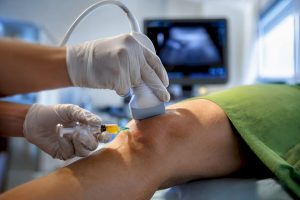
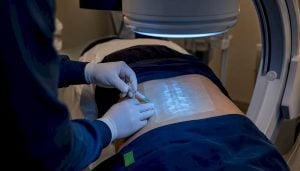
When these triggers appear, interventional options serve as escalation tools, not replacements for rehabilitation. A corticosteroid injection can reduce acute inflammation enough to allow renewed progressive loading. Image-guided joint injections improve precision. PRP (platelet-rich plasma) and regenerative therapies are appropriate adjuncts for select patients where tissue-level repair is a goal alongside functional recovery. Orthopedic referral is warranted when structural failure is confirmed.
The key framing: an injection that reduces pain by 40% is only useful if it returns you to a progressive exercise program. Without that follow-through, the benefit is temporary.
Pro Tip: When deciding between a short-term corticosteroid injection and a regenerative pathway like PRP, the relevant factors are your timeline, your functional deficits, and your long-term goals. A patient who needs to return to high-demand activity within months may be a better candidate for a regenerative approach that supports tissue repair rather than one that primarily suppresses inflammation.
You can read more about advanced knee care strategies and how escalation decisions are made in practice.
How do you choose the right rehab program and clinic?
The single best predictor of a program’s success is not its equipment but its structure: a longitudinal pathway with baseline measurement, scheduled reassessment, and explicit discharge goals. Use this checklist when evaluating any program.
Verify before you commit:
- Structured reassessment at defined intervals (not just “as needed”)
- Specific outcome measures tracked and shared with you
- Credentialed staff: licensed PT, physiatrist or PM&R physician, board-certified pain specialist
- Multidisciplinary access (nutrition, behavioral health, interventional pain if needed)
- Supervised or group-based model rather than unsupervised home program only
Questions to ask on first contact:
- How long is the program, and how many sessions per week?
- What outcome measures do you track, and when do you reassess?
- Do you provide a home exercise program with coaching?
- What is your escalation pathway if I plateau?
- What does a typical patient with my condition achieve in 12 weeks?
Red flags to avoid: vague treatment plans with no measurable goals, heavy reliance on passive modalities (ultrasound, massage) as primary care, pressure for high-cost procedures before completing a supervised exercise trial, and no clear discharge criteria.
On cost and insurance: most commercial insurance plans cover supervised physical therapy for joint conditions, typically requiring a physician referral. Program durations of 8–12 weeks at two to three sessions per week are standard. Out-of-pocket costs vary by plan and provider; ask specifically about co-pays per visit and whether regenerative options (PRP, biologics) are covered, as these are often cash-pay.
What outcomes and timelines should you realistically expect?
Noticeable improvements in pain and daily function often appear within 4–8 weeks of consistent, supervised exercise. Clinically important gains, meaning changes large enough to affect how you move and feel day to day, typically require 8–12 weeks with good adherence.
Common recovery patterns:
- Early responders (weeks 2–4): Pain with activity decreases, sleep improves, morning stiffness shortens
- Steady progressors (weeks 4–8): Measurable strength gains, improved timed tests, reduced reliance on pain medication
- Plateau pattern (weeks 6–10): Progress stalls, often due to residual inflammation or underloading; this is when escalation decisions are made
- Post-surgical patients (e.g., after knee replacement): Early mobilization within hours to a day correlates with better range-of-motion outcomes; outpatient PT often begins the day after discharge
Many patients come in after trying passive treatments for months without measurable progress. Once they enter a structured, progressive program, the trajectory changes. The patient who adds a targeted injection to break a pain flare and then re-engages with loading often achieves more in the following six weeks than in the prior six months.
Maintenance matters. After discharge, periodic check-ins and a sustained home exercise routine are the primary tools for preventing relapse. Long-term pain management requires ongoing self-management, not just an acute treatment episode.
How Nortexspineandjoint structures joint rehab and why it fits the evidence
Nortexspineandjoint’s approach to joint rehabilitation maps directly to the evidence-based criteria described above. The clinic operates as a multidisciplinary pain management and regenerative medicine practice in North Dallas, integrating supervised physical rehabilitation, PRP and biologic injections, guided joint injections, shockwave therapy, Class IV laser, EMTT, and nutritional support within a single coordinated pathway.
Patient journey from first contact to discharge:
- Intake assessment: Pain VAS/NRS, functional testing, review of prior imaging and treatment history
- Individualized plan: Progressive exercise prescription matched to baseline function, with home program coaching
- Reassessment schedule: Defined check-ins at 4–6 weeks and 8–12 weeks with objective scoring
- Escalation triggers: Clear criteria for adding PRP, biologic injections, or specialist referral if progress stalls
- Discharge to self-management: Supported home program with periodic follow-up
What to bring to your first visit:
- List of current medications and supplements
- Prior imaging reports (X-ray, MRI)
- Notes from previous physical therapy or pain management
- A written symptom timeline (when pain started, what worsens or relieves it)
- Insurance card and referral if required by your plan
Nortexspineandjoint’s regenerative medicine services are positioned as escalation tools within the rehab pathway, not as first-line replacements for exercise-based care.
Key Takeaways
Evidence-based joint rehab requires supervised progressive exercise, standardized outcome measurement, and a structured escalation pathway — programs without all three tend to produce temporary relief rather than lasting functional recovery.
| Point | Details |
|---|---|
| Exercise is the foundation | Supervised progressive resistance and aerobic exercise produces clinically important gains by 8–12 weeks with consistent adherence. |
| Measure to manage | Programs must track VAS/NRS, WOMAC, and timed function tests at baseline and at scheduled reassessments to guide decisions. |
| Weight loss amplifies outcomes | Targeting 5–7.5% body weight loss produces measurable symptomatic improvement in knee OA alongside exercise. |
| Escalation enables rehab | Injections and regenerative options like PRP are tools to restore your capacity for progressive loading, not substitutes for it. |
| Nortexspineandjoint | Offers a multidisciplinary, regenerative-enabled rehab pathway in North Dallas with structured assessment, PRP escalation, and supervised physical rehabilitation. |
A clinician’s perspective on what actually moves the needle
Most patients who walk through the door have already tried something: a few weeks of physical therapy, a cortisone shot, maybe a brace. The treatments were not wrong, but they were incomplete. What was missing was structure — a baseline measurement, a progression plan, and a clear answer to the question “how will we know if this is working?”
The patients who do best are not necessarily the ones with the least damage on their MRI. They are the ones who commit to a progressive loading program and return for reassessment. When someone plateaus, the clinical decision is rarely dramatic: reduce the inflammation with a targeted injection, give the tissue two to three weeks to settle, and return to loading. That sequence, repeated deliberately, is what produces durable improvement.
Timelines are honest, not discouraging. Eight to twelve weeks is a realistic window for meaningful functional change. Some patients feel better at four weeks; others need an adjunct at week eight before they turn the corner. Neither pattern is a failure. The failure is stopping before the program has had a genuine chance to work.
If you have been managing joint pain reactively, the most useful thing you can do is find a program that measures where you start and holds itself accountable to where you end up.
Ready to start your joint rehab evaluation at Nortexspineandjoint?
Chronic joint pain that has not responded to passive treatments or brief therapy courses often needs a more structured, measurable approach. Nortexspineandjoint provides exactly that: a coordinated intake assessment, an individualized progressive rehab plan, and access to PRP therapy and other regenerative options as escalation tools when the clinical picture calls for them.
When you call or book online, the intake team will walk you through insurance coverage, discuss your symptom history, and schedule your baseline assessment. Bring your imaging reports, prior PT notes, and medication list. The first visit focuses on measurement and planning, not on selling you a procedure.
To schedule your evaluation, visit Nortexspineandjoint’s treatments page or call the North Dallas clinic directly.
This article provides general educational information about joint rehabilitation and is not a substitute for individualized medical advice. Consult a qualified clinician to confirm which program and escalation pathway are appropriate for your specific condition.
Useful sources and clinical guidelines
The following sources informed the clinical claims and program criteria in this article:
- AHRQ: Arthritis Knee Physical Therapy Evidence Review — Primary guideline evidence for conservative management of knee OA; supports exercise-first recommendations.
- MDPI Delphi Consensus on OA Rehabilitation Pathway — Expert consensus defining a five-phase, function-centered pathway with outcome-guided escalation.
- Best Evidence Rehabilitation for Chronic Pain Part 5: Osteoarthritis (MDPI) — Evidence review supporting combined exercise, education, and weight management for knee and hip OA.
- Fundamentals of Osteoarthritis: Rehabilitation (ScienceDirect) — Review of supervised versus unsupervised program outcomes and adherence factors.
- Interventional Options as Escalation Tools (PMC) — Evidence framing injections and regenerative therapies as escalation rather than first-line care.
- Cleveland Clinic: What to Expect After Knee Replacement — Institutional guidance on early mobilization and post-surgical rehab timing.
FAQ
What type of physical therapy works best for arthritis?
Supervised, progressive resistance and aerobic exercise is the most consistently evidence-supported approach for knee and hip arthritis, with measurable improvements in pain and function when delivered over 8–12 weeks. Aquatic therapy and manual therapy can reduce pain enough to improve exercise participation but are most effective as adjuncts rather than primary treatments.
Where should you go if you have joint pain that isn’t improving?
Start with a structured evaluation at a multidisciplinary clinic that tracks objective outcome measures (VAS/NRS, WOMAC) and offers both supervised rehabilitation and escalation options such as guided injections or PRP. Nortexspineandjoint in North Dallas provides this coordinated pathway for patients who have not responded to passive or unstructured care.
Where should you go for rehab after a knee replacement?
Early outpatient physical therapy, often beginning the day after discharge, is the standard recommendation after knee replacement. Your surgeon will typically refer you to an outpatient PT program; if inpatient rehab is needed, insurance eligibility is determined at discharge based on functional status.
How long does a quality joint rehab program take?
Most evidence-based programs run 8–12 weeks at two to three supervised sessions per week, with a home exercise component. Clinically important improvements in pain and function are typically measurable by week 8 with consistent adherence, though some patients require an additional escalation step before achieving that threshold.
Which states have the best rehab facilities for joint pain?
Facility quality depends more on program structure, staff credentials, and outcome measurement practices than on geography. In Texas, clinics offering multidisciplinary care with physiatrists, licensed PTs, and integrated regenerative options, such as Nortexspineandjoint in North Dallas, meet the evidence-based criteria that define a high-quality joint rehabilitation program.