
Chronic knee pain is defined as knee pain lasting more than three months, and it affects a significant portion of adults across the United States. The causes of chronic knee pain range from degenerative joint disease and overuse injuries to inflammatory conditions and nervous system sensitization. Osteoarthritis is the single most common cause, but it is far from the only one. Understanding what is driving your pain is the first step toward choosing a treatment that actually works, rather than managing symptoms indefinitely.
What are the main causes of chronic knee pain?
Chronic knee pain is not a diagnosis. It is a symptom with multiple possible sources, and identifying the correct one determines everything about how it should be treated. Chronic pain is defined as pain lasting more than three months, though most orthopedic specialists recommend evaluation after six weeks if you have swelling, instability, or significant functional limitations. Waiting too long often allows the underlying condition to progress.
The four primary categories of long-term knee pain sources are:
- Degenerative conditions: Osteoarthritis, the most prevalent cause in adults over 50
- Traumatic and overuse injuries: Meniscus tears, ligament sprains, patellofemoral pain syndrome, and tendinitis
- Inflammatory and autoimmune conditions: Rheumatoid arthritis, bursitis, and related systemic diseases
- Nervous system sensitization: Nociplastic pain, where the nervous system amplifies pain signals beyond what tissue damage alone would explain
Each category produces distinct symptom patterns. Recognizing which category fits your experience helps you and your clinician narrow down the diagnosis quickly.
What is osteoarthritis and how does it cause chronic knee pain?
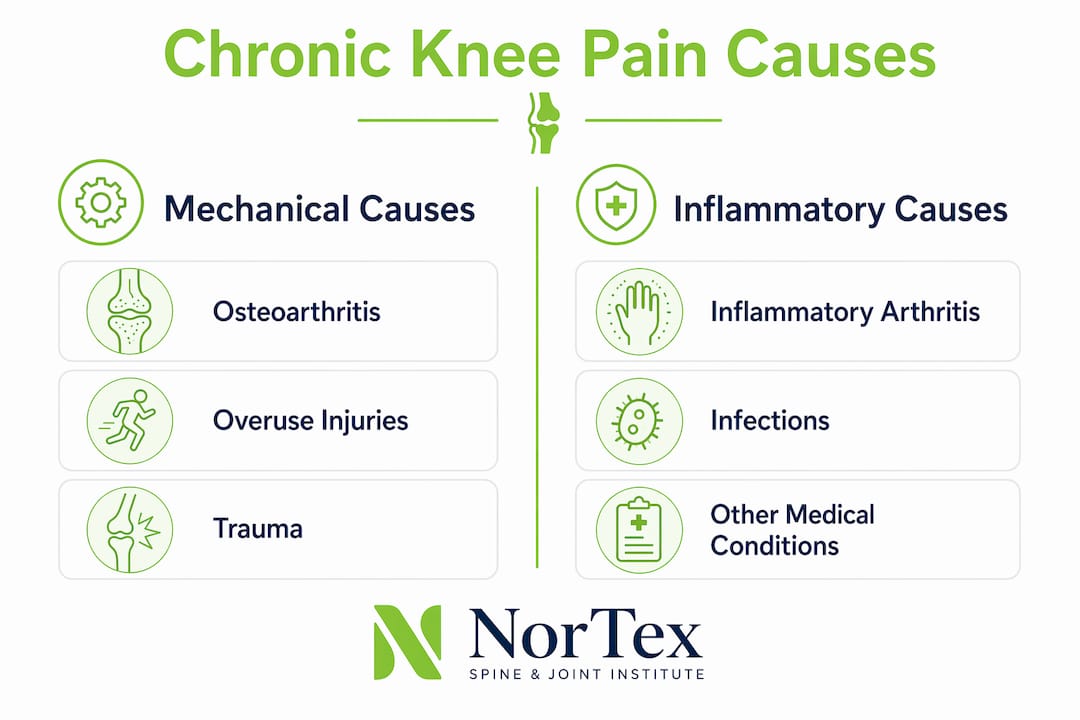
Osteoarthritis is the gradual breakdown of articular cartilage, the smooth tissue that cushions the ends of bones inside the knee joint. As cartilage wears away, the joint space narrows, bones begin to contact each other more directly, and the surrounding tissue becomes inflamed. The result is a deep, aching pain that worsens with activity and often improves briefly with rest, only to return.
Osteoarthritis affects over 365 million people globally, and approximately 25% of U.S. adults experience significant knee problems. That scale reflects how common this condition is, yet many patients still arrive at the clinic believing their pain is simply a normal part of aging. It is not inevitable, and it is treatable.
Key symptoms of knee osteoarthritis include:
- Morning stiffness that typically resolves within 30 minutes
- A deep ache localized to the inner or front of the knee
- Swelling after prolonged activity
- A grinding or crunching sensation during movement
- Gradual loss of full range of motion
Biomechanics play a larger role than most patients realize. Muscle imbalances, altered gait patterns, and prior injuries all accelerate cartilage wear. Adults over 50 are most commonly affected by osteoarthritis, but younger patients with prior knee injuries or high-impact activity histories can develop it earlier.
Pro Tip: If your knee stiffness resolves within 30 minutes of waking and worsens through the day with activity, osteoarthritis is the more likely cause. Stiffness lasting longer than 30 minutes points toward an inflammatory condition and warrants a different diagnostic approach.
| Feature | Osteoarthritis | Inflammatory Arthritis |
|---|---|---|
| Morning stiffness duration | Under 30 minutes | Over 30 minutes |
| Pain pattern | Worsens with activity | Present at rest and with activity |
| Age of onset | Typically over 50 | Any age |
| Swelling type | Bony, gradual | Soft, warm, rapid |
How do injuries and overuse cause chronic knee pain?
Traumatic and overuse injuries are the leading knee pain sources in younger and physically active adults. A single event, like a twisting fall during sports, can tear the meniscus or sprain a ligament. Left untreated or undertreated, these injuries transition from acute pain into chronic, persistent discomfort.
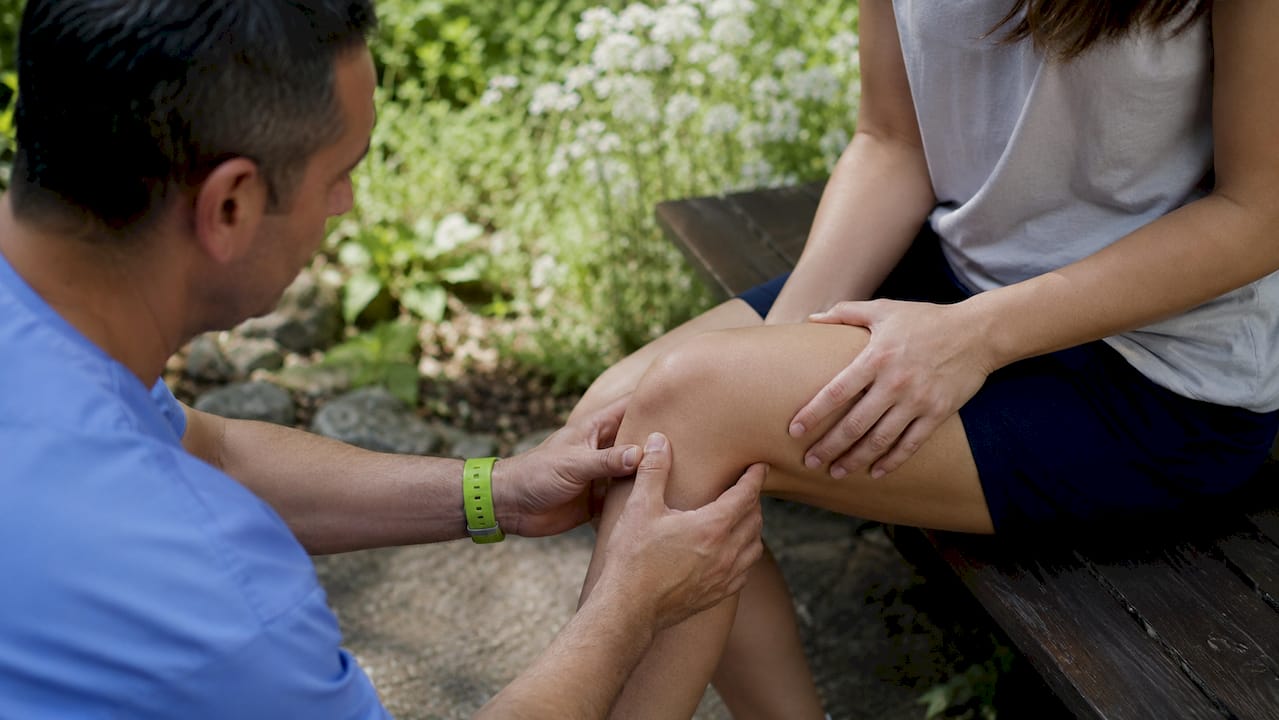
Meniscus tears cause mechanical symptoms such as locking, catching, and pain with deep bending, particularly after twisting injuries. These symptoms are distinct from the dull ache of arthritis. When your knee locks mid-movement or catches unexpectedly during a step, that mechanical pattern strongly suggests a structural tear rather than a degenerative process.
Overuse conditions develop more gradually. Patellofemoral pain syndrome, sometimes called runner’s knee, produces pain behind or around the kneecap that worsens with stairs, squatting, or prolonged sitting. Patellar tendinitis, common in athletes who jump frequently, creates pain just below the kneecap that intensifies with loading. Both conditions share a common thread: repetitive stress on tissue that has not had adequate time to recover.
Common overuse and injury-related conditions include:
- Patellofemoral pain syndrome: Front knee pain worsened by stairs and squatting
- Patellar tendinitis: Pain at the base of the kneecap, especially with jumping
- Iliotibial band syndrome: Outer knee pain in runners and cyclists
- Medial collateral ligament sprains: Inner knee pain after lateral impact
- Meniscus tears: Locking, catching, or joint-line pain after twisting
Early diagnosis matters significantly here. Symptom patterns like locking versus aching help distinguish overuse syndromes from structural pathologies, which directly affects whether physical therapy, injections, or surgical consultation is the right next step.
Pro Tip: Track whether your pain is mechanical (locking, giving way, sharp with specific movements) or constant and aching. That single distinction helps your clinician prioritize imaging and treatment far more efficiently than describing pain intensity alone.
What inflammatory and other medical conditions contribute to chronic knee pain?
Inflammatory arthritis differs from osteoarthritis in a clinically important way. Osteoarthritis is a mechanical, wear-related condition. Rheumatoid arthritis is an autoimmune disease in which the immune system attacks the joint lining, causing inflammation, pain, and eventual joint destruction. The two conditions require entirely different treatment strategies.
Prolonged morning stiffness lasting over 30 minutes is a clinical red flag for inflammatory arthritis rather than mechanical osteoarthritis. This distinction matters because treating inflammatory arthritis with physical therapy alone, without addressing the underlying immune response, produces limited results. Rheumatoid arthritis also tends to affect multiple joints symmetrically, so bilateral knee pain combined with hand or wrist involvement warrants rheumatologic evaluation.
Other inflammatory conditions that contribute to chronic knee pain include:
- Bursitis: Inflammation of the fluid-filled sacs (bursae) cushioning the knee, causing localized tenderness and swelling, often at the front or inner side of the joint
- Gout: Uric acid crystal deposits in the joint, producing sudden, severe pain and warmth
- Psoriatic arthritis: Joint inflammation associated with psoriasis, often affecting the knees and ankles
- Reactive arthritis: Joint inflammation triggered by an infection elsewhere in the body
- Septic arthritis: A bacterial joint infection requiring urgent medical treatment
Red flags that require prompt evaluation include a hot, rapidly swollen joint with fever, sudden severe pain without injury, or significant joint instability. These presentations go beyond chronic pain management and need urgent assessment to rule out infection or acute structural failure. Recognizing signs of joint inflammation early can prevent serious joint damage.
How does the nervous system affect chronic knee pain?
Not all persistent knee pain reflects ongoing tissue damage. The nervous system can remain hypersensitive long after an injury has structurally healed, a phenomenon called nociplastic pain. Understanding this mechanism is one of the most clinically important shifts in chronic pain management over the past decade.
The nervous system can stay hypersensitive after injury, producing chronic pain even when structural healing is complete. The brain, in effect, learns a pain pattern and continues generating that signal even without active tissue damage. This explains why some patients report significant pain despite imaging that shows only mild or moderate changes, and why others with severe imaging findings report minimal discomfort.
“Patients often misunderstand pain to mean damage. Longstanding pain may reflect learned pain patterns that require a different treatment approach, one focused on calming the nervous system rather than repairing tissue.” — adapted from VA chronic pain education resources
This has direct treatment implications. Effective chronic pain treatment often involves addressing the nervous system’s role by helping it recalibrate, not just treating joint damage. Approaches like graded activity, pain neuroscience education, and certain regenerative therapies work partly through this mechanism. Reading about pain management for lasting relief can help you understand how these approaches fit together.
Pro Tip: If your imaging results do not match your pain level, do not dismiss your symptoms. A mismatch between structural findings and pain intensity is a recognized clinical pattern, and it points toward nervous system involvement that responds well to targeted, non-surgical care.
How to interpret symptoms and when to seek specialist evaluation
Knowing where your knee hurts provides meaningful diagnostic information before you ever see a clinician. Pain behind the kneecap typically indicates patellofemoral disorders, while pain along the inner or outer joint line correlates with meniscus pathology or ligament involvement. Front knee pain with activity in a younger adult points toward overuse. Deep, diffuse aching in an older adult points toward osteoarthritis.
The following symptom patterns warrant specialist evaluation rather than continued self-management:
- Swelling that does not resolve within 48–72 hours after activity
- Knee locking or giving way during normal walking
- Pain that wakes you from sleep consistently
- Significant loss of range of motion over weeks
- Pain that has not improved after six weeks of rest and conservative care
Imaging plays a supporting role, not a defining one. X-rays reveal bone changes and joint space narrowing consistent with osteoarthritis. MRI provides detail on soft tissue structures including the meniscus, ligaments, and cartilage. Neither test replaces a thorough clinical examination. Many patients arrive having already had imaging but without a clear explanation of what the findings mean for their specific symptoms. Preparing for your first specialist visit with a clear description of your symptom pattern, location, and triggers makes that consultation significantly more productive.
| Symptom | Likely cause | Urgency |
|---|---|---|
| Pain behind kneecap with stairs | Patellofemoral syndrome | Routine evaluation |
| Joint-line pain after twisting | Meniscus tear | Prompt evaluation |
| Diffuse aching, morning stiffness under 30 min | Osteoarthritis | Routine evaluation |
| Stiffness over 30 min, bilateral joints | Inflammatory arthritis | Prompt evaluation |
| Hot, swollen joint with fever | Septic arthritis | Urgent evaluation |
Persistent pain that limits daily activities is not a normal part of aging and should prompt early evaluation to preserve joint function. Waiting until pain becomes severe often means more tissue damage has accumulated and treatment options become more limited.
Key takeaways
The most effective approach to chronic knee pain starts with identifying the correct cause, because osteoarthritis, overuse injuries, inflammatory conditions, and nervous system sensitization each require a different treatment strategy.
| Point | Details |
|---|---|
| Chronic knee pain has four main causes | Osteoarthritis, overuse injuries, inflammatory arthritis, and nervous system sensitization each need different treatment. |
| Morning stiffness duration is a key diagnostic clue | Stiffness under 30 minutes suggests osteoarthritis; over 30 minutes points to inflammatory arthritis. |
| Pain location guides diagnosis | Front knee pain suggests patellofemoral issues; joint-line pain suggests meniscus or ligament pathology. |
| Nervous system sensitization is real and treatable | Persistent pain after structural healing reflects nociplastic pain, which responds to nervous system-focused care. |
| Early evaluation preserves options | Seeking specialist care after six weeks of significant symptoms prevents further joint damage and expands treatment choices. |
What I’ve learned treating chronic knee pain over years of practice
Many patients who come to see us have already tried rest, over-the-counter anti-inflammatories, and perhaps a round of physical therapy. They arrive frustrated, not because those approaches are wrong, but because they were applied without a clear diagnosis. Treating knee pain generically, without knowing whether the source is cartilage degeneration, a meniscus tear, or nervous system sensitization, is like prescribing the same medication for every type of headache. It works occasionally, but not reliably.
The most common misconception I encounter is that pain equals damage. Patients assume that if they still hurt, something must still be broken. That is not always true. Nociplastic pain is real, it is measurable in clinical terms, and it requires a fundamentally different approach than structural repair. When I explain this to patients, many feel relief rather than frustration. It means their pain has an explanation and a treatment path, even when imaging looks relatively normal.
The other pattern I see regularly is delayed evaluation. Adults tend to tolerate knee pain for months or years before seeking care, often because they assume surgery is the only option. The reality is that the majority of chronic knee pain conditions respond well to non-surgical approaches, including regenerative therapies like platelet-rich plasma, targeted rehabilitation, and nervous system-focused pain management. The earlier these are applied, the better the outcomes tend to be.
My practical advice: do not wait until the pain is unbearable. Come in when it starts limiting what you want to do. That is the window where conservative care has the most to offer, and where we can genuinely change the trajectory of the condition rather than just manage it.
— Felix
Advanced non-surgical care for chronic knee pain at Nortexspineandjoint
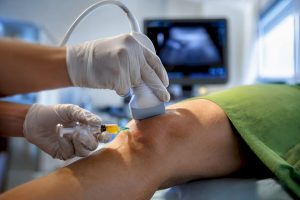
Nortexspineandjoint offers PRP therapy for knee pain as a non-surgical treatment that uses your body’s own growth factors to reduce inflammation and support tissue repair. Platelet-rich plasma injections are particularly well-suited for patients with osteoarthritis, tendinitis, and partial soft tissue injuries who want to avoid surgery or delay joint replacement. For patients whose condition warrants a broader approach, regenerative medicine options including stem cell therapy are also available. Nortexspineandjoint serves patients across Allen, Garland, McKinney, and Plano, Texas, with personalized treatment plans built around your specific diagnosis, not a one-size-fits-all protocol. If you have been living with knee pain for more than six weeks, a specialist consultation is a reasonable and productive next step.
FAQ
What is chronic knee pain?
Chronic knee pain is knee pain that persists for more than three months. It differs from acute pain in that it typically reflects an underlying structural or systemic condition rather than a healing injury.
What is the most common cause of chronic knee pain in adults?
Osteoarthritis is the most common cause, particularly in adults over 50. It results from cartilage breakdown inside the knee joint and produces a deep aching pain that worsens with activity.
Can chronic knee pain occur without structural damage?
Yes. Nociplastic pain occurs when the nervous system remains sensitized after an injury has healed, producing persistent pain without active tissue damage. This pattern is well-recognized clinically and responds to nervous system-focused treatment approaches.
How do I know if my knee pain needs imaging?
Imaging is warranted when you have swelling, instability, locking, or pain that has not improved after six weeks of conservative care. X-rays assess bone and joint space; MRI provides detail on soft tissue structures like the meniscus and ligaments.
When should I see a specialist for knee pain?
See a specialist if your knee pain has lasted more than six weeks, limits daily activities, involves swelling or instability, or wakes you from sleep. Early specialist evaluation preserves more treatment options and prevents further joint damage.
Recommended
- Common Causes of Joint Pain: What Adults Need to Know
- Causes of Knee Pain – Nortex | Pain Management | Allen, Garland, McKinney & Plano Texas
- What to Expect During a Knee Pain Specialist Consultation – Nortex | Pain Management | Allen, Garland, McKinney & Plano Texas
- Understanding Common Knee Pain Conditions: A Specialist’s Insight – Nortex | Pain Management | Allen, Garland, McKinney & Plano Texas