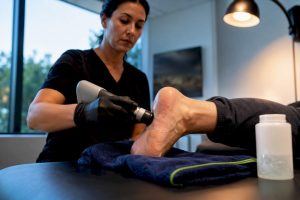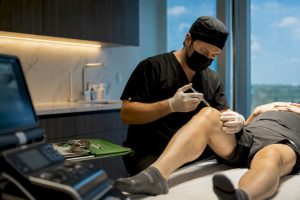

Whether you qualify as a PRP candidate depends on one thing above all else: whether your specific diagnosis, whether it’s a tendon injury, an arthritic joint, or thinning hair, has a treatable target that PRP’s biology can plausibly reach. A clear diagnosis, a history of appropriate conservative care, and no active infection or bleeding disorder are the baseline. Beyond that, a hands-on evaluation with your physician is the only way to know for certain.
TL;DR:
- PRP preparations vary significantly in platelet concentration, leukocyte content, and activation methods, which influence treatment effectiveness.
- Good candidates have a clear, focal diagnosis confirmed by imaging, a history of failed conservative care, and no active infections or bleeding disorders.
- Patients with active infections, severe blood disorders, advanced joint destruction, or unrealistic expectations should avoid PRP therapy.
- Most see gradual improvements over several months, with scalp treatments taking three to six months or longer for visible results.
- Diagnostic imaging and blood tests are essential steps before treatment, ensuring personalized, appropriate use of PRP.
Table of Contents
- What Makes Someone a PRP Candidate in the First Place?
- Which Conditions Does PRP Actually Treat?
- What Makes a Patient a Good Candidate for PRP?
- Who Should Not Get PRP Injections?
- How Long Does PRP Take to Work, and What Should You Expect?
- How Do Clinics Actually Determine If You’re a Candidate?
- A Clinician’s View on Setting Realistic PRP Expectations
- How Nortex Spine and Joint Evaluates PRP Candidates
- Sources
- FAQ
What Makes Someone a PRP Candidate in the First Place?
Before you can figure out if you’re a PRP candidate, you need to understand what’s actually going into the syringe and why the preparation matters as much as the injection itself.
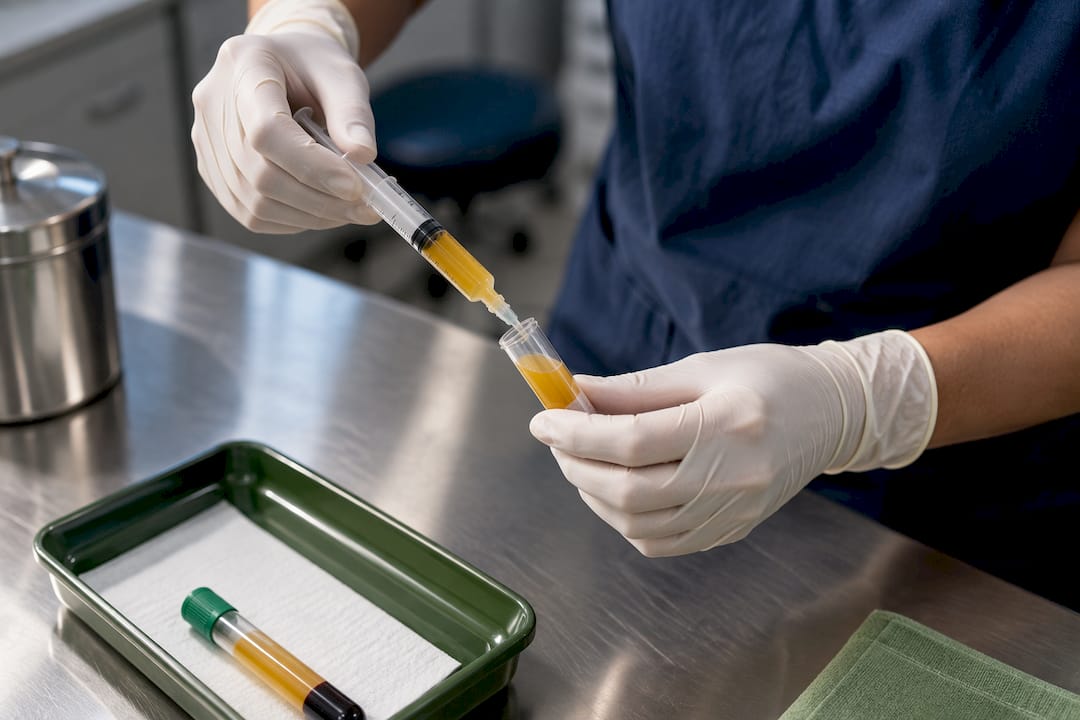
PRP is autologous, meaning it comes from your own blood. We draw a small sample, usually a small sample of blood drawn, with volumes varying among clinics, and spin it in a centrifuge to separate red blood cells from the platelet-rich fraction. That fraction gets concentrated and, in some protocols, “activated” with calcium chloride or thrombin before injection to trigger platelet degranulation and release growth factors sooner.
Here’s what varies from clinic to clinic, and why it matters when you’re comparing treatment options:
- Platelet concentration: some kits yield two to three times baseline platelet counts, others go higher.
- Leukocyte content: leukocyte-rich versus leukocyte-poor PRP behaves differently in inflamed tissue.
- Activation method: activated versus non-activated PRP releases growth factors on a different timeline.
- Injection guidance: ultrasound-guided delivery versus a blind injection changes accuracy.
This variability is exactly why two clinics can promise “PRP for tendon pain” and deliver meaningfully different treatments. Understanding how PRP promotes healing at the biological level helps explain why protocol details, not just the label “PRP,” drive results.
Which Conditions Does PRP Actually Treat?
PRP shows up in treatment plans for a wide range of conditions, but the strength of evidence behind each use varies quite a bit. You should know where your specific issue falls before assuming candidacy.
- Tendinopathies: chronic tendon conditions like tennis elbow or Achilles tendinopathy are among the most studied uses, though a large meta-analysis of 33 randomized trials found the evidence too heterogeneous to routinely recommend PRP across the board.
- Early osteoarthritis and partial tears: some patients respond well, particularly with focal, early-stage damage rather than widespread joint degeneration.
- Androgenetic alopecia (pattern hair loss): this is where PRP has its strongest clinical footing among scalp treatments, with several studies showing improved hair density and thickness.
- Skin and aesthetic uses: cosmetic applications, including skin rejuvenation, remain an active area of research with mixed, less mature evidence.
- Post-surgical and adjunctive roles: PRP sometimes supports healing after certain orthopedic procedures, used alongside, not instead of, standard care.
What Makes a Patient a Good Candidate for PRP?
This is where clinical judgment does the real work, and it’s also where I see the most confusion walk through the door. Patients often assume PRP is a general-purpose fix for “pain,” when candidacy actually depends on matching the therapy to a specific, confirmed diagnosis.
Here’s roughly how we work through it:
- Confirm the diagnosis first. Before anyone discusses PRP, we need to know exactly what’s generating the pain or driving the hair loss, through physical exam and imaging when appropriate. Injecting the wrong tissue wastes time and money without addressing the underlying problem, a point the international GRIIP consensus on musculoskeletal PRP use emphasizes directly.
- Look for a focal, early-to-moderate lesion. Localized tendon damage or joint changes visible on imaging tend to respond better than diffuse, advanced degeneration.
- Confirm a history of failed conservative care. Most candidates have already tried physical therapy, activity modification, or oral anti-inflammatories without full relief.
- For hair loss, confirm viable but miniaturizing follicles. Pattern hair loss with follicles that are shrinking but still alive responds better than areas with established scarring alopecia, which needs a dermatology workup before anything else.
- Check general medical qualifiers. Acceptable platelet counts, well-controlled chronic conditions, and no active infection at the treatment site are non-negotiable baseline requirements.
Many patients come in after months of trying multiple treatments, physical therapy, over-the-counter medications, sometimes a cortisone shot, still frustrated by persistent symptoms. That history actually helps us. It tells us the condition is chronic enough that a regenerative approach might make sense, and it sets realistic expectations that PRP is a next step, not a first-line miracle.
Pro Tip: Ask your provider what specific imaging or lab work they’ll use to confirm your diagnosis before they discuss PRP. If a clinic offers PRP without any diagnostic workup, that’s a red flag, not a shortcut.
Who Should Not Get PRP Injections?
Candidacy has firm boundaries, and it’s worth being direct about them rather than glossing over the exceptions.
- Active infection, local or systemic, at or near the treatment site rules out PRP until it’s resolved.
- Active cancer near the injection site, or a recent, uncontrolled malignancy without oncology sign-off, is a contraindication the GRIIP consensus specifically flags.
- Severe thrombocytopenia or bleeding disorders, along with anticoagulation therapy that hasn’t been cleared with a specialist, raise the risk profile significantly.
- End-stage osteoarthritis, where the joint space is essentially gone, usually responds better to joint replacement than to a regenerative injection.
- HIV, hepatitis C, active blood cancers, and skin cancer at the treatment site are conditions the American Academy of Dermatology lists as reasons PRP isn’t recommended.
- Mismatched expectations (expecting a guaranteed cure) or a wrong diagnosis (referred pain from a different structure entirely) aren’t medical contraindications, but they’re just as disqualifying in practice.
How Long Does PRP Take to Work, and What Should You Expect?
Timelines differ substantially depending on what you’re treating, and this is where a lot of patient frustration comes from when expectations don’t match biology.
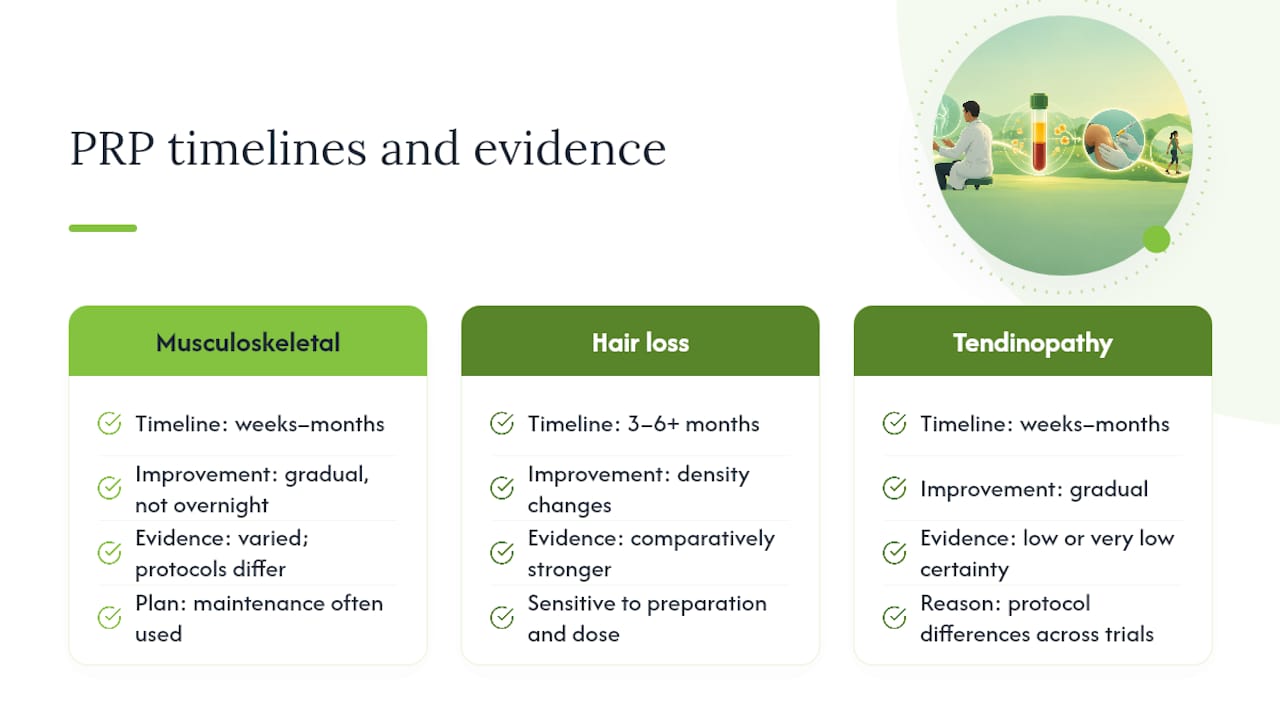
For musculoskeletal conditions, most patients notice gradual improvement over several weeks to a few months, not overnight relief. Scalp treatment for hair loss moves slower still. Meaningful changes in density typically take three to six months or longer, and maintenance injections are often part of the plan rather than a one-time fix.
Evidence quality varies by condition, which is part of why outcomes vary too. Reviews of tendinopathy studies often describe the certainty of evidence as low or very low, largely because of protocol differences across trials. Hair loss evidence is comparatively stronger but still sensitive to how the PRP was prepared and dosed. Side effects are usually mild and short-lived, injection-site soreness, temporary swelling, occasional bruising. Serious adverse events are rare with autologous PRP specifically, and most of the alarming reports you might come across involve unapproved cell-based products, not standard PRP drawn from your own blood, according to FDA consumer guidance. Clinics that pair PRP with a structured rehab plan and a realistic maintenance schedule tend to report better functional outcomes than clinics treating it as a standalone quick procedure. Reading through the pros and cons of PRP injections before your consultation can help you walk in with the right questions.
How Do Clinics Actually Determine If You’re a Candidate?
A responsible evaluation isn’t a five-minute conversation. It starts with a focused exam targeting the specific joint, tendon, or scalp area in question, often supported by point-of-care ultrasound or MRI when the diagnosis isn’t obvious from history and exam alone.
We also review your medications and bleeding risk carefully, ordering a CBC or platelet count when your history suggests any hematologic concern. If something in that review points toward a more complex issue, active malignancy, an unexplained bleeding tendency, an unresolved infection, we involve the right specialist, whether that’s oncology, infectious disease, or hematology, before any injection happens.
- Confirm diagnosis through exam and imaging
- Review medications and bleeding risk
- Order labs when history warrants it
- Loop in specialists for complex cases
- Discuss alternatives, costs, and realistic outcomes together
Pro Tip: Bring a list of prior treatments, including physical therapy notes and imaging reports, to your first visit. It speeds up the diagnostic process and gives your physician a clearer picture of what’s already been tried.
A Clinician’s View on Setting Realistic PRP Expectations
Most patients I evaluate for PRP have already spent months in conservative care, physical therapy, bracing, sometimes a steroid injection, before we have this conversation. That history matters. It tells me the condition is genuine and persistent, not something that will resolve with a few more weeks of rest.
We offer PRP when the diagnosis is clear and expectations are grounded, not as a substitute for rehab but as a complement to it. Patients who understand it’s one part of a broader plan, not a standalone fix, tend to be the ones happiest with their results months later.
— Felix
How Nortex Spine and Joint Evaluates PRP Candidates
If you’re weighing PRP against other conservative or advanced options, Nortex Spine and Joint approaches candidacy the way this article has laid it out: diagnosis first, evidence-informed expectations second, and a personalized plan built around what’s actually driving your pain. We use focused exams and imaging to confirm the target tissue before recommending PRP therapy, and we’re upfront when a different approach, physical therapy, a different injection, or a surgical referral, makes more sense for your situation.
If you’re ready to find out where you stand, bring your prior imaging, a list of treatments you’ve already tried, and any current medications to your first visit. From there, the path is straightforward: evaluation, a personalized plan, then scheduled treatment if PRP fits your diagnosis. Explore our regenerative medicine options or schedule a consultation to see whether PRP, or one of our other non-surgical treatments, is the right next step for you.
This article is general information, not a substitute for advice from a qualified doctor. Consult a qualified healthcare professional about your own circumstances before acting on anything here.
Sources
- Important patient and consumer information about regenerative medicine therapies | FDA
- Indications and contraindications to platelet‐rich plasma injections in musculoskeletal diseases — GRIIP consensus (PMC)
- Ultrasound-guided injection of platelet-rich plasma for tendinopathies: a systematic review and meta-analysis (PMC)
- Platelet Rich Plasma and Its Use in Hair Regrowth: A Review (PMC)
- Is platelet-rich plasma the secret to younger-looking skin? | AAD
FAQ
Is PRP Safe for Most People?
Autologous PRP, made from your own blood, is generally well-tolerated with mild, short-lived side effects like soreness and bruising. Serious harm is more often tied to unapproved regenerative products rather than standard PRP, according to FDA guidance.
How Do I Know If I’m a Candidate for PRP for My Joint or Tendon Pain?
You’re a stronger candidate if imaging confirms a focal, early-to-moderate lesion and you’ve already tried conservative measures like physical therapy without full relief. A clinician evaluation, sometimes including PRP for chronic knee pain assessment, confirms whether your specific diagnosis fits.
Does PRP Work Differently for Hair Loss Than for Joint Pain?
Yes. Hair loss candidacy depends on having miniaturizing but still-viable follicles, typically seen in early androgenetic alopecia, while joint and tendon candidacy depends on a confirmed, localized structural problem. Scalp results also take longer to appear, often three to six months, compared to musculoskeletal improvement.
Do I Need Tests Before Getting PRP?
Most candidates need at minimum a focused physical exam, and many need imaging like ultrasound or MRI to confirm the diagnosis. A CBC or platelet count is added when your medical history suggests any bleeding or blood disorder risk.
What Disqualifies Someone From PRP Treatment?
Active infection, active cancer near the treatment site, severe blood clotting disorders, and uncontrolled anticoagulation are the clearest disqualifiers, per the GRIIP consensus. End-stage joint degeneration and mismatched expectations about outcomes are practical reasons a clinician may recommend a different treatment path instead.