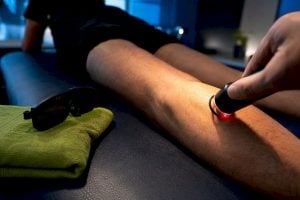

Diagnostics in pain care are defined as the structured process of identifying the underlying causes, mechanisms, and characteristics of a patient’s pain in order to guide targeted, effective treatment. Without accurate diagnosis, even the most advanced therapies risk missing the actual source of the problem. The role of diagnostics in pain care extends well beyond confirming that pain exists. It determines whether pain is neuropathic, inflammatory, central, or psychogenic in origin, and that distinction drives every treatment decision that follows. Tools ranging from validated screening questionnaires like the DN4 and LANSS to MRI imaging, skin biopsies, and psychosocial assessments each contribute a different layer of clinical understanding. At Nortexspineandjoint, this diagnostic-first philosophy is the foundation of every personalized treatment plan.
What diagnostic methods are used to identify pain types and causes?
Accurate pain classification begins with validated screening questionnaires, which are the most accessible and widely recommended first step. The DN4, I-DN4, and LANSS questionnaires are strongly recommended by the 2023 EAN/EPF/IASP guidelines for identifying neuropathic pain. This matters because neuropathic pain, which originates from nerve damage or dysfunction, requires fundamentally different treatment than musculoskeletal or inflammatory pain. PainDETECT is another validated tool frequently used in clinical settings to screen for neuropathic components in conditions like lumbar radiculopathy or fibromyalgia.
Imaging plays a supporting but limited role. MRI and X-ray are valuable for identifying structural contributors such as disc herniation, spinal stenosis, or joint degeneration. However, structural findings on imaging do not always correlate with pain severity or location, which is why imaging alone cannot serve as the sole basis for a treatment plan. Functional neuroimaging helps researchers understand pain mechanisms at the brain level but is not yet validated as a standalone clinical diagnostic tool. This distinction is worth understanding before you assume a clean MRI means your pain is not real or treatable.
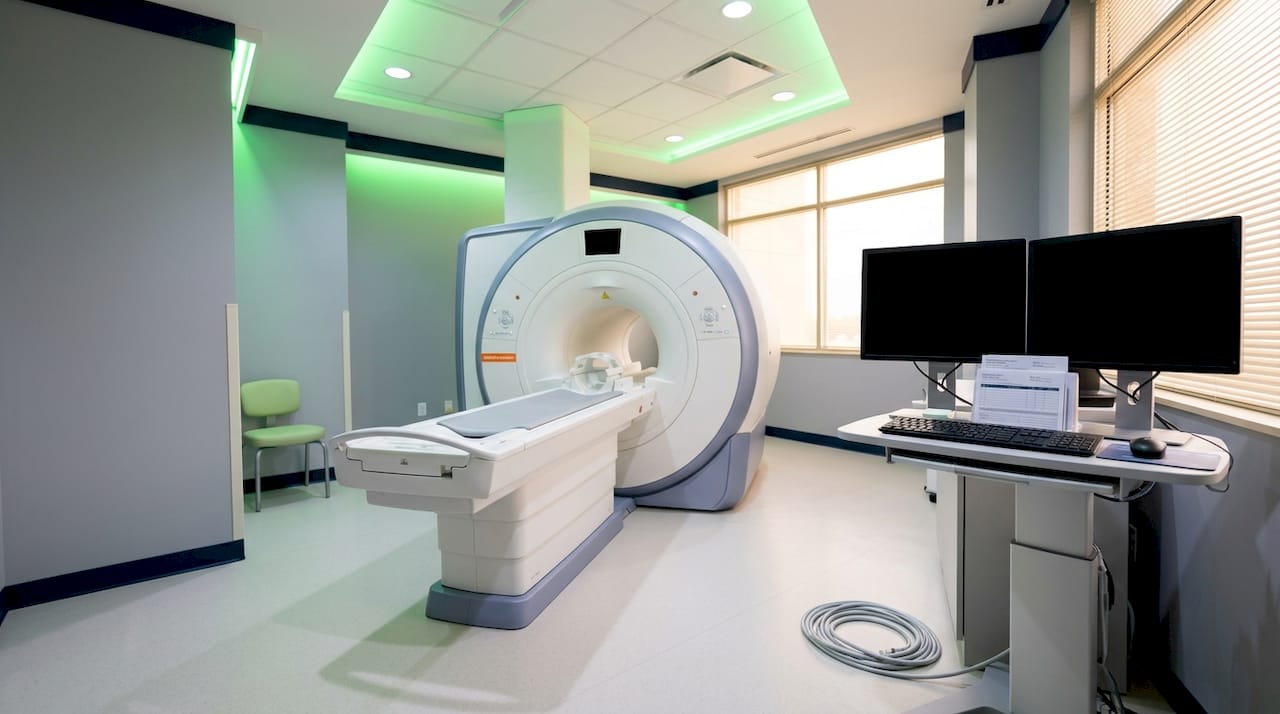
For patients with suspected small-fiber neuropathy, where standard nerve conduction studies return normal results, a skin biopsy becomes the definitive next step. Skin biopsies for small-fiber neuropathy are analyzed in specialized centers and can confirm intraepidermal nerve fiber loss that other tests miss entirely. Quantitative sensory testing (QST) and neurophysiologic assessments add further granularity by measuring how the nervous system processes heat, cold, and pressure stimuli.
Pro Tip: If you have burning, tingling, or electric-shock sensations that standard nerve tests have not explained, ask your clinician specifically about small-fiber neuropathy and whether a skin biopsy is appropriate for your case.
Here is a comparison of the most commonly used diagnostic tools and their primary applications:
| Diagnostic Tool | Best Used For | Key Limitation |
|---|---|---|
| DN4 / LANSS questionnaires | Screening for neuropathic pain | Self-report bias; not confirmatory |
| MRI / X-ray imaging | Structural causes (disc, joint, spine) | Poor correlation with pain intensity |
| Skin biopsy | Small-fiber neuropathy confirmation | Requires specialized lab analysis |
| Quantitative sensory testing | Sensory processing abnormalities | Time-intensive; operator-dependent |
| Nerve conduction studies | Large-fiber nerve damage | Misses small-fiber involvement |
The NeuPSIG diagnostic algorithm classifies neuropathic pain as “possible,” “probable,” or “definite” based on the combination of clinical history, physical signs, and objective test results. This graded system prevents premature conclusions and guides clinicians toward the level of testing actually needed.
How do psychosocial factors and advanced phenotyping improve pain diagnostics?
Physical tests alone do not capture the full picture of chronic pain. Psychosocial factors including anxiety, depression, and fear-avoidance behaviors strongly influence pain perception and must be assessed alongside physical diagnostics. Ignoring these factors leads to treatment plans that address tissue but not the person experiencing the pain.
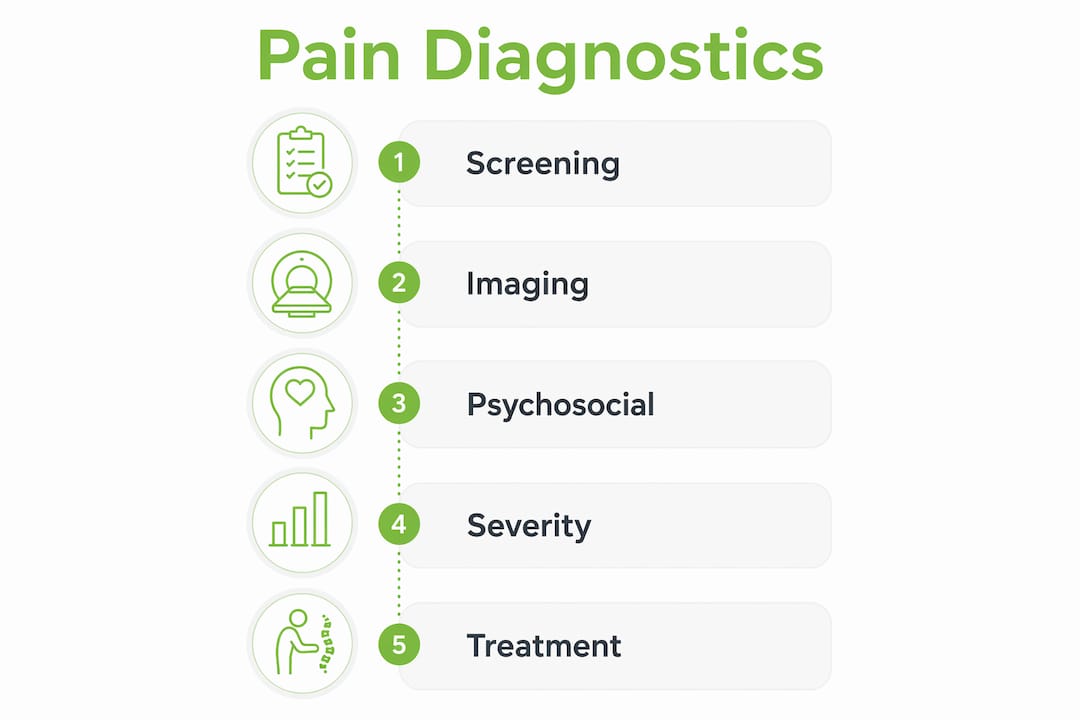
The BS-POP (Brief Screening for Pain-related Psychological Obstacles to Progress) is one validated tool used to capture psychological contributors to pain. When clinicians integrate BS-POP data with PainDETECT scores through machine learning models, neuropathic pain classification accuracy reaches 75.6%. That improvement in accuracy translates directly into fewer misdiagnoses and more targeted treatment selection.
Advanced phenotyping takes this further by grouping patients into distinct biological and psychological clusters rather than treating all chronic pain as a single condition. A 2026 editorial in the International Journal of Spine Surgery confirmed that comprehensive phenotyping spanning clinical, genetic, neuroimaging, and psychological domains reduces the modest average treatment effects commonly seen in heterogeneous chronic pain populations. In practical terms, this means a patient with central sensitization syndrome needs a different treatment path than a patient whose pain is primarily inflammatory or psychogenic.
Here is how a structured phenotyping approach works in clinical practice:
- Gather baseline data. Collect pain history, duration, location, and character using validated questionnaires like DN4 and PainDETECT.
- Add psychological screening. Administer tools like BS-POP or the PHQ-9 to assess depression, anxiety, and catastrophizing.
- Perform physical and neurological examination. Identify sensory abnormalities, motor deficits, and reflex changes.
- Apply imaging and specialized testing. Use MRI, QST, or skin biopsy where clinically indicated.
- Classify the pain phenotype. Assign the patient to a cluster such as central sensitization, peripheral neuropathic, inflammatory, or psychogenic.
- Build a targeted treatment plan. Match interventions to the identified phenotype rather than applying a one-size-fits-all protocol.
A March 2026 review described chronic pain as a neuro-affective experience, meaning that emotional and nociceptive (pain-signaling) pathways interact bidirectionally. This reframes diagnosis as not just a physical investigation but a neurological and emotional one. Clinicians who treat pain without assessing its emotional dimension are working with incomplete information.
Pro Tip: Before your next pain consultation, write down not just your physical symptoms but also how your pain affects your sleep, mood, and daily activities. This information directly informs psychosocial screening and helps your clinician build a more complete picture.
What role does initial pain severity play in treatment outcomes?
How severe your pain is at the start of treatment is one of the strongest predictors of how well you will respond. A study of 123 patients conducted between 2019 and 2024 found that severe baseline pain groups showed more limited improvements from multidisciplinary treatments over six months compared to patients with non-severe pain at intake. This does not mean severe pain is untreatable. It means that early, thorough diagnostic assessment is critical for setting realistic expectations and selecting the right level of intervention from the start.
The clinical implication is straightforward. Waiting too long to seek a comprehensive evaluation allows pain to become more entrenched, more complex, and more resistant to standard therapies. Many patients at Nortexspineandjoint come in after trying multiple treatments elsewhere without a clear diagnosis guiding those choices. The pattern is consistent: treatment without diagnosis produces inconsistent results.
A multidisciplinary diagnostic approach addresses this by tracking multiple variables simultaneously. Consider the following factors that a thorough initial assessment should capture:
- Pain intensity and character: Numeric rating scales, verbal descriptors, and pain mapping
- Functional impact: How pain limits movement, work, sleep, and social activity
- Psychological status: Screening for depression, anxiety, and pain catastrophizing
- Medical history and comorbidities: Conditions like diabetes, autoimmune disease, or prior surgeries that influence pain mechanisms
- Response to prior treatments: What has been tried, at what dose or duration, and what the outcome was
This baseline data serves two purposes. First, it informs the initial treatment selection. Second, it creates a reference point for measuring progress and adjusting the plan over time. Without it, clinicians are making decisions without a map.
| Assessment Factor | Why It Matters |
|---|---|
| Baseline pain severity | Predicts treatment response and guides intervention intensity |
| Functional disability score | Measures real-world impact beyond pain rating alone |
| Psychological screening result | Identifies need for behavioral or psychiatric co-management |
| Prior treatment history | Prevents repeating ineffective approaches |
| Diagnostic classification | Matches therapy type to pain mechanism |
How can patients and clinicians apply diagnostic insights to optimize pain management?
Understanding your diagnostic results is the first step toward making informed decisions about your care. A diagnosis of central sensitization, for example, signals that the nervous system itself has become hypersensitive, which means that treatments targeting only the peripheral tissue are unlikely to provide lasting relief. Knowing this allows you and your clinician to prioritize evidence-based care that addresses the central nervous system component directly.
Diagnostics also determine whether conservative care or advanced intervention is the appropriate starting point. Conservative options such as physical therapy, graded exercise, and cognitive behavioral therapy are appropriate first-line choices for many pain phenotypes. When diagnostics reveal structural damage, nerve involvement, or failed conservative care, more advanced options like PRP therapy, spinal cord stimulation, or regenerative medicine become clinically justified. The diagnostic workup is what makes that distinction possible.
Here are the most practical ways to apply diagnostic insights to your pain management plan:
- Ask for a written summary of your diagnosis. Understanding whether your pain is classified as neuropathic, nociceptive, or nociplastic helps you research appropriate treatment options.
- Request a multidisciplinary review if your pain involves both physical and psychological components, as a single-specialty approach often misses part of the picture.
- Use your diagnostic results to track progress. Repeat assessments at three and six months allow your care team to determine whether the current treatment is working or needs adjustment.
- Consider a pain specialist referral if your primary care provider has not used validated screening tools or has not offered a clear pain classification.
- Do not skip psychosocial screening. Patients who engage with psychological assessment alongside physical diagnostics tend to have more complete and durable treatment outcomes.
Multispecialty collaboration is the standard in precision pain medicine because chronic pain frequently involves multiple tissue types and mechanisms that no single specialty can fully address. Neurologists, radiologists, physical therapists, and pain psychologists each contribute information that the others cannot provide alone.
Pro Tip: If you are preparing for a diagnostic consultation, bring a pain diary covering at least two weeks. Record pain intensity at different times of day, activities that worsen or relieve it, and any emotional patterns you notice. This data significantly improves the accuracy of your initial assessment.
Key takeaways
Accurate diagnostic assessment is the single most important factor in matching chronic pain patients to treatments that address the actual mechanism driving their pain.
| Point | Details |
|---|---|
| Diagnostics define pain type | Tools like DN4, LANSS, and PainDETECT classify pain as neuropathic, inflammatory, or central before treatment begins. |
| Psychosocial screening is non-negotiable | Integrating psychological tools with physical assessments improves diagnostic accuracy and treatment outcomes. |
| Baseline severity predicts response | Patients with severe pain at intake show more limited improvement, making early assessment critical. |
| Phenotyping enables personalized care | Grouping patients by pain mechanism rather than symptom alone reduces mismatched treatment and wasted time. |
| Ongoing reassessment drives adjustment | Diagnostic data collected at baseline should be revisited at regular intervals to refine the treatment plan. |
Why I believe diagnostics are the most underused tool in chronic pain care
After years of working with patients who arrive having already tried physical therapy, injections, and medications without lasting relief, the pattern I see most often is not that the treatments failed. It is that the treatments were never matched to a confirmed diagnosis in the first place. Pain care without a diagnostic framework is essentially educated guessing, and patients pay the price in time, money, and continued suffering.
What I find most compelling about recent developments in this field is the convergence of machine learning and psychosocial screening. The idea that combining PainDETECT with psychological tools can push classification accuracy to 75.6% is not just a research footnote. It represents a real shift in how clinicians can differentiate patients who look similar on the surface but have fundamentally different pain drivers. That distinction changes everything about what you offer them.
The uncomfortable reality is that many chronic pain patients have never received a formal pain phenotype classification. They have been treated for symptoms rather than mechanisms. Precision pain medicine, as described in the phenotyping and team science literature, demands that we reject that approach. It requires multispecialty collaboration, validated tools, and the willingness to treat pain as the complex neuro-affective condition it actually is.
My advice to you: do not accept a treatment plan that was not preceded by a thorough diagnostic evaluation. Ask your clinician what classification your pain falls under. Ask what tools were used to reach that conclusion. You deserve a plan built on evidence, not assumption. For a structured starting point, the step-by-step pain management resource at Nortexspineandjoint outlines how this process works in practice.
— Felix
How Nortexspineandjoint uses diagnostics to guide personalized pain treatment
At Nortexspineandjoint, every treatment plan begins with a thorough diagnostic evaluation designed to identify the specific mechanisms driving your pain. Rather than defaulting to a standard protocol, the clinical team uses validated screening tools, imaging where indicated, and psychosocial assessment to build a complete picture of your condition. From there, advanced therapies like PRP therapy and regenerative medicine options are selected based on what your diagnostic profile actually supports. This approach means you are not receiving a generic treatment. You are receiving one calibrated to your pain type, severity, and functional goals. If you are ready to move from symptom management to root-cause care, contact Nortexspineandjoint to schedule a diagnostic consultation.
FAQ
What is the role of diagnostics in pain care?
Diagnostics in pain care identify the underlying cause, type, and severity of pain so that clinicians can select treatments matched to the actual mechanism. Without this step, therapies are applied without a confirmed target, which reduces their effectiveness.
Which questionnaires are used to diagnose neuropathic pain?
The DN4, I-DN4, LANSS, and PainDETECT are the most widely validated screening questionnaires for neuropathic pain, recommended by the 2023 EAN/EPF/IASP guidelines. Each tool captures different aspects of pain character to support clinical classification.
How does imaging fit into chronic pain diagnostics?
MRI and X-ray identify structural contributors like disc herniation or joint degeneration, but structural findings do not always explain pain intensity or location. Imaging is most useful when combined with clinical examination and validated questionnaires rather than used in isolation.
Why are psychosocial factors assessed during pain diagnosis?
Psychosocial factors such as anxiety, depression, and fear-avoidance directly influence how pain is perceived and processed. Assessing them with validated tools alongside physical tests produces a more complete diagnosis and improves the accuracy of treatment matching.
Does initial pain severity affect how well treatment works?
Research shows that patients with severe baseline pain experience more limited improvements from multidisciplinary treatment over six months compared to those with non-severe pain at intake. This makes early, comprehensive diagnostic assessment critical for setting realistic expectations and selecting appropriately intensive interventions.