
Athletes turn to regenerative medicine primarily because it addresses the biological root of an injury rather than masking symptoms. Therapies like platelet-rich plasma (PRP) and stem cell treatment work by delivering concentrated biological signals directly to damaged tissue, triggering the body’s own repair processes at a cellular level. The result, for many athletes, is faster recovery, reduced inflammation, and a more durable return to training compared with conventional pain management alone.
The appeal is straightforward. Acute sports injuries cost an estimated $1.5 billion per year at the college level in the United States alone, and that figure does not include rehabilitation. For professional athletes, the financial and career stakes are even higher. Regenerative therapies offer a potential path back to competition that surgery often cannot match in terms of recovery speed or tissue quality.
Core reasons athletes choose regenerative therapy:
- Accelerated tissue repair in tendons, ligaments, cartilage, and muscle
- Reduced reliance on corticosteroid injections, which can weaken tissue over time
- Potential to avoid or delay surgery for certain musculoskeletal injuries
- Shorter return-to-play timelines compared with purely conservative care
- Treatment derived from the athlete’s own biology, reducing rejection risk
What is regenerative medicine, and how does it apply to sports injuries?
Regenerative medicine is a branch of treatment that uses biological materials, often derived from the patient’s own body, to stimulate tissue repair rather than simply managing pain. In a sports medicine context, the focus is almost entirely on musculoskeletal structures: tendons, ligaments, cartilage, bone, and skeletal muscle. These are the tissues most vulnerable to athletic loading and the slowest to heal on their own.
Two therapies dominate clinical practice right now. Platelet-rich plasma (PRP) is prepared by drawing a small volume of the athlete’s blood, spinning it in a centrifuge to concentrate the platelets, and injecting the resulting plasma into the injured site. PRP promotes tissue regeneration through mediators involved in angiogenesis, cell proliferation, and inflammatory modulation. Stem cell therapy takes a different approach: cells with the capacity to differentiate into multiple tissue types are harvested, typically from bone marrow or adipose tissue, and delivered to the injury site to support repair.
Key elements of regenerative medicine in sports:
- PRP is autologous, meaning it comes from the patient’s own blood, which minimizes immune reaction
- Stem cells can be sourced from bone marrow aspirate or fat tissue, depending on the clinical indication
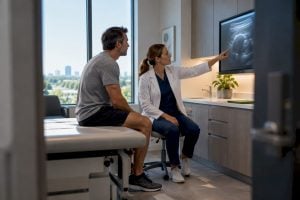
- Both therapies are typically administered via ultrasound-guided injection for accuracy
- Common target injuries include rotator cuff tears, patellar tendinopathy, ACL sprains, and cartilage defects
- Tendons and cartilage respond particularly well because of their naturally low blood supply
Pro Tip: Ask your provider whether the injection will be ultrasound-guided. Blind injections into tendons or joints carry a higher risk of missing the target tissue entirely, which reduces efficacy and increases the chance of a poor outcome.
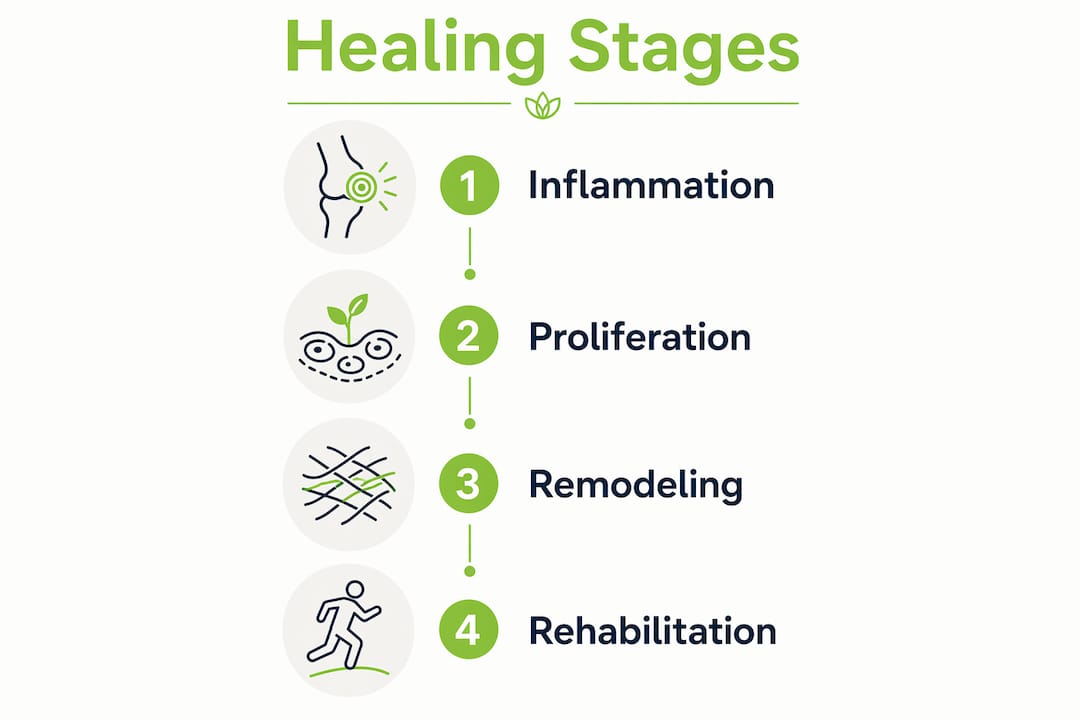
How regenerative therapies support healing and performance in athletes
The healing process after a musculoskeletal injury involves a predictable sequence: inflammation, proliferation, and remodeling. Regenerative therapies are designed to optimize each phase rather than simply suppress the first one. PRP, for example, delivers a concentrated payload of growth factors including platelet-derived growth factor (PDGF) and transforming growth factor-beta (TGF-β), which accelerate the transition from inflammation to active tissue repair.
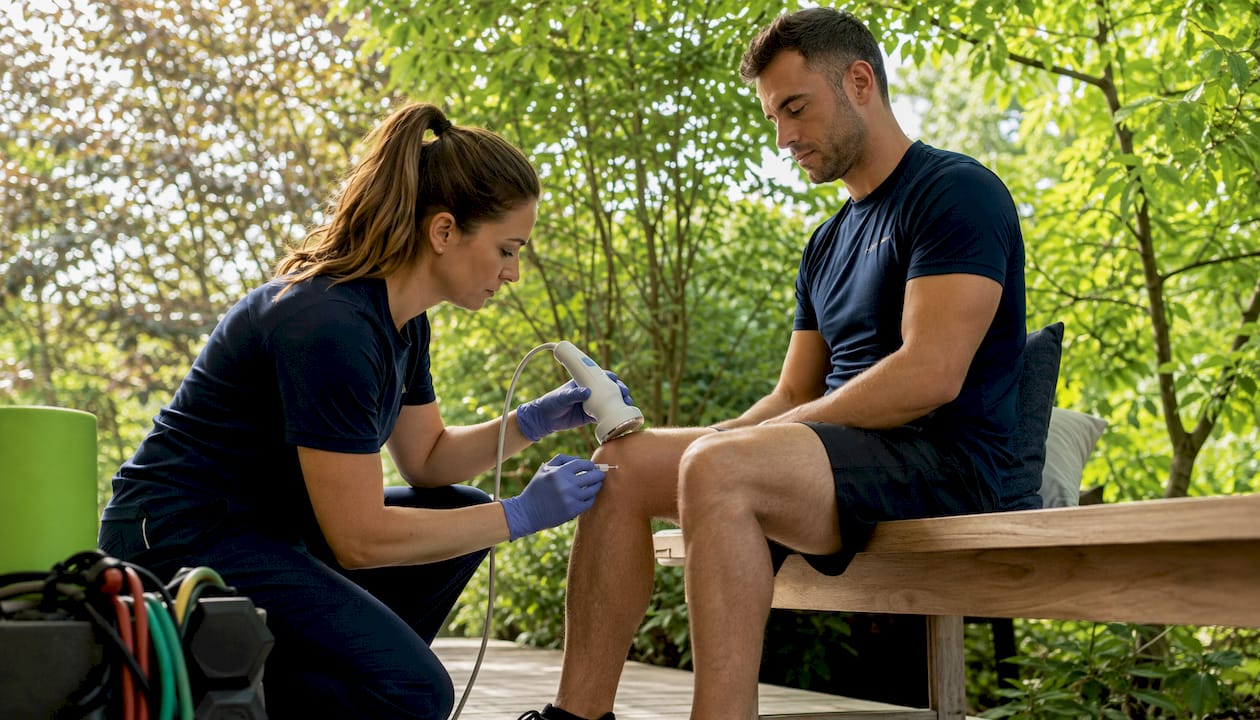
Stem cell therapy helps regulate inflammation, promote tissue repair, and accelerate healing from joint, tendon, and ligament injuries. The cells do not simply replace damaged tissue. They release signaling molecules that recruit the body’s own repair cells, modulate the local immune environment, and create conditions favorable for regeneration. This paracrine effect, where transplanted cells communicate with surrounding tissue rather than directly replacing it, is now understood to be a primary mechanism of benefit.
Mechanisms by which regenerative treatments support recovery:
- Growth factor release stimulates collagen synthesis and new blood vessel formation
- Anti-inflammatory signaling reduces chronic inflammation that stalls healing
- Cell differentiation potential allows stem cells to contribute directly to tissue rebuilding
- Extracellular vesicles (exosomes) carry repair signals between cells, extending the therapeutic effect
| Treatment phase | Regenerative therapy role | Typical timeline |
|---|---|---|
| Acute inflammation (first week) | Modulates inflammatory cytokines, reduces swelling | Injection often given at this stage |
| Proliferation (weeks 2–6) | Growth factors stimulate collagen and new tissue formation | Peak biological activity |
| Remodeling (weeks 6 and beyond) | Supports maturation of repair tissue, improves tensile strength | Rehabilitation intensifies |
| Return to sport | Tissue quality assessed; loading progressed | Varies by injury and sport |
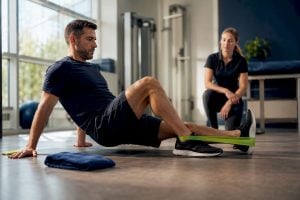
Regenerative treatments work best when paired with structured physical therapy. Financial pressure to return quickly to competition can push athletes toward biologics alone, but combining regenerative medicine with mechanical loading and neuromuscular retraining produces more durable outcomes than either approach in isolation.
Professional athletes who have used regenerative medicine
High-profile cases have done more to popularize regenerative therapies in sports than any clinical publication. When elite athletes openly discuss using these treatments, it signals to the broader athletic community that the options are worth exploring.
-
Kobe Bryant received autologous conditioned serum injections in Germany in 2011, a form of blood-derived therapy similar in principle to PRP. His return to professional basketball after that treatment became one of the earliest widely reported cases of a top-tier athlete using regenerative medicine outside of surgery.
-
Tiger Woods underwent PRP therapy as part of his recovery from knee surgery, and later received stem cell treatment for back and knee injuries. His ability to return to competitive golf after multiple serious procedures made him one of the most cited examples in discussions of regenerative medicine success stories.
-
Peyton Manning reportedly received stem cell therapy in Europe during his recovery from cervical spine surgery. The treatment attracted significant attention and raised questions about access disparities, since certain procedures available abroad were not yet FDA-cleared in the United States at the time.
-
Rafael Nadal used PRP injections for a chronic knee condition that had repeatedly interrupted his career. His continued performance at the highest level of professional tennis kept the conversation about soft tissue injury treatment options active in sports medicine circles.
-
Hines Ward and other NFL players have publicly discussed PRP use for ligament and tendon injuries, reflecting the broader adoption of these therapies across contact sports where soft tissue damage is routine.
“The use of stem cells in regenerative sport medicine is a rapidly growing arena with vast potential. Key to conclusions being drawn is an understanding of need, a definition of success, and large-scale, double-blinded, multi-center clinical trials.” — PMC, Stem Cells and Regenerative Medicine in Sport Science
The pattern across these cases is consistent: athletes with injuries that would otherwise require surgery or extended rest pursued biologics as a way to preserve tissue integrity and shorten downtime. Outcomes varied, and none of these cases constitutes clinical proof of efficacy, but they reflect genuine demand from athletes who have exhausted conventional options.
Legal, regulatory, and safety considerations for athletes
Navigating the regulatory environment around regenerative medicine requires care. The FDA does not approve most stem cell therapies for routine clinical use. The Same Surgical Procedure (SSP) exemption allows a physician to harvest tissue, minimally manipulate it, and re-implant it during a single procedure without FDA approval. The moment that tissue undergoes enzymatic digestion, cell culture, or significant processing, the exemption no longer applies, and FDA authorization is required. Many clinics advertising “stem cell therapy” operate in a gray area here.
For competitive athletes, doping regulations add another layer of complexity. The World Anti-Doping Agency (WADA) prohibits certain methods of blood manipulation, and athletes subject to testing should verify that any proposed treatment does not conflict with their sport’s governing body rules before proceeding.
Key safety and regulatory points:
- PRP is generally considered permissible under WADA rules when administered by injection, though intravenous use has faced restrictions
- Stem cell therapies involving significant cell manipulation require FDA approval, which most commercial clinics do not hold
- Adverse effects can include infection at the injection site, temporary pain flare, and, in rare cases, tumor formation with improperly screened cells
- The AMSSM position statement guides clinicians on evidence and regulatory considerations for orthobiologics, warning against misleading “miracle cure” claims
- Clinics operating outside the United States may not be subject to FDA oversight, which increases risk for athletes who travel abroad for treatment
Pro Tip: Before committing to any regenerative treatment, ask the clinic directly: “Is this procedure part of an FDA-authorized clinical trial, or does it qualify under the SSP exemption?” A provider who cannot answer that question clearly is a provider worth avoiding.
What the evidence actually shows about regenerative medicine for athletes
The clinical evidence for regenerative therapies is promising in specific indications but uneven across the board. Meta-analyses show indication-specific benefits for PRP and stem cell treatments, yet they also consistently highlight heterogeneous protocols and inconsistent results. Two studies on PRP for patellar tendinopathy may use entirely different platelet concentrations, leukocyte content, injection volumes, and rehabilitation protocols, making direct comparison nearly impossible.
The American Medical Society for Sports Medicine (AMSSM) emphasizes responsible, indication-specific use and warns against overstating what current evidence supports. That position reflects a genuine tension in the field: biological plausibility is strong, early clinical results are encouraging in some areas, but large-scale, double-blinded, multi-center trials remain scarce.
Current evidence limitations:
- Most published studies involve small sample sizes and short follow-up periods
- Placebo effects in injection-based treatments are well-documented and difficult to control for
- Stem cell therapy for cartilage repair shows more consistent early results than for tendon injuries
- PRP protocols vary so widely that pooling data across studies is methodologically problematic
- Long-term safety data for repeated stem cell injections in athletes is still limited
Statistic callout: Tendon injuries are the most common target for regenerative therapies, making them the primary focus of regenerative research. Large-scale confirmatory trials for tendon-specific PRP protocols remain incomplete.
Emerging technologies may eventually close some of these gaps. Extracellular vesicles (exosomes) derived from stem cells show early potential for musculoskeletal repair, with research suggesting improvements in bone mineral density and muscle regeneration in preclinical models. Whether those findings translate to clinical outcomes in athletes is a question the field has not yet answered.
How Nortexspineandjoint approaches regenerative medicine for athletes
At Nortexspineandjoint, the starting point for any athlete considering regenerative therapy is a thorough clinical assessment. Many patients arrive after trying multiple treatments, including corticosteroid injections, physical therapy, and anti-inflammatory medications, without achieving lasting relief. The goal is not to replace those approaches but to understand why they fell short and whether a biologic intervention addresses the underlying tissue pathology.
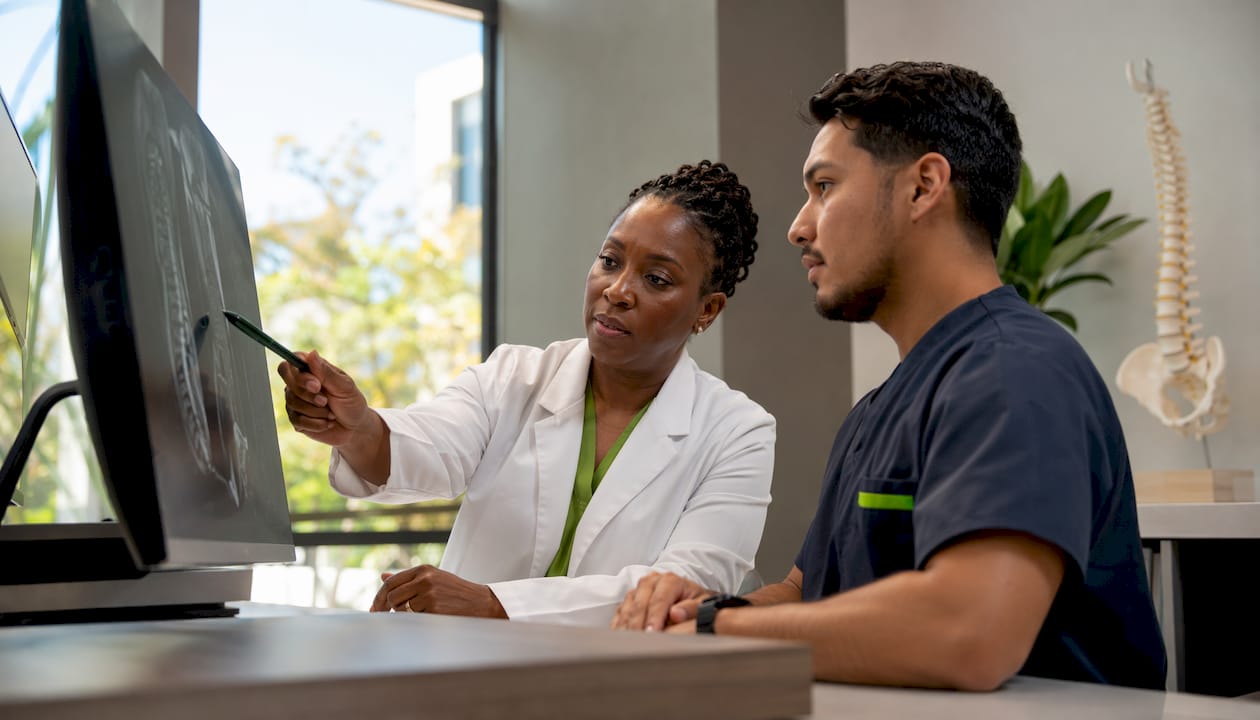
PRP and stem cell therapy are offered as part of personalized treatment plans, not as standalone procedures. The clinical team evaluates the specific injury, the athlete’s training demands, their timeline for return to sport, and the quality of existing tissue before recommending a protocol. A rotator cuff tear in a 28-year-old competitive swimmer requires a different approach than the same diagnosis in a 45-year-old recreational athlete.
What a responsible regenerative medicine evaluation includes:
- Imaging review (MRI or diagnostic ultrasound) to confirm the injury and assess tissue quality
- Discussion of realistic timelines: PRP for tendinopathy typically requires 6–12 weeks before meaningful improvement is measurable
- Integration of regenerative treatment with a structured rehabilitation program
- Clear explanation of what the therapy can and cannot achieve for the specific diagnosis
- Follow-up assessments to monitor tissue response and adjust the plan
Pro Tip: If a provider quotes you a recovery timeline without first reviewing your imaging and understanding your sport-specific demands, treat that timeline with skepticism. Healing rates vary significantly based on tissue type, injury severity, and how well rehabilitation is structured alongside the biologic treatment.
The AMSSM’s guidance that hype must be tempered by evidence-based application is something Nortexspineandjoint takes seriously in clinical practice. Regenerative therapies are genuinely useful tools for the right patient with the right injury. They are not a universal solution, and presenting them as one does athletes a disservice. You can explore regenerative medicine options and what a personalized evaluation looks like at Nortexspineandjoint, or review PRP therapy specifically if tendon or joint pain is your primary concern.
Key Takeaways
Regenerative medicine helps athletes heal faster by delivering biological signals directly to damaged tissue, but outcomes depend heavily on injury type, protocol quality, and integration with rehabilitation.
| Point | Details |
|---|---|
| PRP and stem cells target tissue repair | Both therapies work by stimulating the body’s own healing processes at the cellular level, not by masking pain. |
| Tendon injuries are the most common target | Tendon injuries are the primary focus of regenerative research, as they constitute the most frequent soft tissue injuries among athletes. |
| FDA oversight is limited for most stem cell treatments | The SSP exemption applies only to minimally manipulated tissue re-implanted in one procedure; most commercial stem cell therapies fall outside this. |
| Evidence is promising but uneven | Meta-analyses show indication-specific benefits, yet heterogeneous protocols make cross-study comparisons difficult. |
| Rehabilitation must accompany biologics | Combining regenerative treatment with progressive loading and neuromuscular retraining produces more durable outcomes than biologics alone. |
FAQ
Did Tiger Woods receive stem cell treatment?
Yes. Tiger Woods has publicly discussed undergoing both PRP therapy and stem cell treatment as part of his recovery from knee and back injuries over the course of his career.
Did Peyton Manning have stem cell therapy?
Peyton Manning reportedly received stem cell therapy in Europe during his recovery from cervical spine surgery. The procedures he accessed abroad were not FDA-cleared in the United States at the time, which drew attention to regulatory differences between countries.
Why is regenerative medicine controversial?
Regenerative medicine is controversial primarily because many clinics market treatments that lack FDA authorization and overstate the clinical evidence. The AMSSM warns that misleading “miracle cure” claims undermine public trust and can expose athletes to unnecessary risk, particularly when treatments involve significantly manipulated cells that legally require FDA approval.
What sports injuries respond best to regenerative therapies?
Tendon injuries, ligament sprains, and early-stage cartilage degeneration tend to show the most consistent response to PRP and stem cell therapies. Acute muscle tears and bone stress injuries are also being studied, though the evidence base for those indications is less developed.
How long does recovery take with regenerative medicine?
Recovery timelines vary by injury and therapy type. PRP for tendinopathy typically requires 6–12 weeks before measurable improvement, while stem cell treatments for cartilage or joint conditions may take 3–6 months for full tissue remodeling to occur.
Recommended
- Unlocking the Power of PRP Therapy in Elite Sports: How It’s Changing the Game – Nortex | Pain Management | Allen, Garland, McKinney & Plano Texas
- How PRP Injections Can Speed Up Your Injury Recovery – Nortex | Pain Management | Allen, Garland, McKinney & Plano Texas
- Regenerative Injections: Options, Results, and What to Ask
- What Is Joint Regeneration? A 2026 Patient Guide