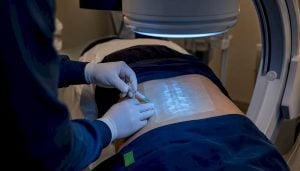

When patients come to see me after post-surgery recovery, they are often dealing with a mix of relief and uncertainty. The procedure is behind them, but the recovery process can feel unclear. Pain, stiffness, and limited mobility are common concerns. Many are searching for answers about Post-Surgery Recovery and what they can realistically expect moving forward. In my experience, a structured plan that includes physical therapy plays a central role in helping patients regain function and move with more confidence.
Understanding Post-Surgery Recovery in Real Terms
Post-surgical healing is not just about the incision closing or the bone healing. It involves restoring movement, rebuilding strength, and retraining the body to function properly. I often remind patients that post-surgery recovery addresses a specific issue, but recovery is where long-term outcomes are shaped.
Every patient’s recovery looks different. Factors such as age, overall health, the type of surgery, and pre-existing conditions all influence the process. Some individuals progress more quickly, while others require additional time and guidance.
No One-Size-Fits-All Treatment Approach
In clinical practice, I rarely see two recovery plans that are exactly the same. While physical therapy is a cornerstone, it is only one part of a broader, individualized strategy.
Depending on the situation, treatment may include:
- Structured physical therapy programs
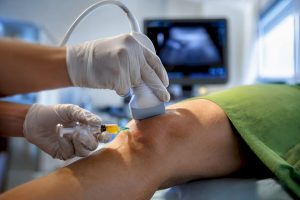
- Interventional procedures, such as targeted injections when appropriate
- Medication management for short-term symptom control
- Movement and lifestyle adjustments to support healing
For some patients, combining these approaches leads to better outcomes than relying on any single method. If a patient is exploring additional options, I may guide them toward complementary treatment approaches that align with their condition and recovery goals.
What Actually Drives Results in Post-Surgery Recovery
Over time, I have found that successful Post-Surgery Recovery depends less on any single intervention and more on how consistently the overall plan is followed.
A few key factors tend to make the biggest difference:
Consistency With Therapy
Patients who attend sessions regularly and follow their home exercise programs tend to recover more steadily. Interruptions in therapy often slow progress.
Proper Diagnosis and Monitoring
Recovery is not always linear. I monitor patients closely to identify setbacks early and adjust their plan as needed.
Structured Rehabilitation
Physical therapy is not just about movement—it is about progression. We begin with basic mobility and gradually build strength, coordination, and endurance.
Patient Accountability
Patients who take an active role in their recovery often experience better functional improvement. This includes staying engaged, asking questions, and communicating any changes.
Addressing Root Causes
In many cases, surgery corrects a structural issue, but underlying movement patterns or weaknesses still need to be addressed. Ignoring these can increase the risk of recurring problems.
How Physical Therapy Supports Healing
Physical therapy plays a practical and measurable role in recovery. It helps guide the body through each phase of healing without placing unnecessary stress on the surgical site. In many cases, I recommend incorporating a structured physical therapy program early in the recovery process when appropriate.
In my experience, therapy helps patients:
- Restore joint mobility safely
- Improve muscle strength and stability
- Reduce stiffness and inflammation
- Rebuild coordination and balance
- Gradually return to daily activities
This process is not rushed. Progress is deliberate and based on how the body responds over time.
What Improvement Looks Like
Patients often expect dramatic changes early on, but meaningful recovery is usually gradual. I encourage patients to focus on steady, measurable improvements.
These may include:
- Moving with less discomfort
- Reduced frequency of flare-ups
- Improved ability to perform daily activities
- Better sleep due to decreased pain
- Increased confidence in movement
These changes may seem subtle at first, but they are important indicators that recovery is progressing.
Long-Term Management and Prevention
One of the most important aspects of Post-Surgery Recovery occurs after the initial healing phase. Maintaining progress requires ongoing effort and awareness.
I often advise patients to:
- Continue strength and stability exercises
- Stay active within safe limits
- Pay attention to body mechanics and posture
- Address minor symptoms early before they progress
For some individuals, periodic follow-ups or continued therapy sessions may be beneficial. The goal is not just recovery, but maintaining function and reducing the risk of future issues.
A Practical Perspective on Recovery
In my experience treating patients after surgery, those who approach recovery with patience and consistency tend to see more reliable progress over time. Physical therapy is not a quick solution, but it remains a core component of an evidence-based, comprehensive recovery plan.
If you are navigating Post-Surgery Recovery and need guidance tailored to your situation, you can explore your options or schedule a visit at the Allen location. A structured, personalized approach can make a meaningful difference in how you recover and return to daily life.