
Most people assume pain management means walking out of a clinic with a prescription that makes the pain stop. That’s understandable, but it’s also incomplete. What is pain management in a modern clinical context? It’s a structured, often multidisciplinary approach focused on restoring physical function and quality of life, not simply reducing a number on a 0-to-10 pain scale. If you’re living with chronic joint pain, spine conditions, or persistent musculoskeletal discomfort, this guide breaks down what pain management actually involves, what your options are, and how to get the most from the process.
Table of Contents
- Key takeaways
- What pain management really means
- Non-surgical methods for managing pain
- Interventional procedures and when they apply
- Preparing for your first pain management visit
- My perspective on pain management
- Explore personalized pain management at Nortexspineandjoint
- FAQ
Key takeaways
| Point | Details |
|---|---|
| Function over pain scores | Modern pain management prioritizes measurable improvements in mobility and daily activity, not just pain reduction. |
| Multidisciplinary care matters | Effective treatment combines physical therapy, medical intervention, and psychological support tailored to the individual. |
| Non-surgical options are first line | Physical therapy, mindfulness, topical treatments, and pacing strategies often deliver significant relief without surgery. |
| Documentation drives access | Keeping detailed records of symptoms and prior treatments directly improves insurance approvals for advanced procedures. |
| Patient preparation is critical | Bringing imaging, medication lists, and a clear pain timeline to your first visit leads to faster, more accurate diagnosis. |
What pain management really means
Pain management is a clinical specialty focused on evaluating, diagnosing, and treating pain conditions in a structured, individualized way. The goal is not always the complete elimination of pain. For many patients living with chronic conditions, that is not a realistic outcome. Instead, the focus shifts to what specialists call functional improvement: your ability to sit through a work meeting, walk a comfortable distance, sleep without waking at 2 a.m., or return to activities you have avoided for months.
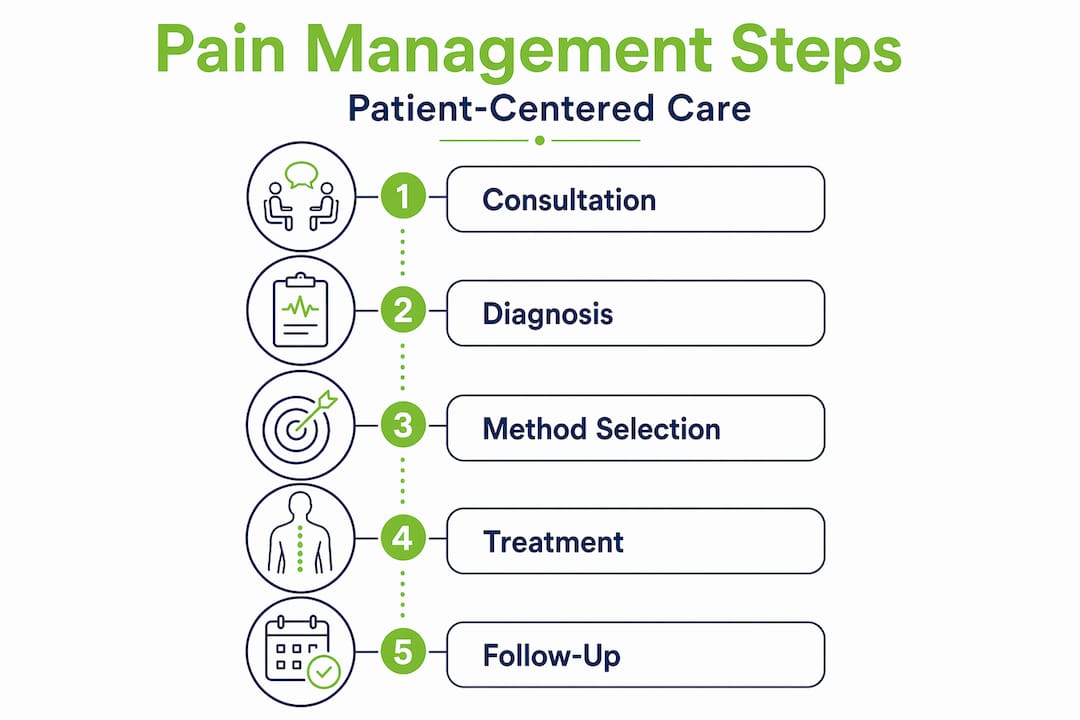
The initial consultation is where this process begins in earnest. A pain specialist will conduct a thorough pain history, covering when your symptoms started, what aggravates and relieves them, which treatments you have already tried, and how pain affects your day-to-day function. This is followed by a physical examination assessing range of motion, strength, nerve function, and joint stability. Any existing imaging such as X-rays or MRI scans will be reviewed to correlate findings with your reported symptoms.
One detail many patients miss: the quality of your documentation at this stage matters clinically and administratively. Structured documentation including detailed records of prior treatments achieves over 90% insurance approval rates for recommended interventions. Arriving prepared is not just helpful for your clinician. It can directly affect what treatments you are authorized to receive.
The multidisciplinary model is worth understanding. Depending on your condition and goals, your care team may include a pain physician, a physical therapist, a psychologist or behavioral health specialist, and in some cases an interventional radiologist. Each role is distinct. The physician diagnoses and prescribes. The physical therapist rebuilds movement patterns and strength. The mental health professional addresses the psychological burden that chronic pain reliably creates. None of these roles is optional in a well-designed care plan.
Pro Tip: Ask your specialist at the first visit to define a specific functional goal for your treatment, such as returning to a two-mile walk or sitting for 45 minutes without discomfort. Measurable targets make progress visible and keep the care team accountable.
- Bring all prior imaging (MRI, CT, X-ray) and a list of medications including dosages.
- Prepare a written pain timeline noting when symptoms started and how they have changed.
- Document all previous treatments: physical therapy, injections, medications, and their outcomes.
- Describe how pain limits your function specifically, not just its intensity.
- Note any patterns: what time of day pain is worst, what positions or movements trigger it.
Non-surgical methods for managing pain
Understanding what are pain management methods means recognizing that surgery is not the starting point. For the majority of patients, non-pharmacological therapies are not just alternatives but foundational components of chronic pain care.
Physical therapy occupies a central role. A graded exercise program, designed by a licensed physical therapist, rebuilds the movement capacity that chronic pain tends to erode. Many patients are surprised to learn that gentle, progressive movement often reduces pain rather than worsens it. Pain is a protective signal, and reducing fear of movement is one of the most effective ways to break the cycle of stiffness and deconditioning that deepens over time.
On the medication side, the conversation has shifted significantly. Non-opioid options now represent the standard first-line approach for most chronic conditions. These include:
- Topical agents such as diclofenac gel and lidocaine patches, which deliver pain relief directly at the site without systemic side effects.
- NSAIDs (non-steroidal anti-inflammatory drugs) for inflammatory pain, used short-term due to GI and cardiovascular considerations.
- Membrane stabilizers like gabapentin or pregabalin for neuropathic pain conditions.
- Muscle relaxants for short-term relief of spasm-related pain.
- SNRIs (serotonin-norepinephrine reuptake inhibitors) such as duloxetine, which have demonstrated efficacy in musculoskeletal and neuropathic pain.
If you want a deeper look at non-opioid pain relief options in clinical practice, that resource covers the evidence for each approach in detail.
Psychological and behavioral therapies belong in this conversation. Mindfulness and cognitive behavioral therapy (CBT) help manage pain perception and reduce its impact on mental health and daily function. Chronic pain reliably produces anxiety, depression, and sleep disruption. Treating those secondary effects is not separate from pain management. It is part of it.
Lifestyle factors, including sleep quality, nutrition, and stress regulation, directly modulate the nervous system’s sensitivity to pain. Poor sleep increases inflammatory markers. Chronic stress amplifies pain signals. Addressing these factors through structured routines is not soft medicine. It is evidence-based practice.
Pro Tip: Apply cold therapy for acute flare-ups and fresh injuries to reduce swelling. Switch to heat for chronic stiffness and muscle tightness. Using the wrong modality at the wrong time can make symptoms worse rather than better.
Pacing deserves particular attention. Many patients with chronic pain fall into a boom-and-bust cycle: they push through activity on good days, trigger a flare, then rest for several days, and repeat. This cycle prevents any consistent functional progress. True pacing means calibrating activity levels to stay below your symptom threshold consistently, then gradually raising that threshold over time. It is a skill that takes practice, and most patients benefit from guided coaching rather than attempting it alone.
Interventional procedures and when they apply
Interventional pain procedures represent a step up in the treatment hierarchy, not a replacement for conservative care. They are typically considered when non-surgical methods have been pursued consistently and documented, yet pain continues to limit function in measurable ways.
Common interventional options include the following:
| Procedure | Target condition | Mechanism |
|---|---|---|
| Image-guided joint injections | Arthritis, bursitis, synovitis | Anti-inflammatory medication delivered precisely to the affected joint |
| Epidural steroid injections | Disc herniation, spinal stenosis | Reduces nerve root inflammation to improve function and mobility |
| Facet joint injections | Axial back and neck pain | Diagnoses and treats pain originating from facet joints |
| Radiofrequency ablation (RFA) | Chronic facet or sacroiliac pain | Interrupts pain signals via controlled thermal energy to specific nerves |
| Spinal cord stimulation (SCS) | Refractory neuropathic pain | Modulates spinal cord pain signals using implanted electrical leads |
| PRP (platelet-rich plasma) therapy | Joint degeneration, tendinopathy | Concentrated growth factors promote tissue repair and reduce inflammation |
These procedures function as part of a stepwise treatment model. The goal in most cases is not permanent cure but sufficient pain reduction to allow meaningful participation in physical therapy and daily activity. A 40% reduction in pain may sound modest, but if it means you can complete a rehabilitation program that restores your knee function, that is a clinically significant outcome.
Insurance prior authorization for these procedures has become more complex in 2026. Prior auth denials in pain management are rising, largely because documentation of conservative treatment failure is either incomplete or poorly structured. Your clinical record needs to show clearly that you pursued physical therapy, tried appropriate medications, and still have functional limitations. That paper trail is what converts a denial into an approval.
Preparing for your first pain management visit
Many patients arrive at their first appointment expecting an immediate fix. The initial visit is diagnostic in nature, focused on building a complete clinical picture before any treatment decisions are made. Understanding this going in reduces frustration and improves the quality of information you provide.
Here is how to prepare effectively:
- Compile your imaging records. Bring physical discs or digital copies of all relevant MRI, CT, or X-ray studies, along with radiology reports if available.
- Write a medication list. Include everything you take, prescription and over-the-counter, with dosages and frequency.
- Create a treatment timeline. List every prior treatment in chronological order: which clinician, what was tried, how long it lasted, and what happened.
- Describe functional limitations specifically. “My back hurts” is less useful than “I cannot sit for more than 15 minutes before my right leg goes numb.”
- Set realistic expectations for the visit. You may leave with a referral, an order for additional imaging, or a prescription, but a full treatment plan typically follows a second appointment once all data is reviewed.
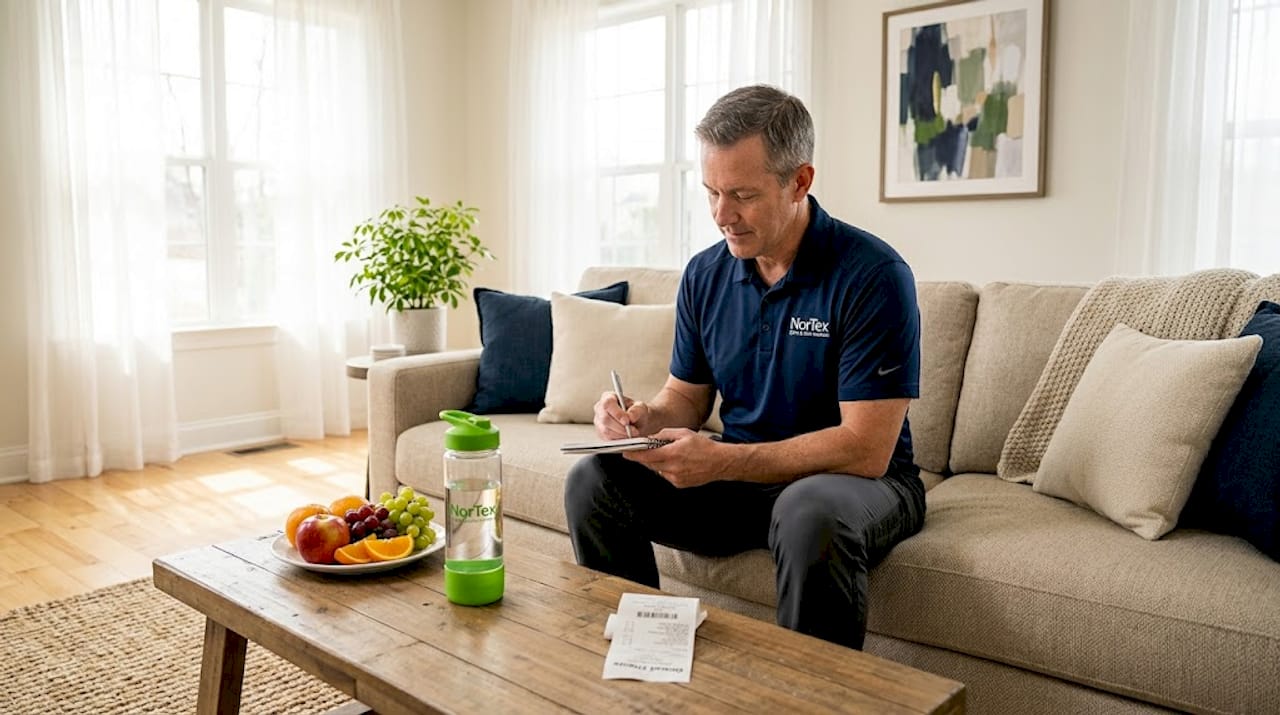
Maintaining ongoing documentation between visits also supports your care. A simple pain diary noting daily activity, sleep quality, and symptom patterns gives your provider objective data to work with, and it becomes part of the structured record that supports future insurance authorizations. For preparing for a back pain consultation specifically, the process follows the same logic with a spine-focused history.
My perspective on pain management
I have worked with a wide range of patients who arrive frustrated after years of partial solutions. What I have found, consistently, is that the patients who make the most meaningful progress are the ones who shift their goal from “make it stop” to “help me function better.”
That reframe is harder than it sounds. Pain demands attention. It makes the idea of gradual progress feel inadequate. But in my clinical experience, patients who fixate exclusively on pain elimination often make less sustained progress than those who set functional targets and track them. When you can measure that your walking tolerance went from five minutes to twenty, or that you slept through the night three times this week instead of zero, you have real evidence of treatment efficacy, regardless of what the pain scale says.
Pacing is one of the most underused tools I see. Patients push on good days, crash on bad ones, and then attribute the crash to their condition rather than to the cycle itself. Breaking that pattern requires patience and usually some external guidance. It is not weakness to need a structured plan. It is the same approach an athlete uses to build capacity without injury.
The documentation challenge is real, and I want patients to understand it is not bureaucratic busywork. Well-documented conservative care history directly determines whether your insurance approves the next step in your care. Taking that seriously from the beginning saves significant time and avoids unnecessary delays when advanced treatment becomes appropriate.
— Felix
Explore personalized pain management at Nortexspineandjoint
If you are ready to move beyond symptom management and address the root cause of your pain, Nortexspineandjoint offers a full range of non-surgical and minimally invasive options in North Dallas. From PRP therapy for pain relief and regenerative medicine to interventional procedures and individualized rehabilitation programs, each treatment plan is built around your specific diagnosis and functional goals. The team at Nortexspineandjoint integrates advanced therapies with evidence-based conservative care, giving you options that go well beyond standard pain management. You can also explore the full range of available treatments to understand which approach fits your condition and lifestyle. A consultation is the first step toward a care plan designed for lasting improvement.
FAQ
What does a pain management specialist actually do?
A pain management specialist evaluates the source and impact of your pain through physical examination and diagnostic review, then develops a personalized treatment plan that may include medications, procedures, rehabilitation, or behavioral interventions. The primary goal is restoring function and quality of life, not simply reducing pain intensity.
How to manage pain without surgery?
Non-surgical pain relief options include physical therapy, graded exercise, non-opioid medications, topical treatments, mindfulness, cognitive behavioral therapy, pacing strategies, and minimally invasive procedures such as image-guided injections or PRP therapy. Most chronic pain conditions respond meaningfully to these approaches when applied consistently.
What are pain management methods used for chronic conditions?
Common pain management methods for chronic conditions include physical rehabilitation, non-opioid pharmacotherapy, psychological therapies such as CBT, lifestyle modifications addressing sleep and stress, and interventional procedures like radiofrequency ablation or spinal cord stimulation when conservative care has been insufficient.
How long does it take to see results from pain management?
Timelines vary by condition and treatment type, but most structured programs show measurable functional improvement within six to twelve weeks. Interventional procedures may produce faster initial relief, while rehabilitation-based improvements build more gradually over months.
Why is documentation important for pain management treatment?
Detailed records of symptoms, prior treatments, and functional limitations are required for insurance prior authorization of advanced procedures. Systematic documentation of conservative treatment history significantly improves approval rates and reduces delays in accessing appropriate care.